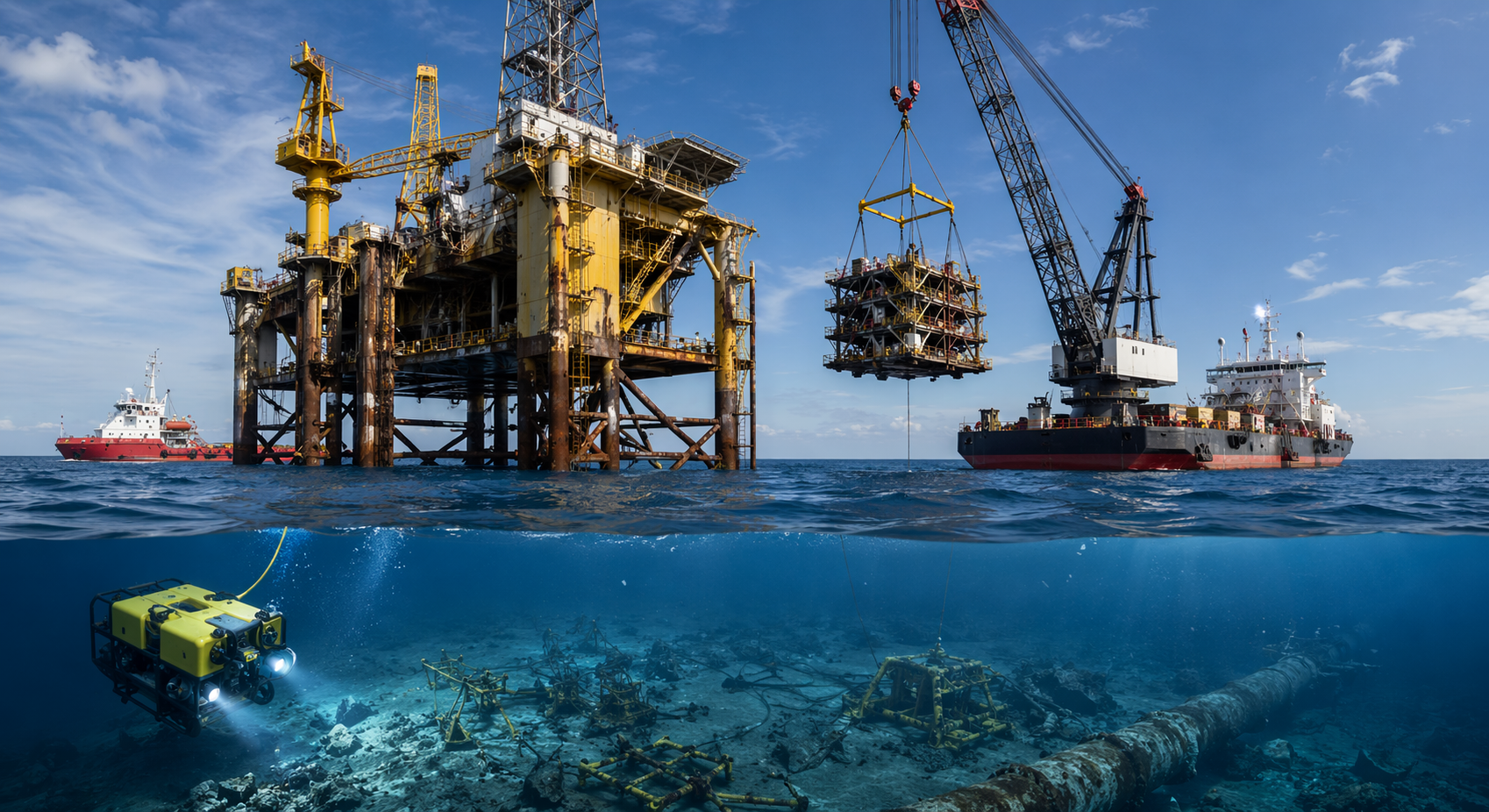
Offshore decommissioning has moved from an end-of-life obligation to a highly engineered and risk-sensitive discipline within offshore operations. As aging oil and gas infrastructure reaches the end of its productive lifecycle, operators are under increasing regulatory, environmental, and financial pressure to execute safe and efficient decommissioning programs.
Offshore decommissioning is the structured process of safely removing, dismantling, or repurposing offshore oil and gas infrastructure at the end of its operational life.
Unlike installation or brownfield upgrades, decommissioning introduces a unique set of uncertainties. Structural fatigue, unknown seabed conditions, legacy materials, and incomplete documentation all contribute to operational complexity. This makes early-stage planning, accurate subsea survey data, and reliable positioning critical to successful execution.
What Is Offshore Decommissioning?
Offshore decommissioning refers to the structured process of removing or repurposing offshore infrastructure such as platforms, pipelines, subsea systems, and wells. It includes:
- Plugging and abandonment (P&A) of wells
- Removal of topside facilities
- Jacket or subsea structure removal
- Flushing, cleaning, and decommissioning of pipelines
- Seabed clearance and verification
The objective is not only to remove assets but also to restore the seabed to an environmentally acceptable condition.
Scope of Offshore Decommissioning
Offshore decommissioning covers a wide range of assets and infrastructure, including:
- Fixed and floating offshore platforms
- Subsea production systems and manifolds
- Pipelines and umbilicals
- Wells and wellheads
- Mooring systems and cables
The scope of work varies depending on field maturity, regulatory requirements, and whether full or partial removal is permitted.
Key Phases of Offshore Decommissioning
1. Pre-Decommissioning Survey
Accurate baseline data is essential before any physical work begins. Operators rely heavily on high-resolution subsea survey techniques including:
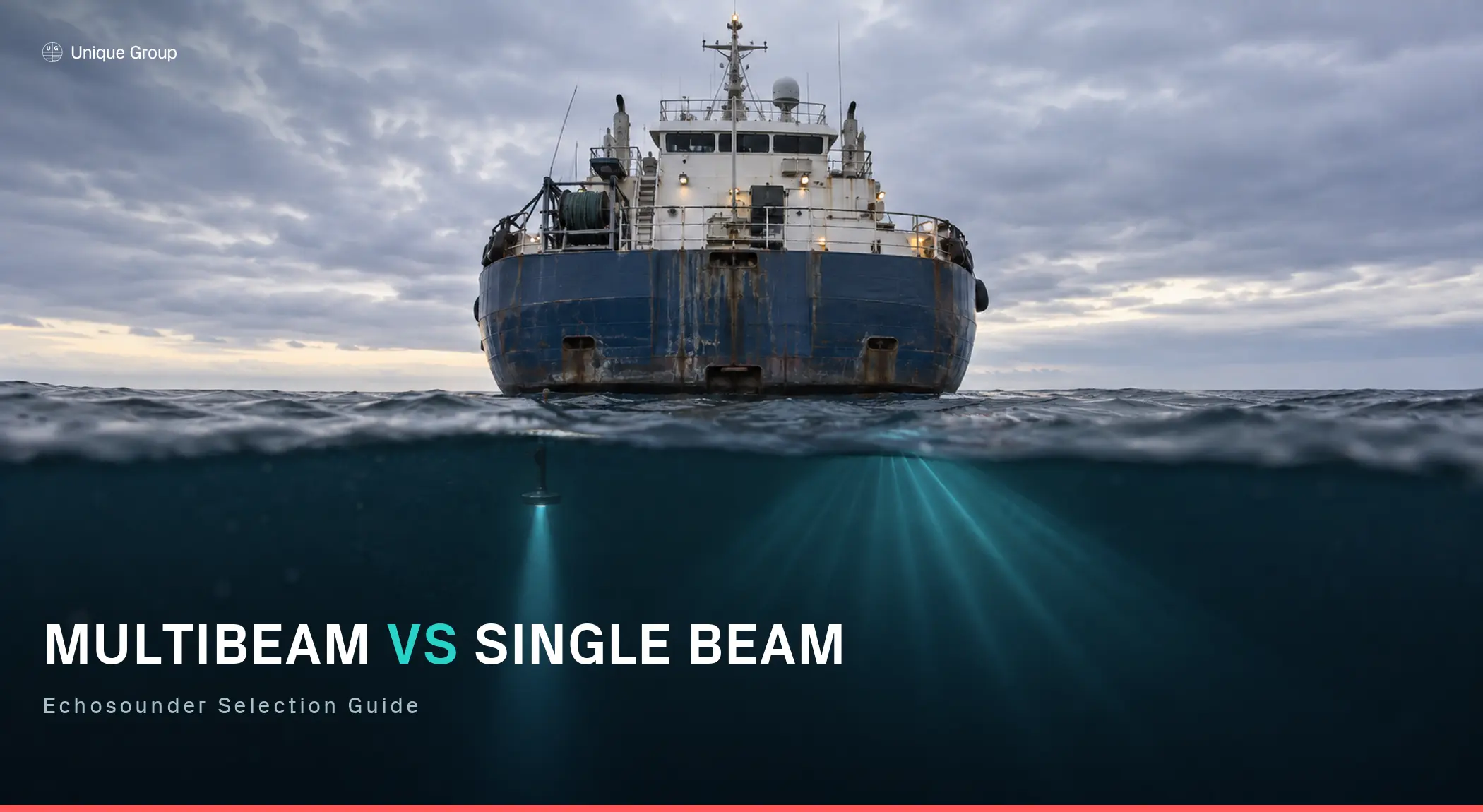
- Multibeam sonar for seabed mapping
- Side scan sonar for debris identification
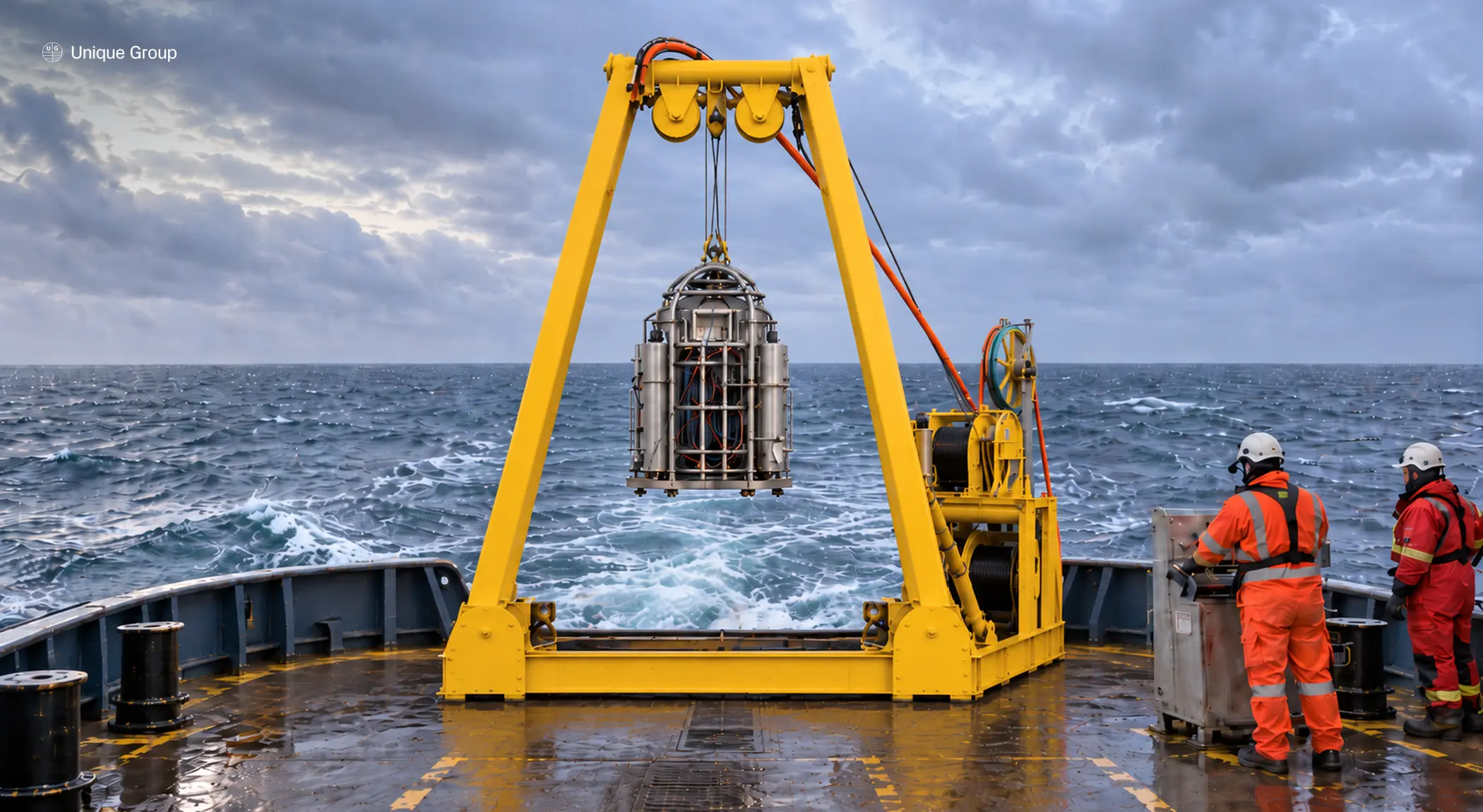
- ROV inspection for structural integrity
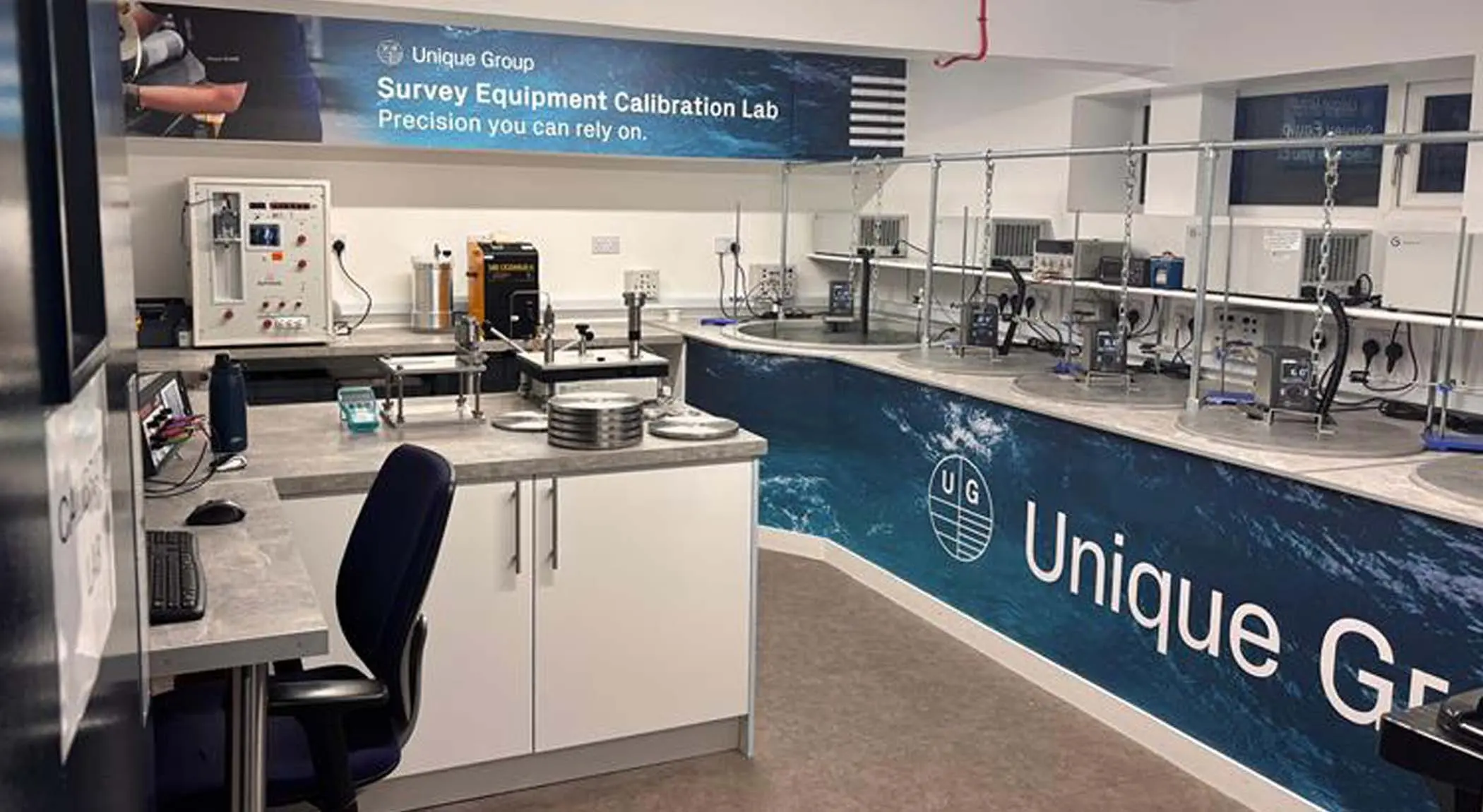
Access to advanced survey equipment ensures accurate planning and reduces execution risk.
Explore our range of survey equipment for offshore operations.
2. Engineering and Planning
This phase defines removal methodologies, lifting strategies, and environmental controls. Critical considerations include:
- Structural load calculations
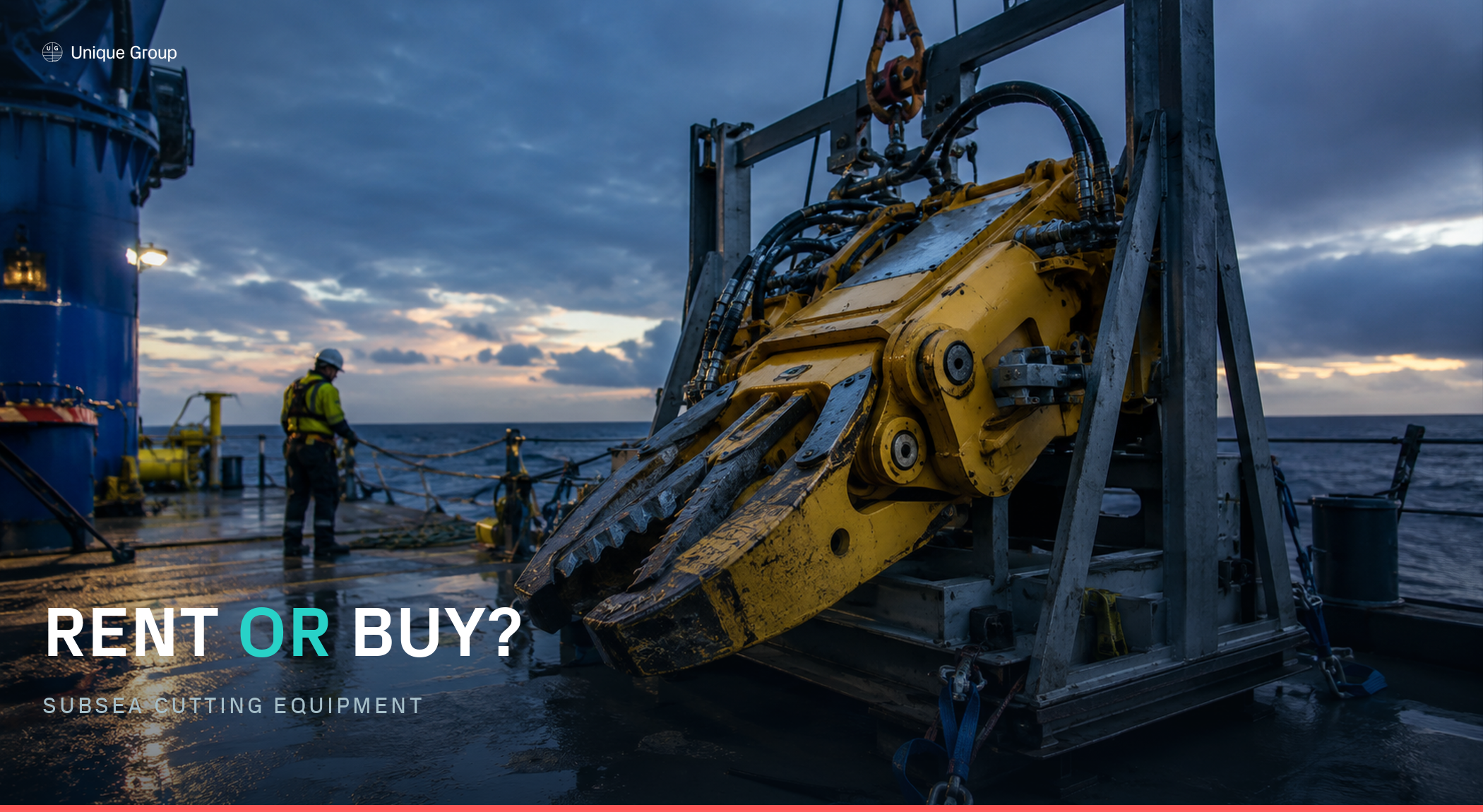
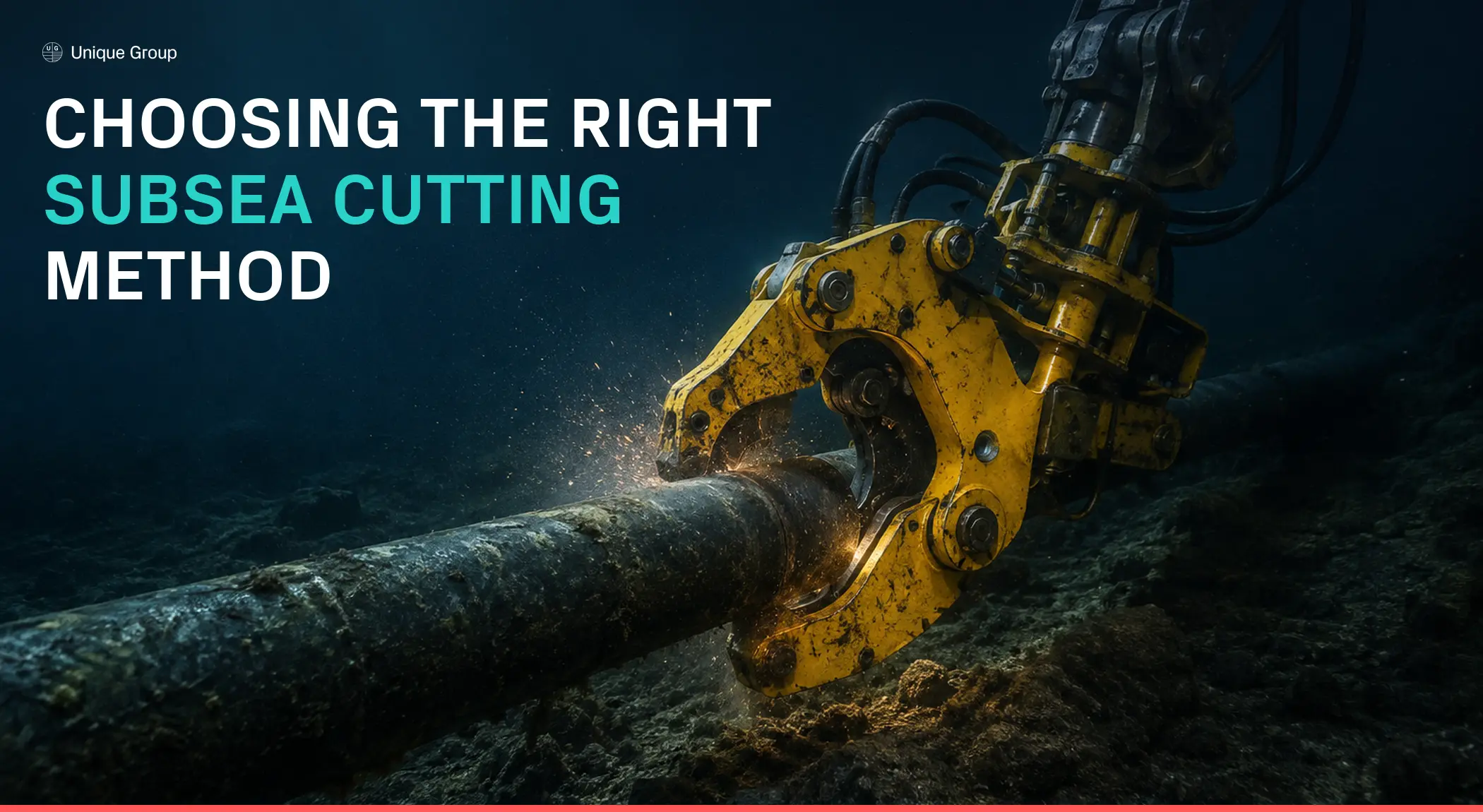
- Cutting methods such as abrasive water jet and diamond wire
- Vessel selection and lifting capacity
- Waste handling and disposal logistics (in compliance with OSPAR or MARPOL waste management guidelines)
3. Well Plugging and Abandonment
P&A is often the most technically sensitive stage. It involves:
- Placement of multiple cement plugs verified by pressure and integrity testing
- Pressure testing
- Verification of long-term well integrity
For a detailed breakdown of each stage, see our guide on offshore decommissioning steps from planning to seabed restoration.
Why Offshore Decommissioning Is Complex
Offshore decommissioning presents unique operational challenges compared to installation or maintenance activities. These include:
- Aging infrastructure with limited documentation
- Deepwater conditions and limited accessibility
- Uncertain seabed conditions and debris fields
- Weather constraints and vessel availability
These factors make accurate data, planning, and execution coordination critical to project success.
Role of Subsea Positioning in Decommissioning
Subsea positioning is critical during key decommissioning phases such as structure removal, seabed clearance, and post-removal verification.
Accurate positioning is fundamental throughout decommissioning operations. Whether deploying ROVs or conducting seabed clearance, reliable subsea positioning systems ensure precision and safety.
Operators use systems such as:
- USBL (Ultra-Short Baseline)
- LBL (Long Baseline)
- INS-based hybrid systems
Explore our subsea positioning systems.
ROV and Sonar Integration
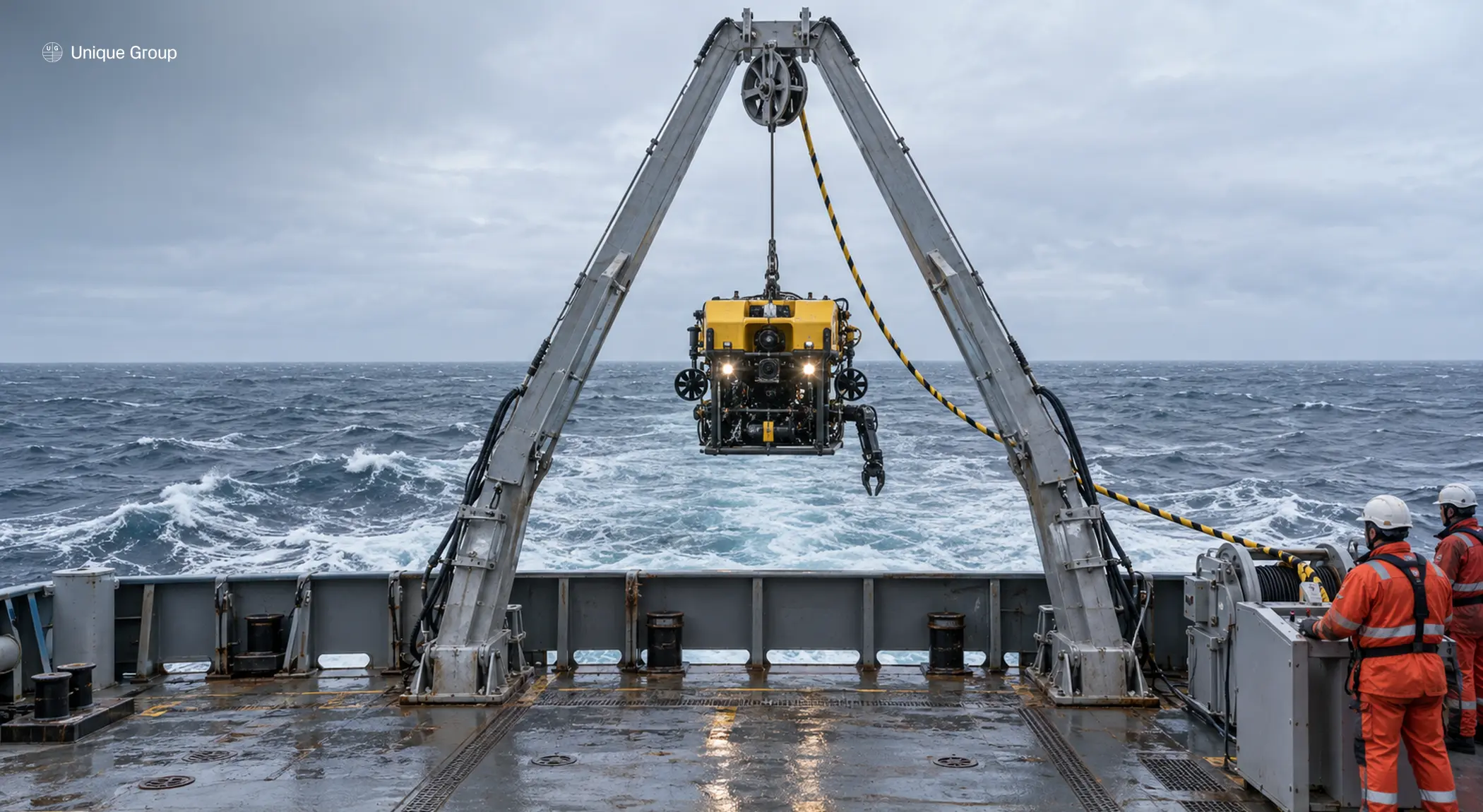
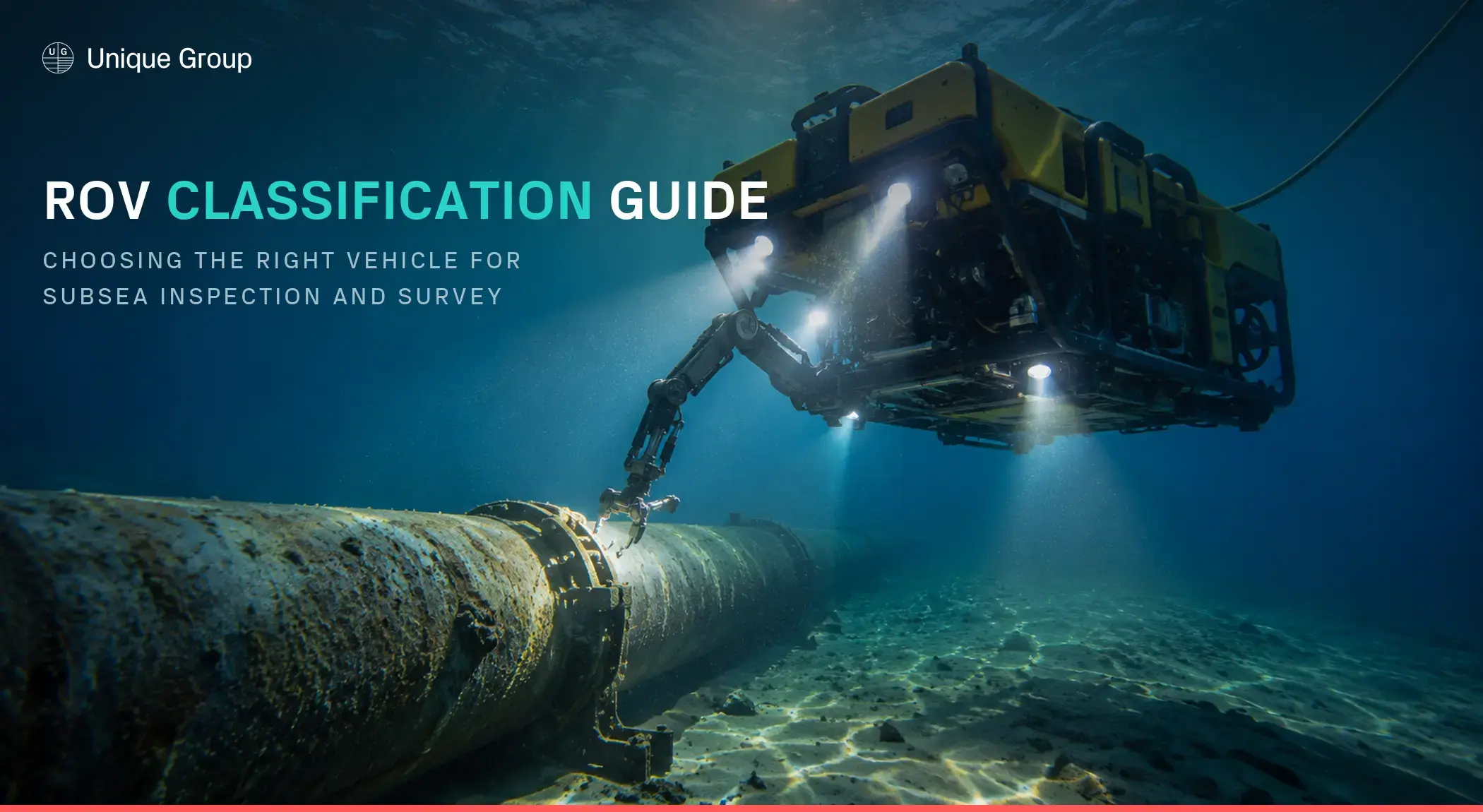
ROVs play a central role in decommissioning, particularly in:
- Structure inspection
- Cutting operations
- Debris removal
Combined with sonar systems, operators gain real-time visibility of subsea environments, enabling safer execution.
Learn more about sonar systems and ROV equipment through integrated offshore solutions: https://www.uniquegroup.com/products/
Environmental Considerations
Environmental compliance is a primary driver of decommissioning strategy. Operators must:
- Prevent hydrocarbon leakage
- Remove seabed obstructions
- Minimize ecological disturbance
Post-removal seabed surveys validate that the area is safe for future use. In many jurisdictions, this involves restoring the seabed to baseline environmental conditions as verified by post-decommissioning surveys, in alignment with regulator expectations such as those set by the UK North Sea authorities and NOPSEMA.
Cost Drivers in Offshore Decommissioning
Major cost factors include:
- Vessel day rates
- Engineering complexity
- Water depth
- Infrastructure size
- Waste disposal requirements
Early investment in accurate survey and positioning reduces cost overruns significantly.
Key Considerations in Offshore Decommissioning
Successful decommissioning requires balancing multiple technical and operational factors, including:
- Safety and risk management
- Regulatory compliance and approvals
- Environmental protection requirements
- Logistics, vessel availability, and scheduling
- Selection of appropriate survey and positioning technologies
Addressing these considerations early in the planning stage significantly improves project efficiency and reduces execution risks.
Conclusion
Offshore decommissioning is a multidisciplinary process requiring precise coordination between engineering, survey, and execution teams. The success of any project depends on data accuracy, positioning reliability, and the integration of subsea technologies.
By combining high-resolution survey, advanced positioning, and well-engineered removal strategies, operators can transform offshore decommissioning from a high-risk obligation into a predictable, data-controlled operation.
Explore Unique Group’s subsea positioning systems and offshore survey solutions to support your next decommissioning project.
Frequently Asked Questions
What is the typical cost of offshore decommissioning?
Costs vary widely depending on water depth, infrastructure size, and complexity. Projects can range from millions to billions of dollars.
How long does offshore decommissioning take?
Timelines can range from several months to multiple years depending on project scope.
What is the environmental impact of decommissioning?
When executed correctly, decommissioning minimizes long-term environmental risks by removing hazardous materials and restoring seabed conditions.
Why are subsea surveys important?
They provide accurate data for planning, reducing risks and preventing costly errors during execution.
Can infrastructure be partially removed?
Yes, some projects adopt partial removal strategies depending on regulatory approval and environmental considerations.