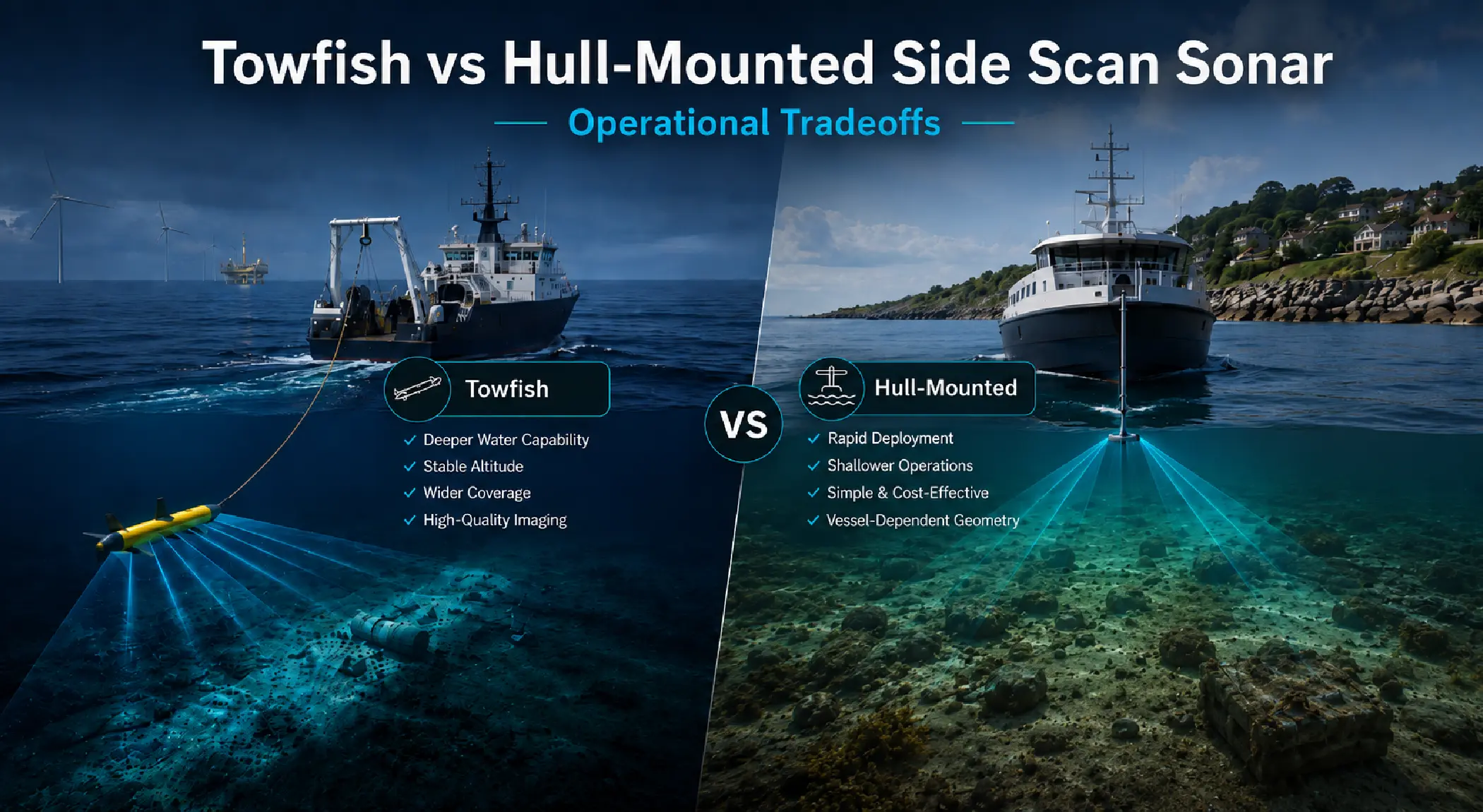
Choosing between towfish side scan sonar and hull-mounted configurations is one of the most practical decisions in offshore survey planning. Specs matter, but operations often decide success: stability, mobilization speed, maintenance access, line repeatability, and data consistency.
If you’re comparing operational fit across projects, it’s worth reviewing side scan sonar equipment options and typical configurations before you lock in an approach.
Towfish side scan sonar: why it’s common offshore
Towfish configurations are widely used because they can be placed:
- at a controlled altitude above the seabed
- away from vessel noise and turbulence
- in a stable imaging position relative to seabed features
Where towfish performs best
- deeper water or variable depth environments
- projects requiring consistent imagery and target detection
- corridor surveys where stability matters
- conditions where hull mounting is impractical
Operational considerations
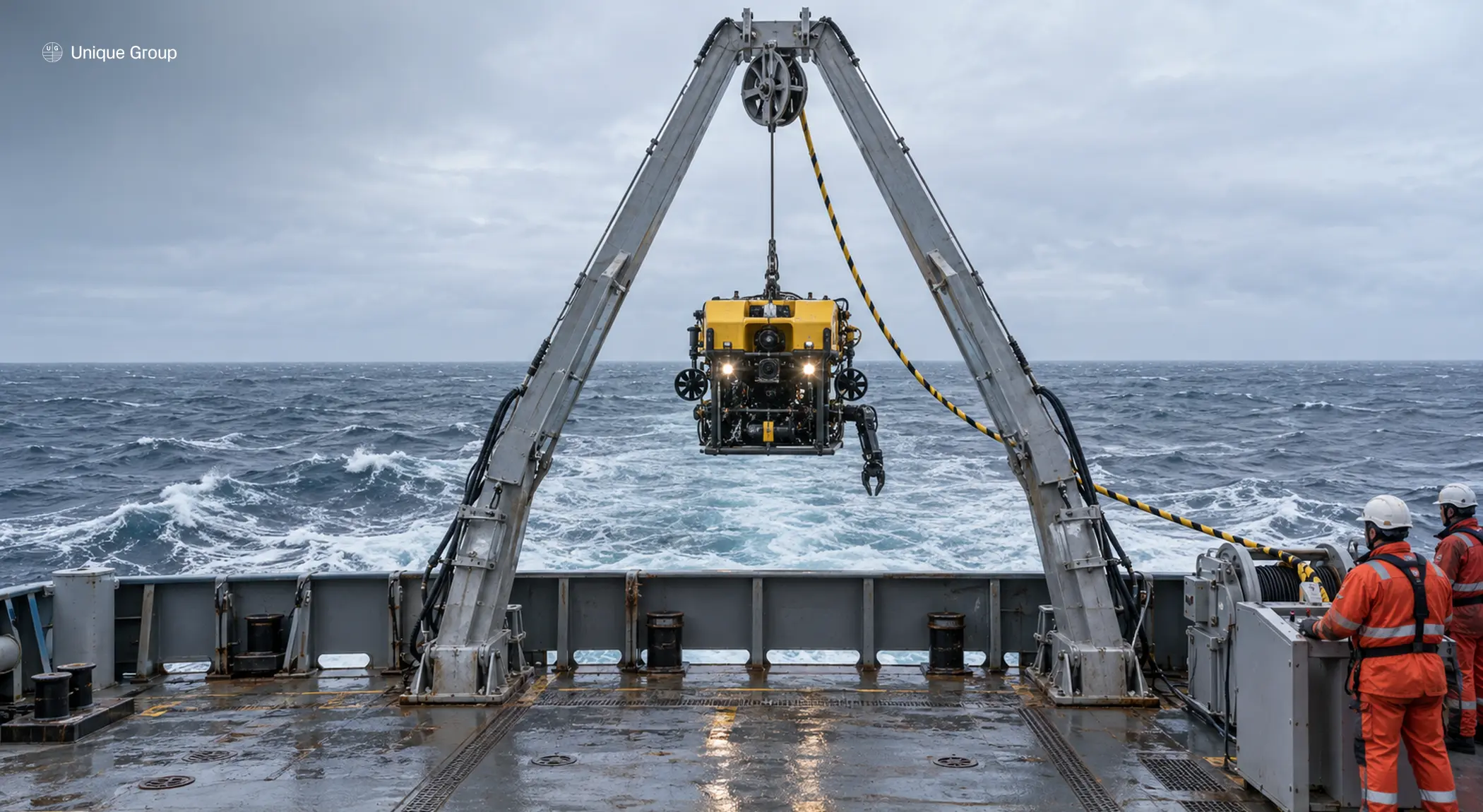
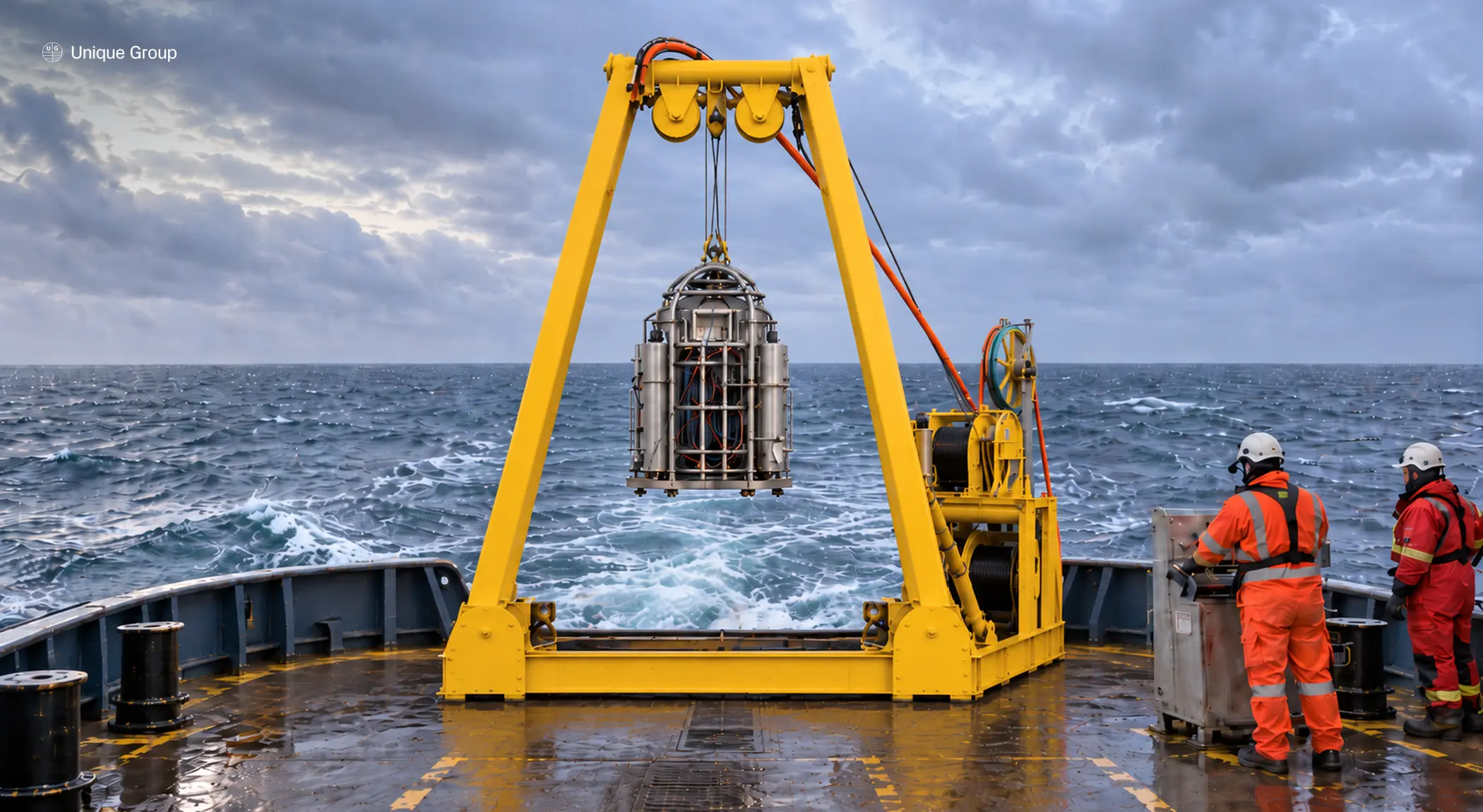
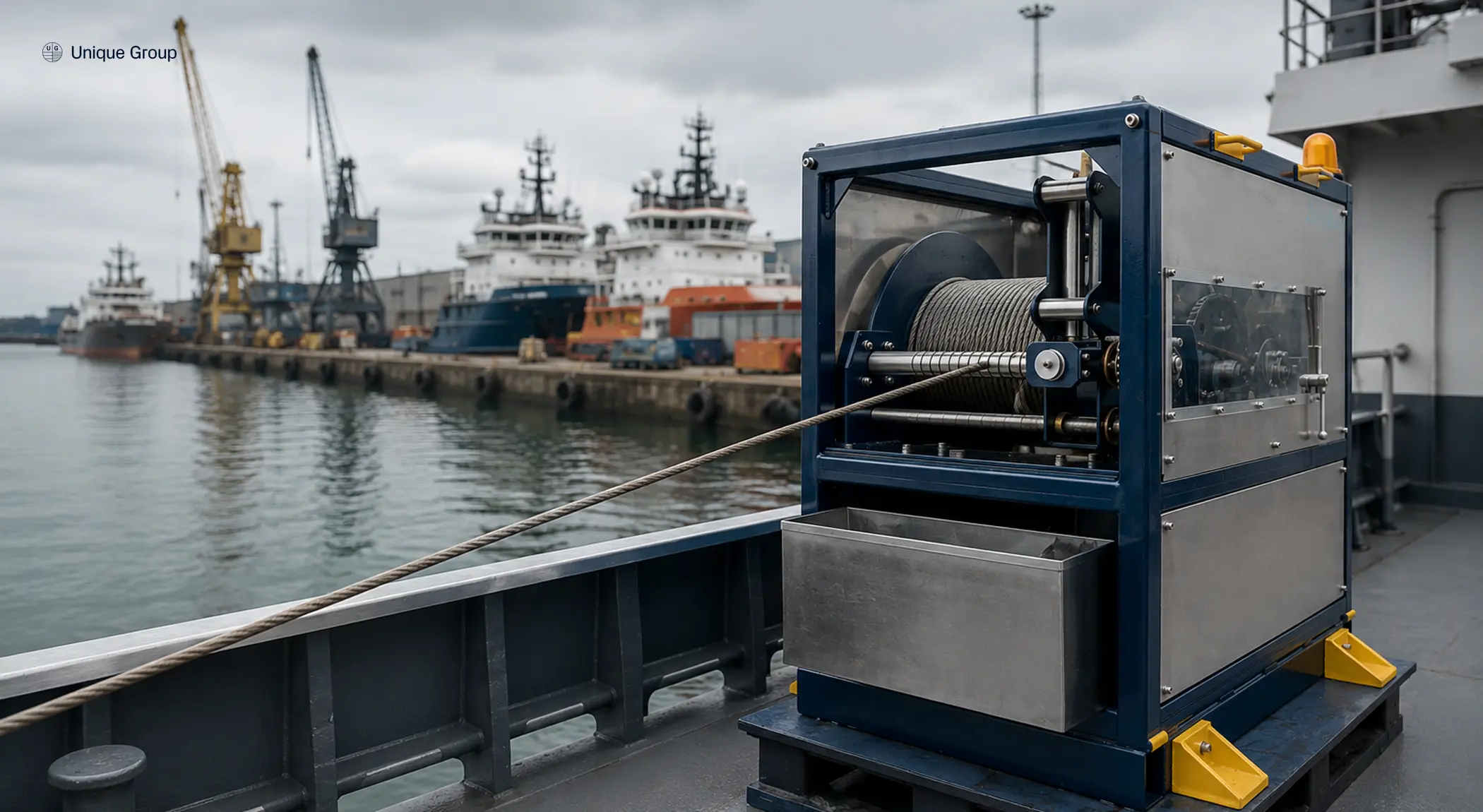
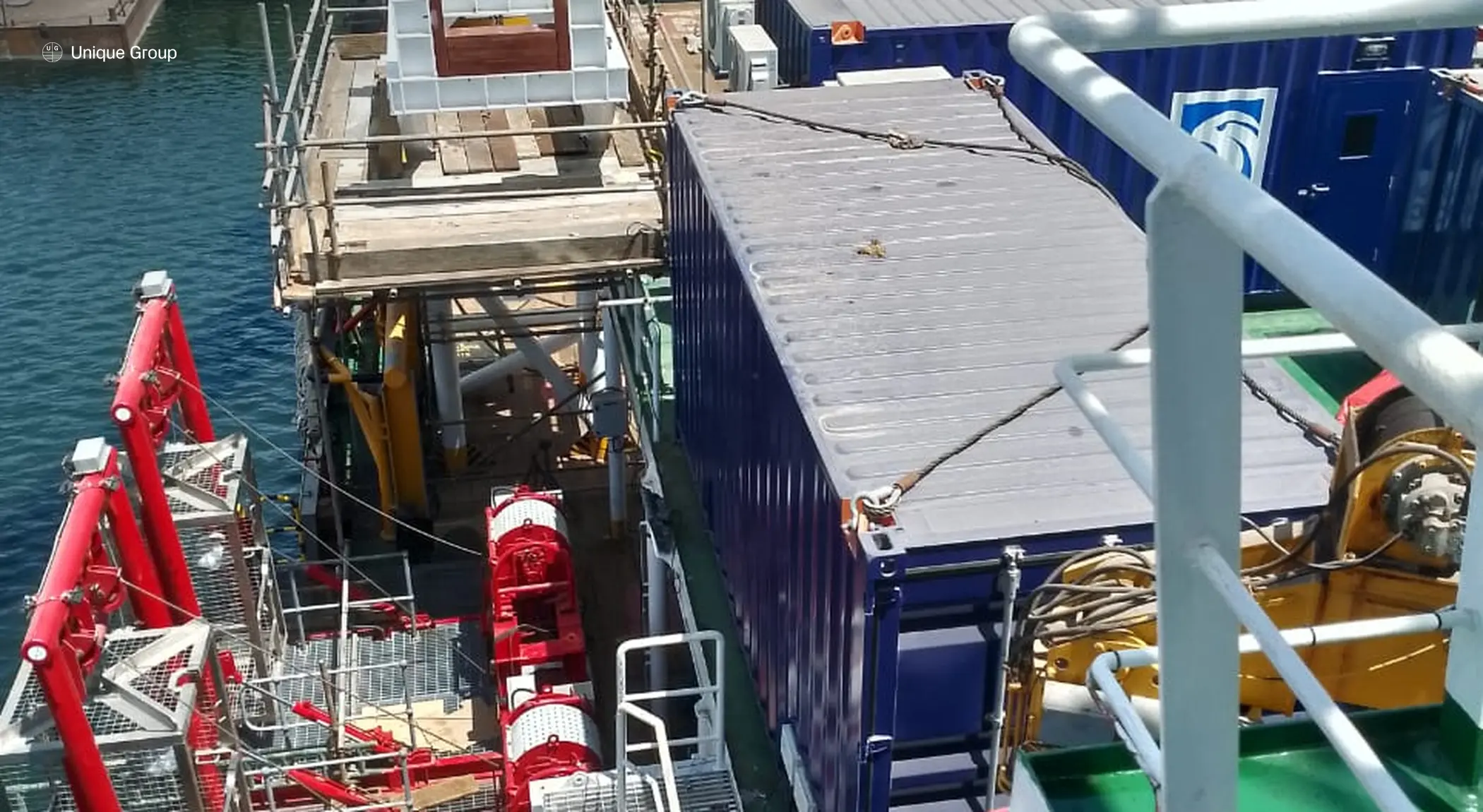
- tow cable handling, winch capacity, and deck safety
- mobilization time and deployment procedures
- maintaining stable tow altitude and speed
- risk management for seabed contact
Hull-mounted side scan sonar: Where it fits
Hull-mounted or pole-mounted configurations can be effective when:
- operating in shallow waters where towing is less practical
- prioritizing rapid mobilization for shorter survey tasks
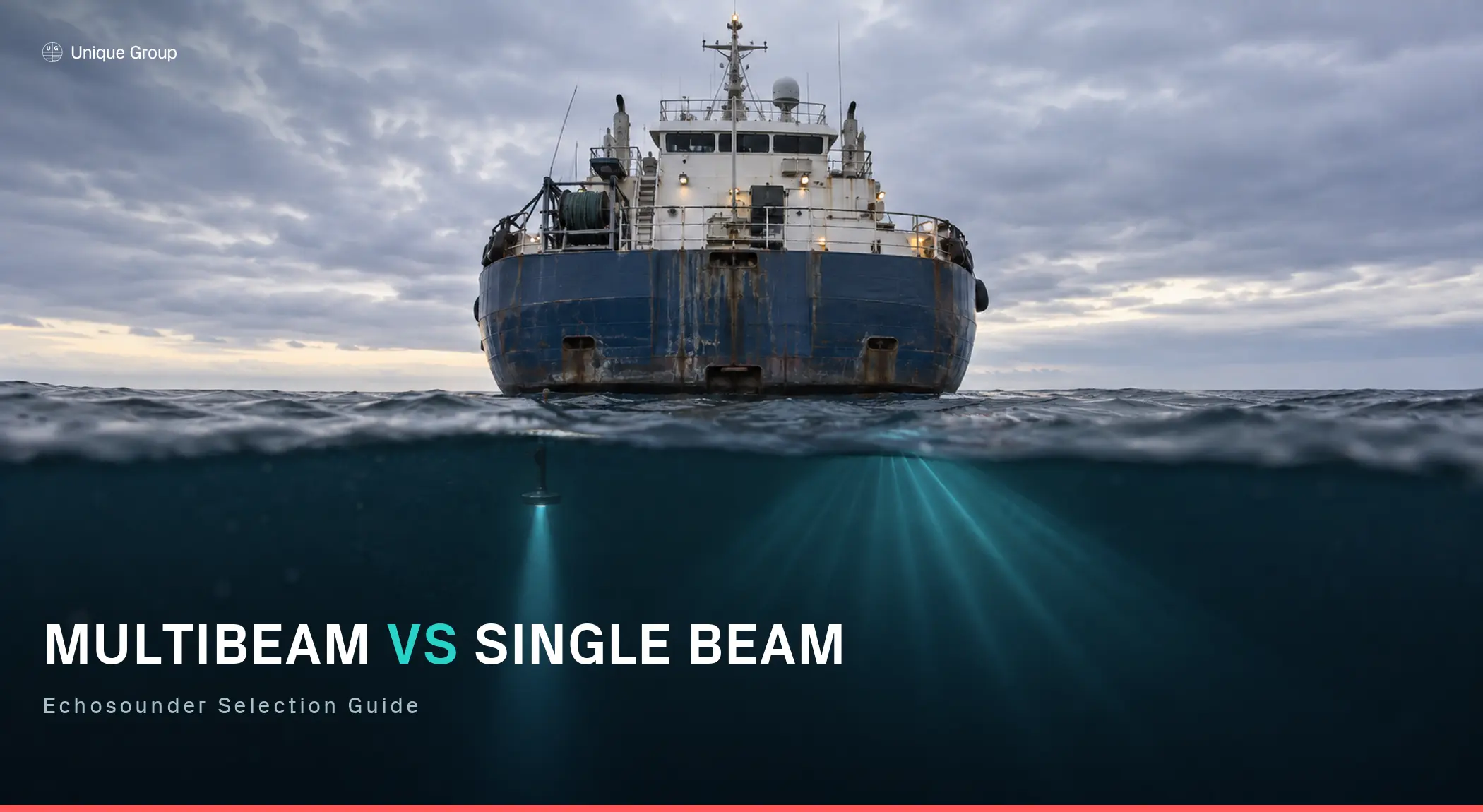
- vessel configuration supports stable mounting and low turbulence
Where hull mounting performs best
- nearshore surveys with stable vessel control
- environments where towfish handling is constrained
- projects where quick deployment is a priority
Key limitations
- vessel motion may reduce image stability
- turbulence and noise can affect imaging quality
- altitude is fixed relative to vessel, not seabed
Data quality: Stability and Altitude Control matter most
For side scan sonar, data quality heavily depends on:
- consistent altitude above seabed
- consistent speed and heading
- controlled line spacing and overlap
- predictable system geometry
Towfish setups generally allow better altitude management relative to the seabed—one reason they’re favored in many offshore geophysical contexts.
Mobilization and Lifecycle Considerations
Beyond performance, consider:
- maintenance access
- crew familiarity and training
- cable wear and spares strategy (towfish)
- mounting complexity and vessel limitations (hull)
- overall schedule impact
The “best” option is usually the one that delivers required image quality with minimal operational friction.
Summary
Towfish and hull-mounted side scan sonar setups both have valid use cases. Towfish tends to deliver better seabed-relative stability for imaging and target detection, while hull-mounted setups can offer operational simplicity in certain shallow and nearshore contexts.
Explore side scan sonar systems and configuration options here: https://www.uniquegroup.com/product-category/survey-equipment/geophysical/side-scan-sonar-systems/