

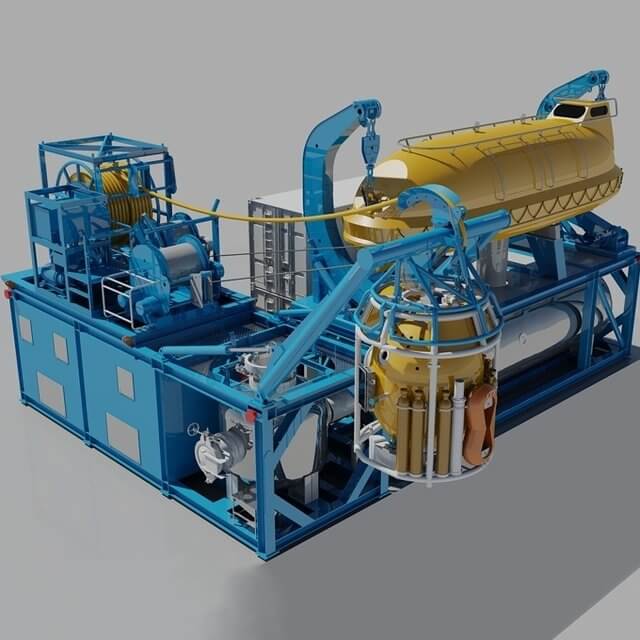
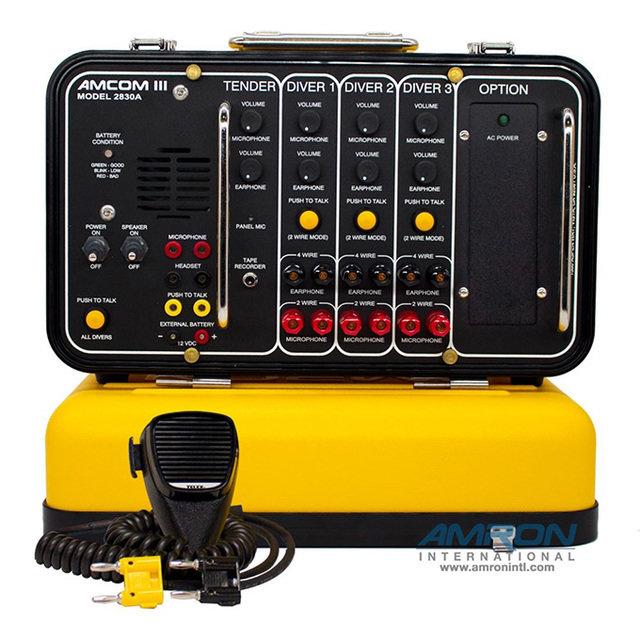
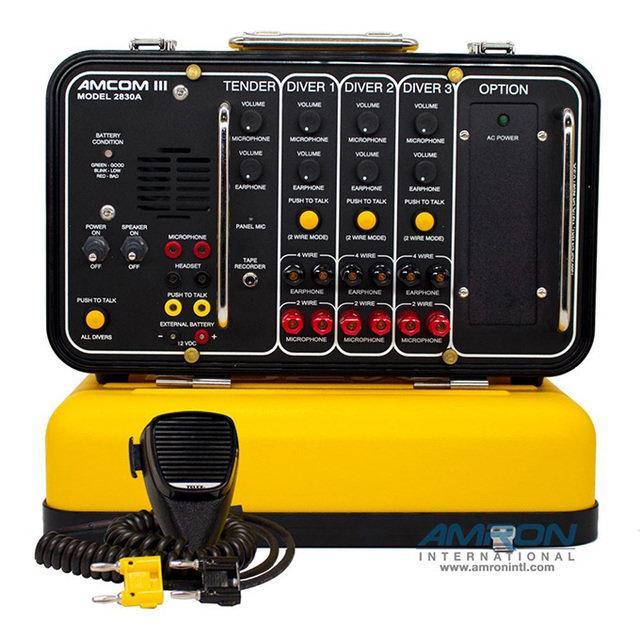
Diving life support systems are specialized setups that provide divers with essential elements needed for survival underwater. These systems typically include oxygen supply systems, decompression mechanisms, and underwater breathing apparatuses. They are designed to manage the diver’s environment, ensuring they can breathe safely and efficiently while minimizing risks associated with underwater pressure changes.
Whether you are engaging in scuba diving, saturation diving, or surface-supplied diving, understanding how diving life support systems work is vital for maintaining safety and enhancing performance. The integration of hyperbaric systems and advanced oxygen supply technologies allows divers to explore deeper and stay submerged longer, opening new frontiers in marine research and commercial activities.
Types of Life Support Systems for Scuba Diving
There are several types of life support systems tailored for specific diving needs:
- Closed-Circuit Systems: These systems recycle exhaled gases, minimizing the amount of gas required and allowing for longer dives.
- Open-Circuit Systems: Commonly used in recreational scuba diving, these systems release exhaled air into the water, making them simpler but less efficient for deep dives.
- Surface-Supplied Systems: Ideal for commercial diving, these systems provide gas from the surface, allowing divers to stay submerged for extended periods.
- Saturation Diving Systems: Used for deep-sea exploration, these systems allow divers to live in pressurized environments for days or weeks, minimizing the risk of decompression sickness.
Key Features & Technology
Modern diving life support systems are equipped with various advanced features:
- Safety Features: These include automatic alarms for low oxygen levels, real-time monitoring of vital signs, and emergency ascent systems.
- Decompression Systems: Essential for preventing decompression sickness, these systems manage the safe ascent of divers.
- Oxygen Supply Systems: Ensuring a steady and reliable supply of breathable gas, these systems are critical for all types of diving.
Maintenance & Reliability of Diving Life Support Systems
Proper maintenance of diving life support systems is crucial to ensure reliability and safety. Regular inspections and servicing of equipment help identify potential issues before they become critical failures. Best practices include:
- Conducting routine safety checks on all components, including oxygen tanks and regulators.
- Keeping detailed maintenance logs to track equipment performance and service history.
- Training personnel on emergency procedures and equipment handling to ensure readiness in critical situations.
Applications of Diving Life Support Systems
The versatility of diving life support systems allows for their application in various fields:
- Commercial Use: The best diving life support systems for commercial use are designed to enhance productivity and safety in underwater construction and repair.
- Underwater Research: Scientists rely on advanced systems for conducting research on marine ecosystems, animal behavior, and underwater geology.
- Deep-Sea Exploration: Specialized systems facilitate exploration and data collection in challenging environments, such as oceanic trenches.
Advantages of Advanced Diving Life Support Systems
Advanced diving life support systems offer several advantages, including:
- Increased safety through enhanced monitoring and emergency protocols.
- Greater efficiency in gas usage, allowing for longer dives.
- Improved comfort and performance for divers, leading to more successful missions.
Frequently Asked Questions
What is a DDC in diving?
A DDC, or Deck Decompression Chamber, is a critical component in diving operations, particularly in commercial and saturation diving. It is used to safely decompress divers after they have completed their underwater tasks, allowing them to return to surface pressure conditions gradually and safely. The DDC is typically a pressurized vessel on the support vessel or platform, equipped with communication systems, breathing gases, and sometimes medical and monitoring equipment to ensure the safety and health of the divers during decompression.
What is a life support system?
A life support system in diving refers to the equipment that provides necessary environmental support to keep divers alive and safe while underwater. This includes systems that supply breathable gas, manage thermal protection, and control buoyancy. These systems can range from simple scuba gear for recreational diving to complex apparatus used in commercial and military diving operations, such as rebreathers and saturation diving systems.
What are the four main life support systems?
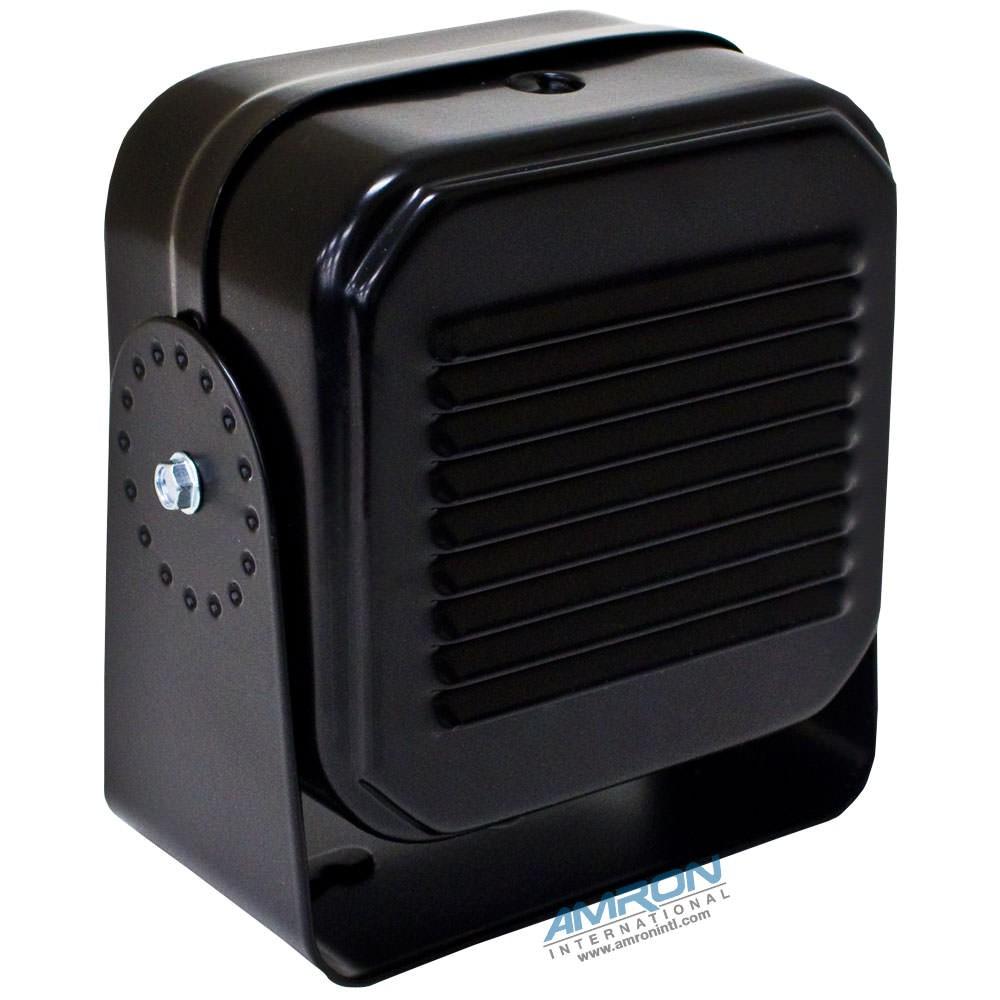
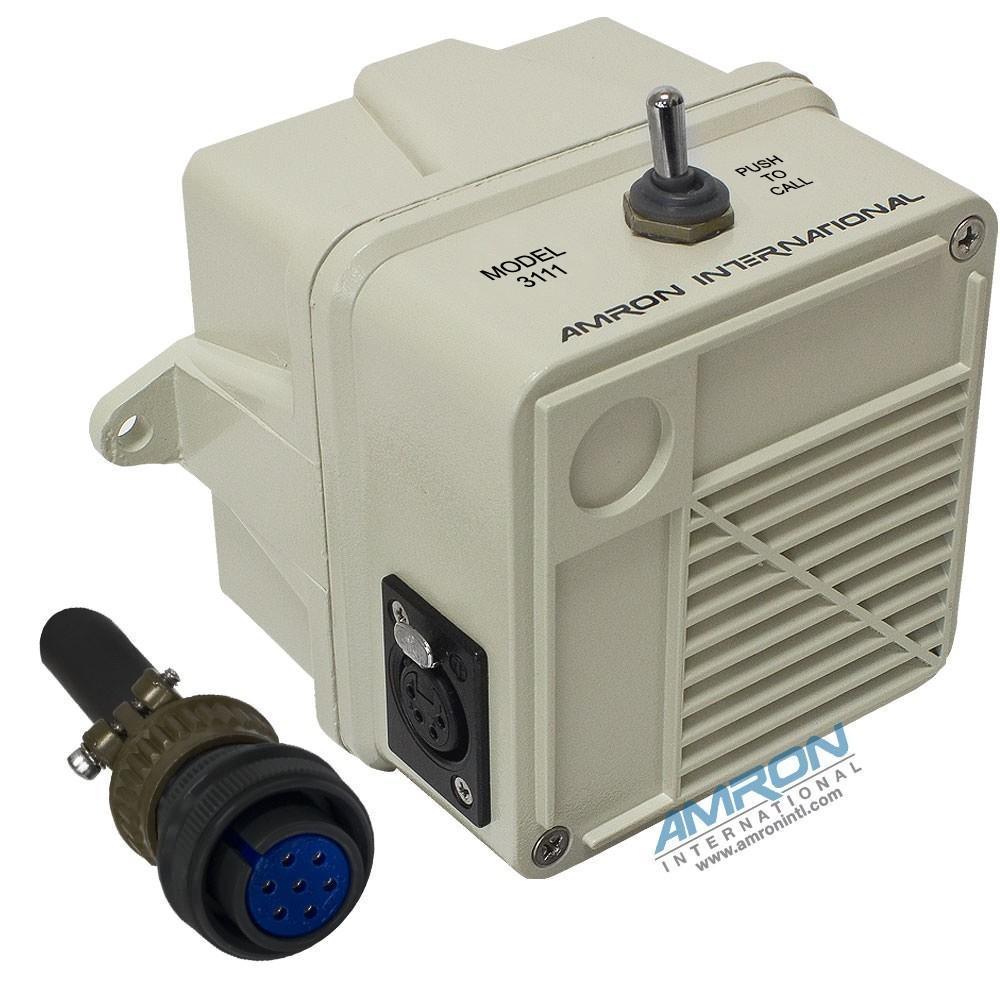
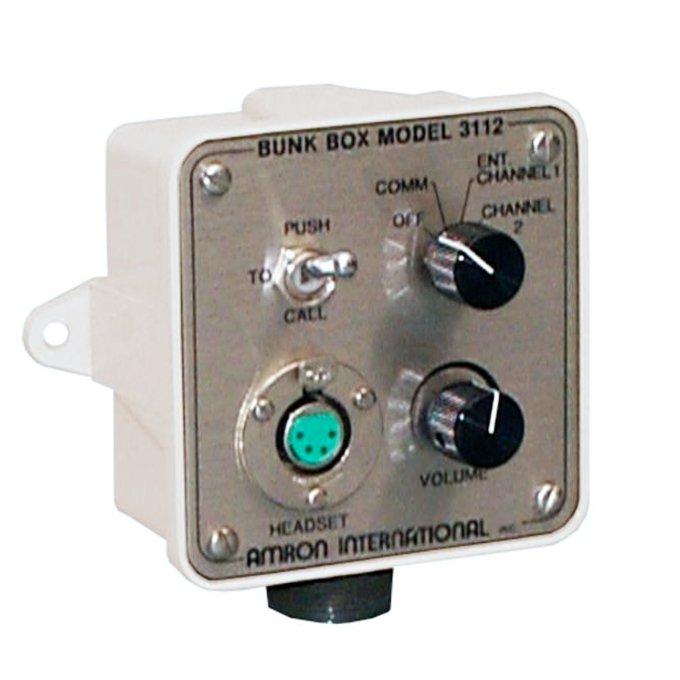
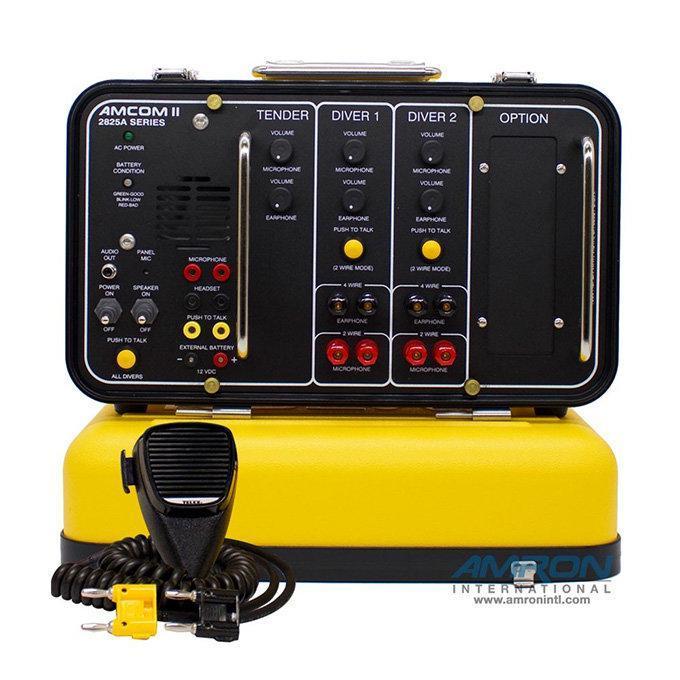
The four main life support systems for underwater operations include breathing gas supply, thermal protection, buoyancy control, and communication systems. Breathing gas supply systems ensure a diver receives the necessary mix of gases for respiration at varying depths. Thermal protection is provided through specialized diving suits that maintain body temperature in cold underwater environments. Buoyancy control devices help divers maintain neutral buoyancy, facilitating easier and safer movement underwater. Communication systems are essential for divers to stay in contact with surface teams or other divers, ensuring coordination and safety during operations.