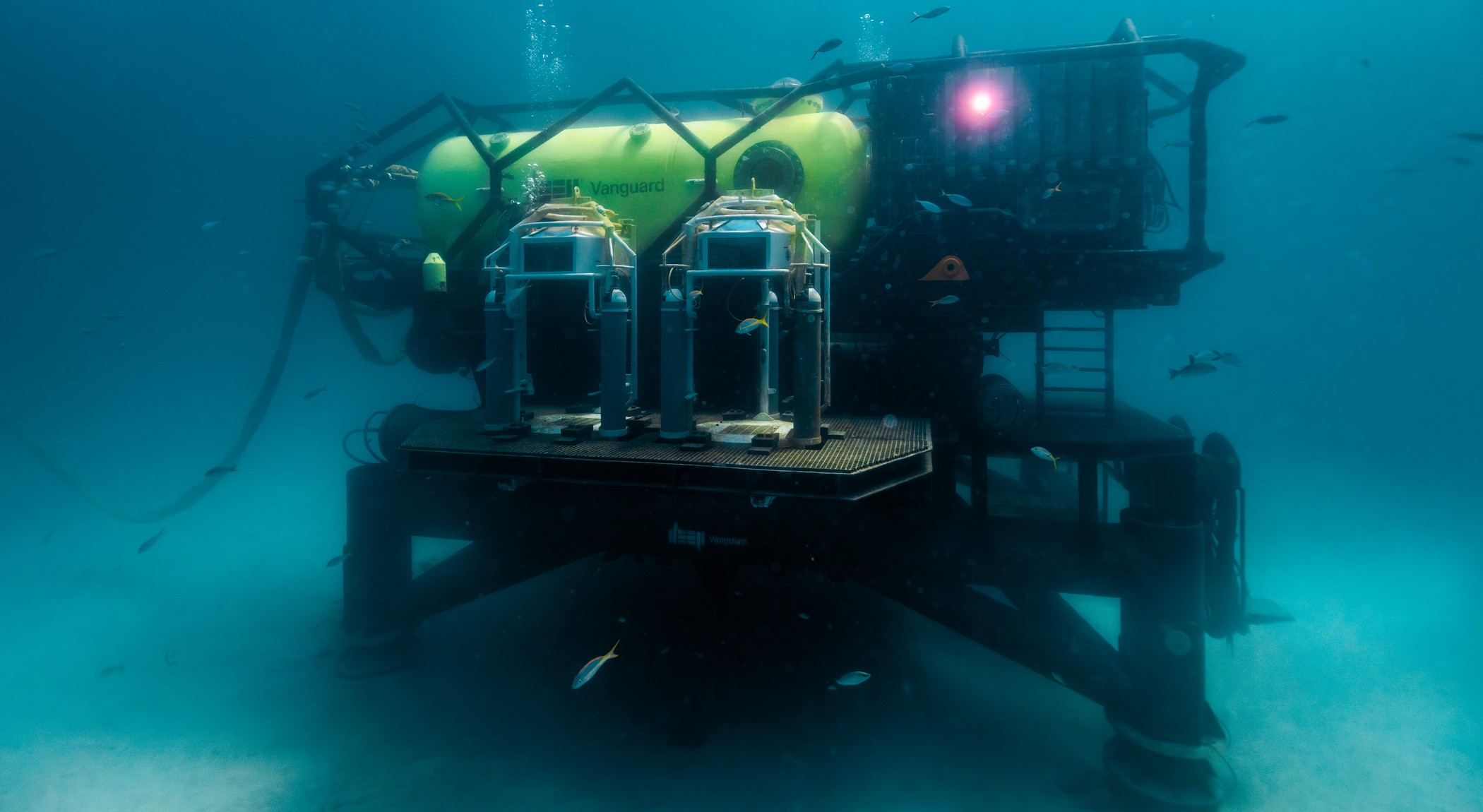
Summary of the Project
Vanguard represents a significant milestone in subsea engineering as the first open-ocean human habitat deployed in United States waters in more than 40 years. Developed by DEEP, the habitat is designed to enable aquanauts to live and work underwater for extended periods, supporting marine science, environmental monitoring, technology development, and future underwater infrastructure.
To transform this vision into reality, DEEP required an engineering partner capable of delivering critical subsea infrastructure across the entire project lifecycle – from seabed investigations and structural engineering to fabrication oversight, life-support systems and offshore installation.
DEEP partnered with Unique Group to support the design and development of Vanguard, as Unique has over three decades of experience building complex complex diving and life support equipment. The project, initiated in May 2025 and with the offshore installation completed in June 2026, forms part of DEEP’s ambitious programme to enable sustained human presence underwater for scientific, commercial, and exploratory purposes.
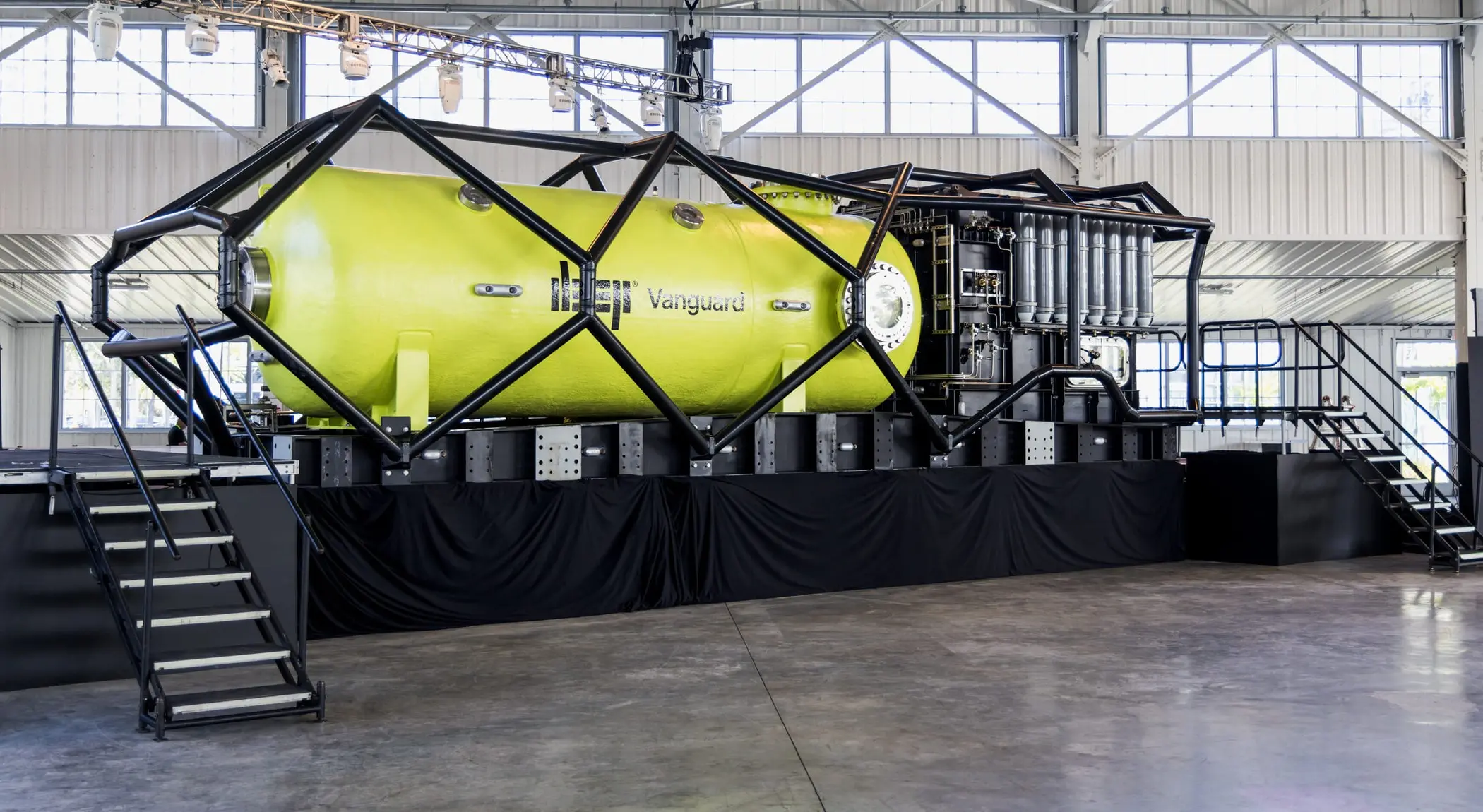
Client Requirement
DEEP required an experienced subsea engineering partner to:
- Assist in the design of a subsea habitat
- Support site selection and environmental assessments
- Deliver critical infrastructure systems including foundations, moorings, and life-support components
- Ensure compliance with stringent certification standards (including DNV)
- Execute the project within an ambitious timeline
Unique Group was selected as part of a multi-company delivery team, bringing proven expertise in saturation (SAT) diving systems, subsea structures, and marine engineering design.
Challenges Faced
1. Engineering for Human Life
Unlike conventional offshore structures, Vanguard was designed to protect human life continuously beneath the ocean. Every engineering decision – from structural loading to habitat interfaces, gas systems and emergency life-support provisions – had direct implications for occupant safety, reliability and long-term operational performance.
2. Compressed Timeline
The project required rapid mobilisation and parallel execution across multiple workstreams to meet deployment targets.
3. Regulatory & Certification Requirements
Strict compliance with DNV certification and other regulatory approvals added complexity to both design and execution.
4. Environmental & Infrastructure Constraints
- Designing for extreme offshore conditions, including Category 5 hurricane resilience
- Developing solutions suitable for long-term subsea deployment (20-year design life)
5. Global Coordination
Execution required seamless collaboration across teams in the UK, US, UAE, and South Africa, with significant on-site presence and resource coordination.
Unique Solution Delivered
We led and delivered a comprehensive, multi-disciplinary solution which included the following:
1. Survey & Engineering Leadership
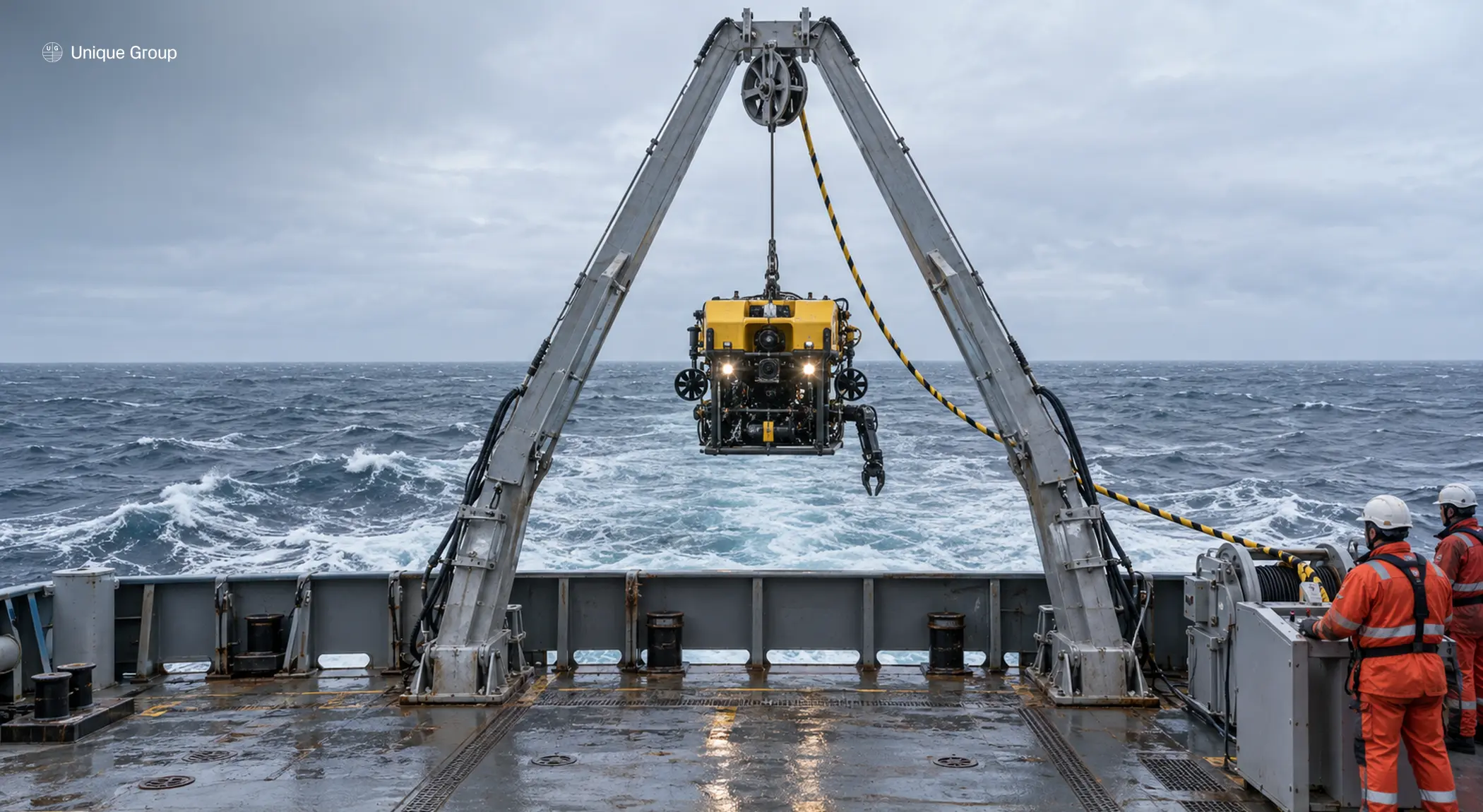
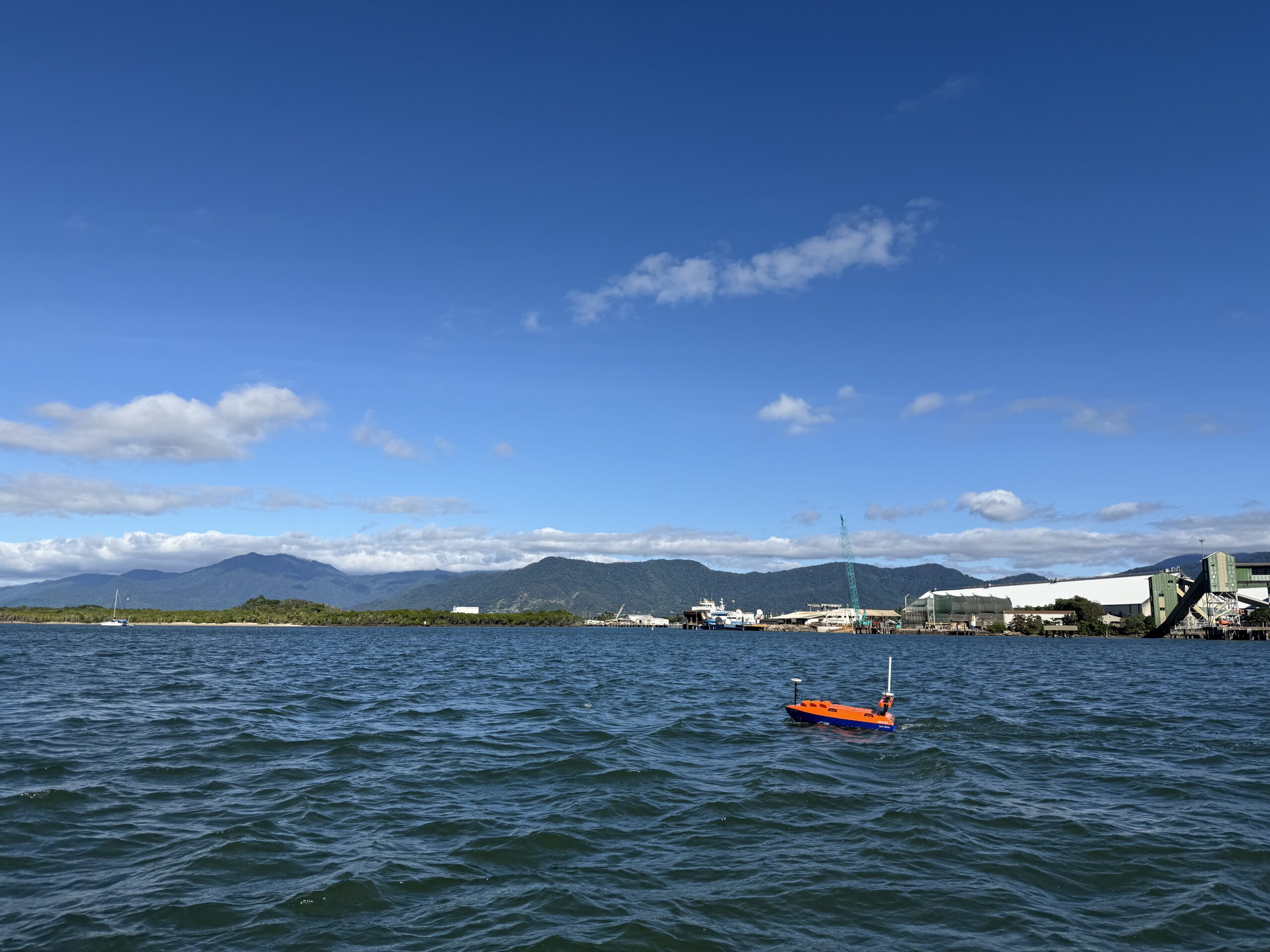
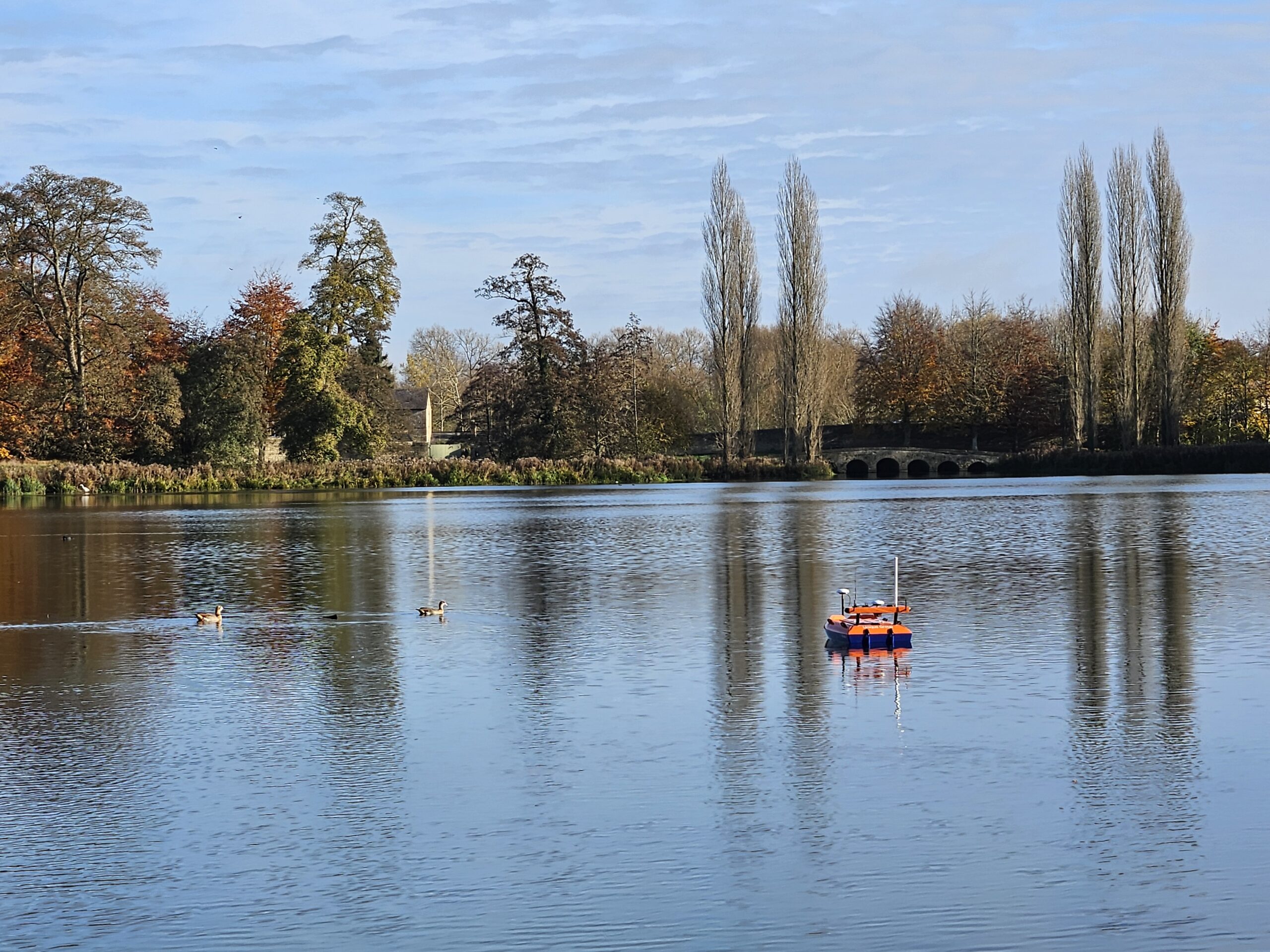
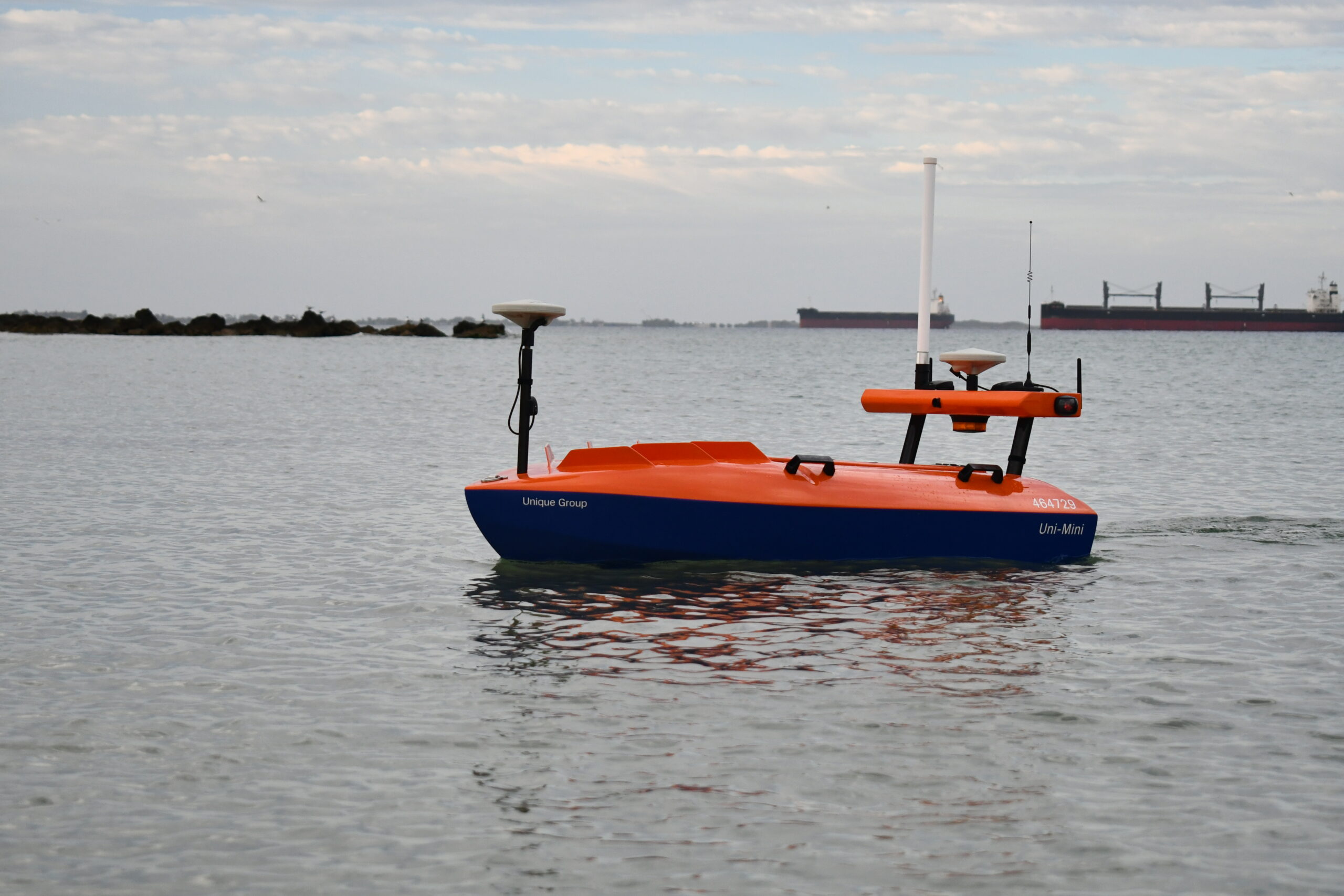
- Directed end-to-end geophysical and geotechnical surveys across two proposed sites
- Produced detailed bathymetric and sub-bottom profiles to inform engineering design
- Interpreted survey data to guide critical infrastructure decisions
2. Metocean & Environmental Analysis
- Delivered a comprehensive metocean study, including a full cyclonic model
- Quantified long-term environmental conditions and extreme weather loads
3. Structural & Foundation Engineering
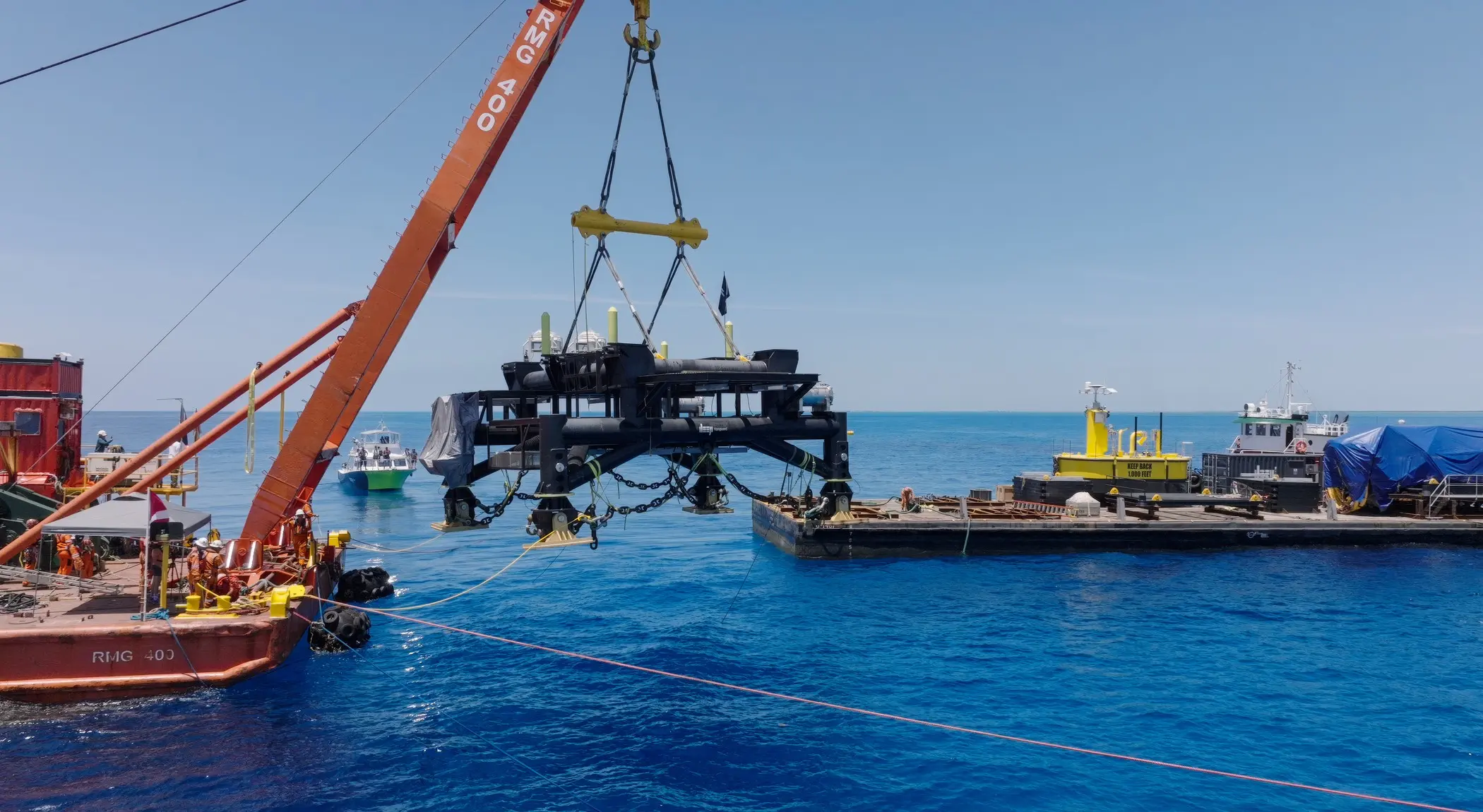
- Engineered the gravity-base foundation and habitat interface structure to safely transfer operational loads into the seabed while resisting extreme environmental forces throughout a 20-year operational life.
- Engineered rock socket piles for habitat stability
- Developed a mooring spread system for the life-support buoy, resilient to Category 3 hurricanes
4. Life-Support & System Integration
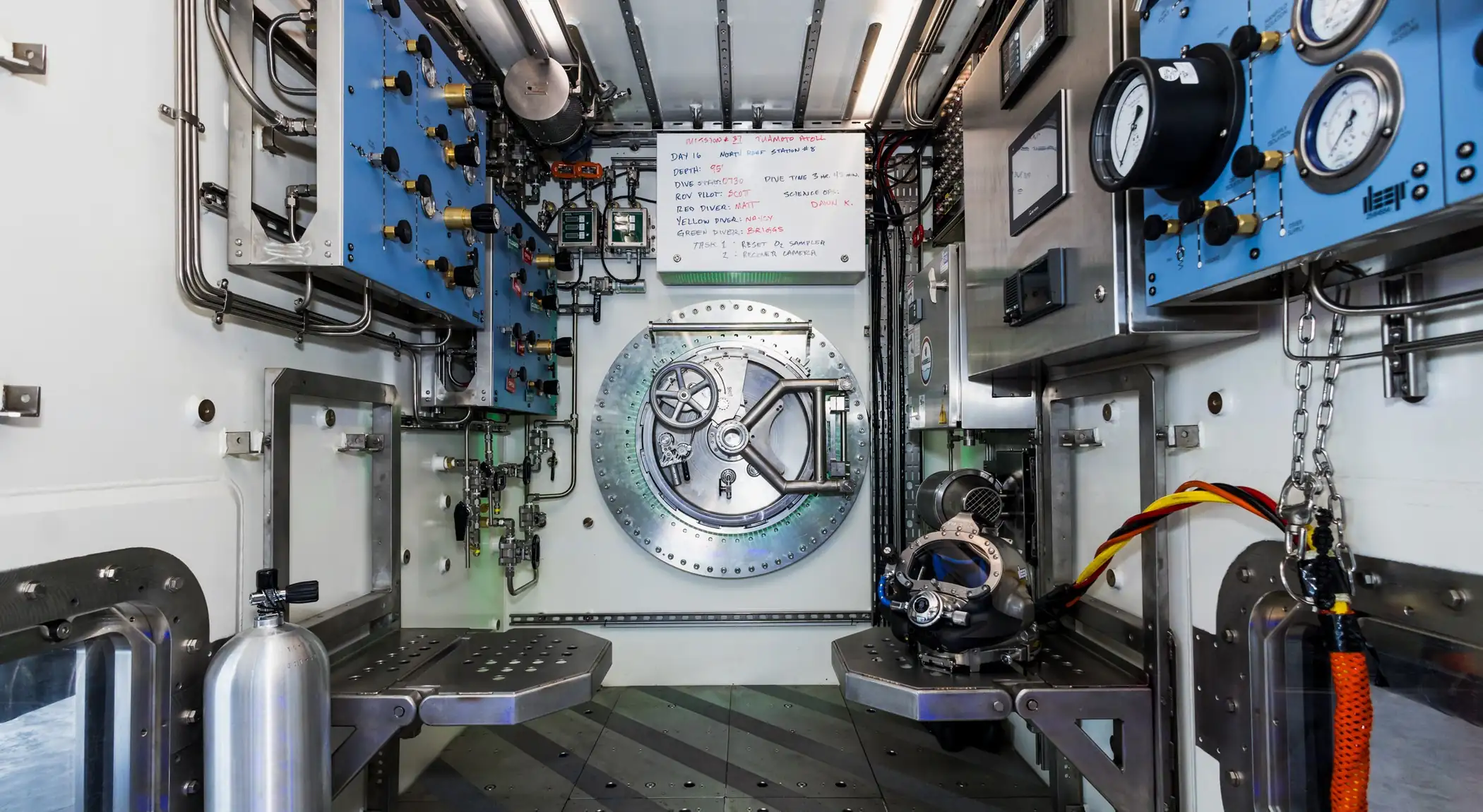
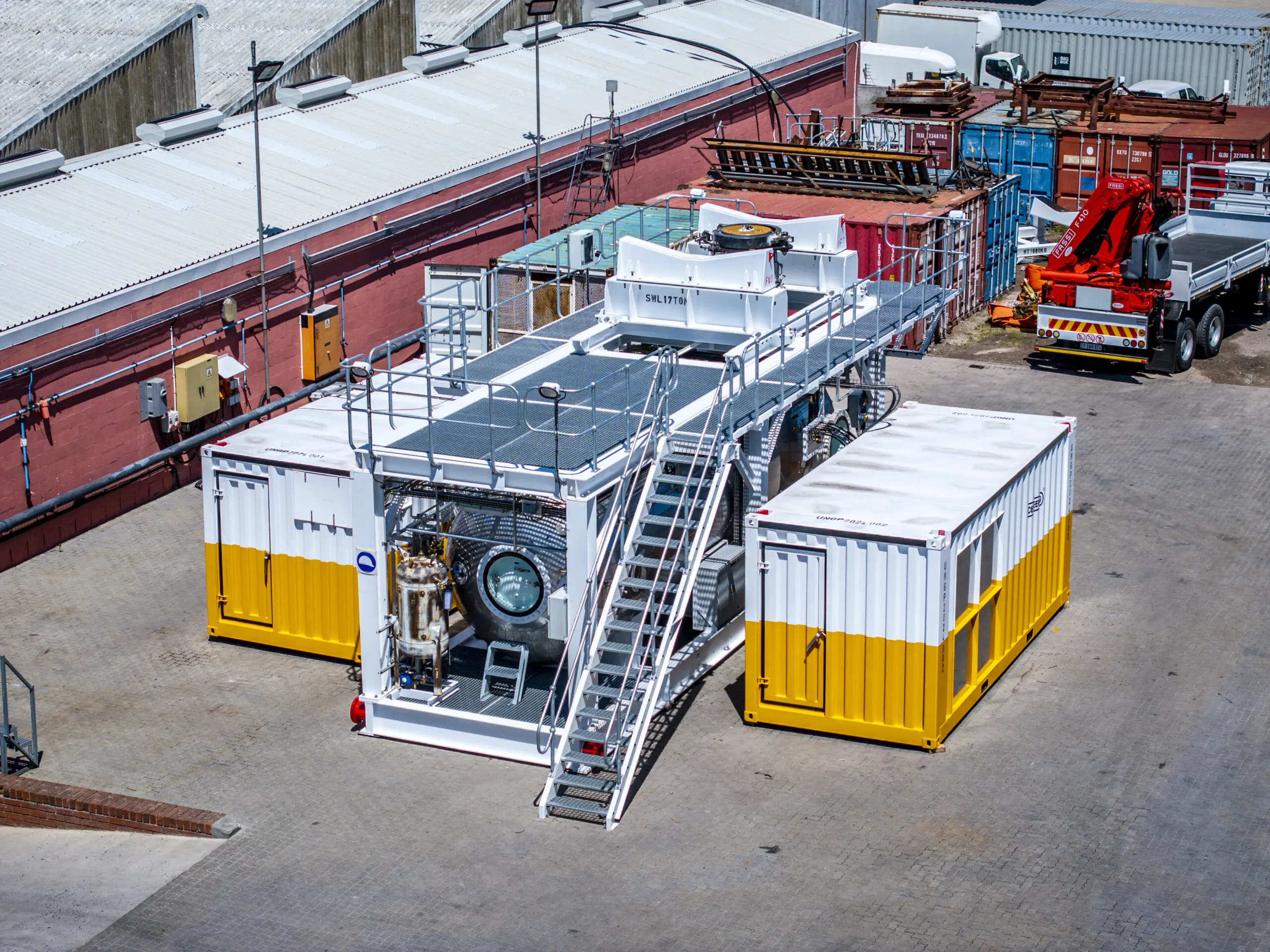
- Designed and supplied integrated gas and fluid control panels that form part of the habitat’s critical operational systems, ensuring safe management of life-support functions during extended underwater occupation.
- Supported system integration across multiple engineering disciplines
5. Interior & Human-Centric Design
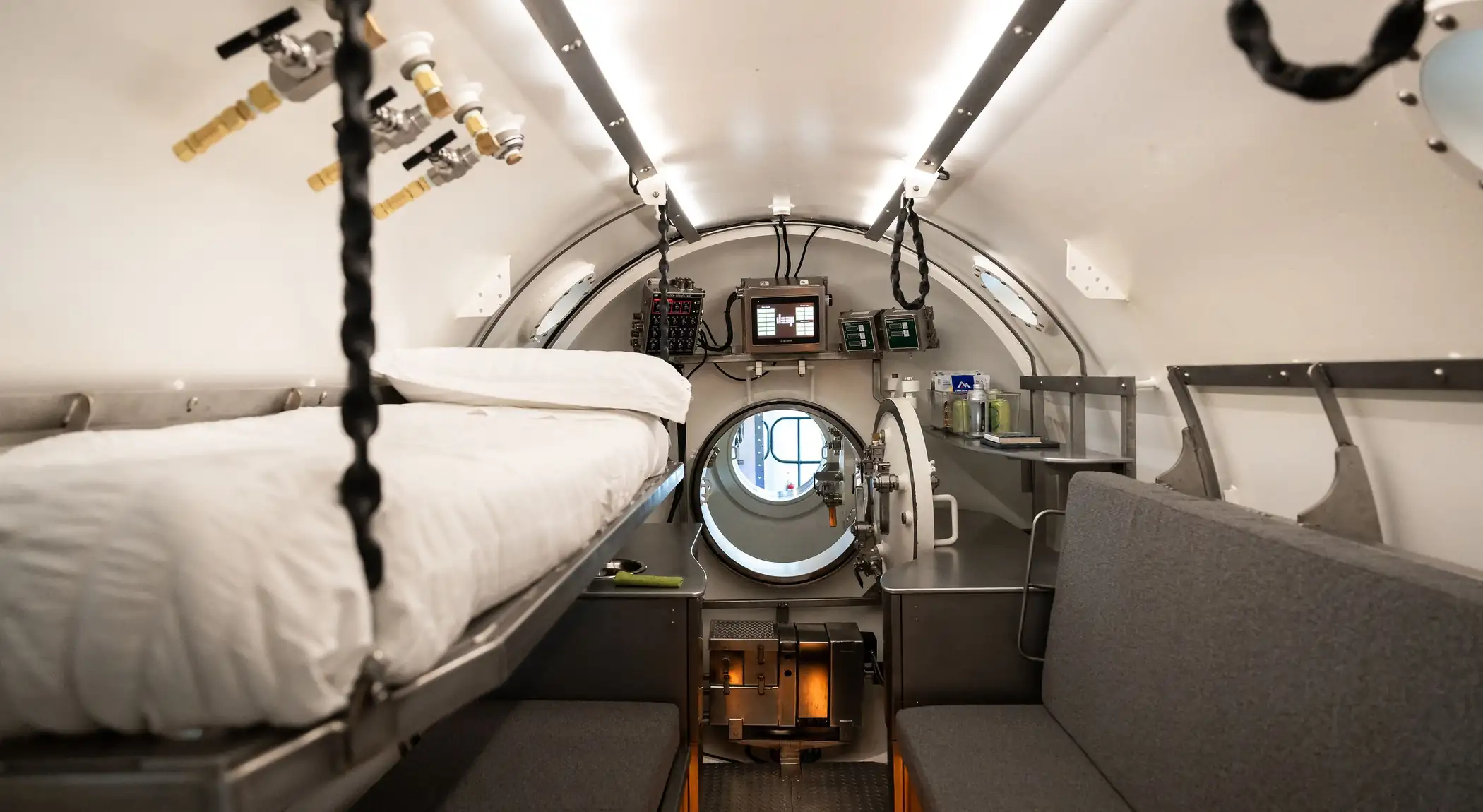
- Specified and supplied bespoke interior furniture for the living chamber
- Ensured high-specification finishes tailored to confined subsea conditions
6. Load out to site
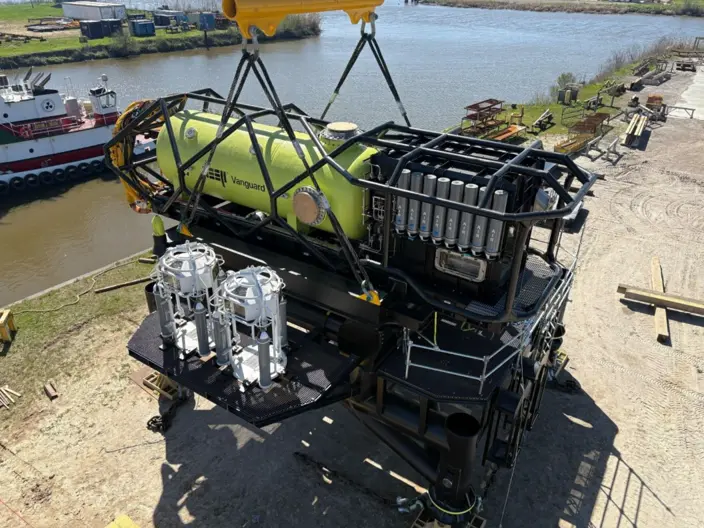
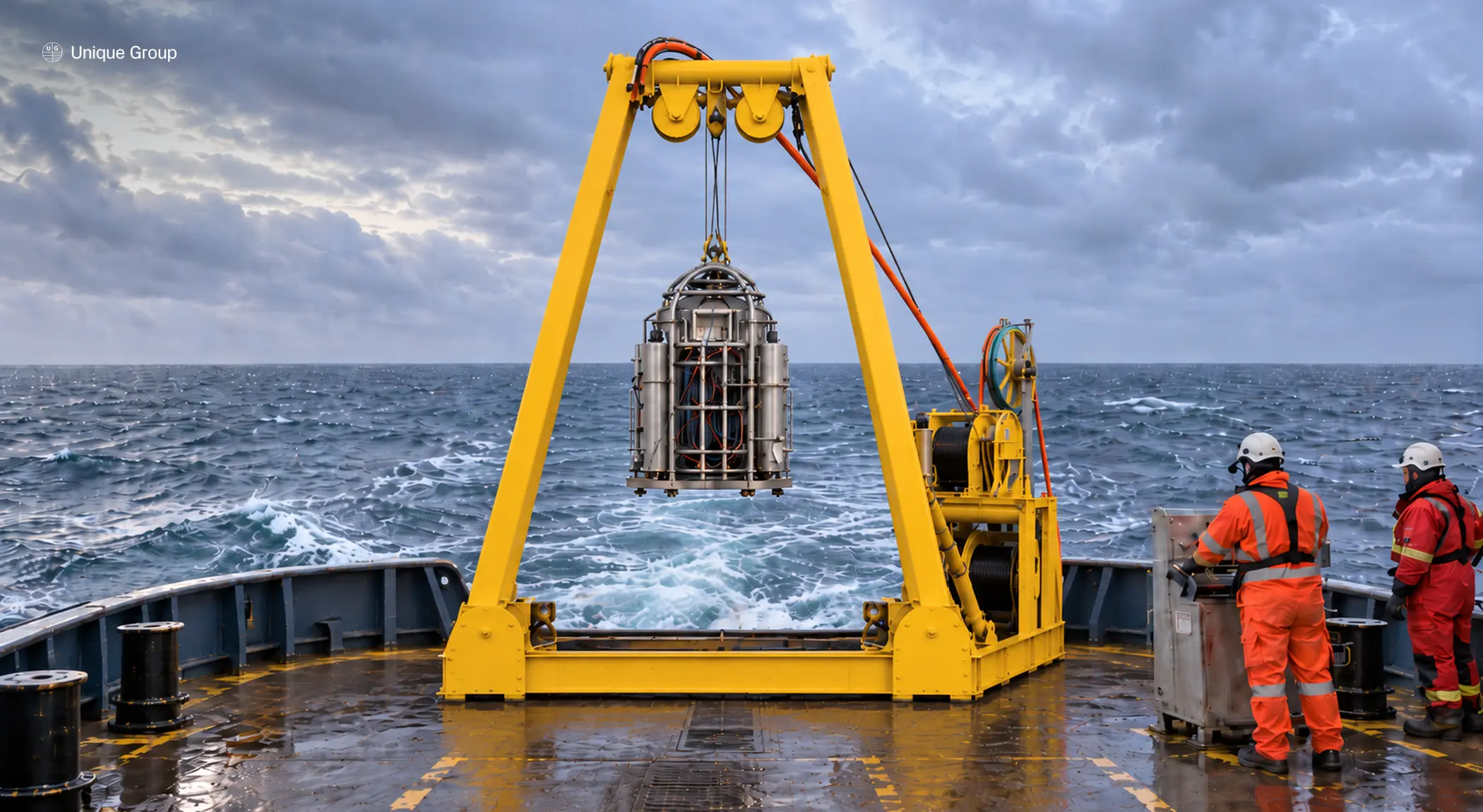
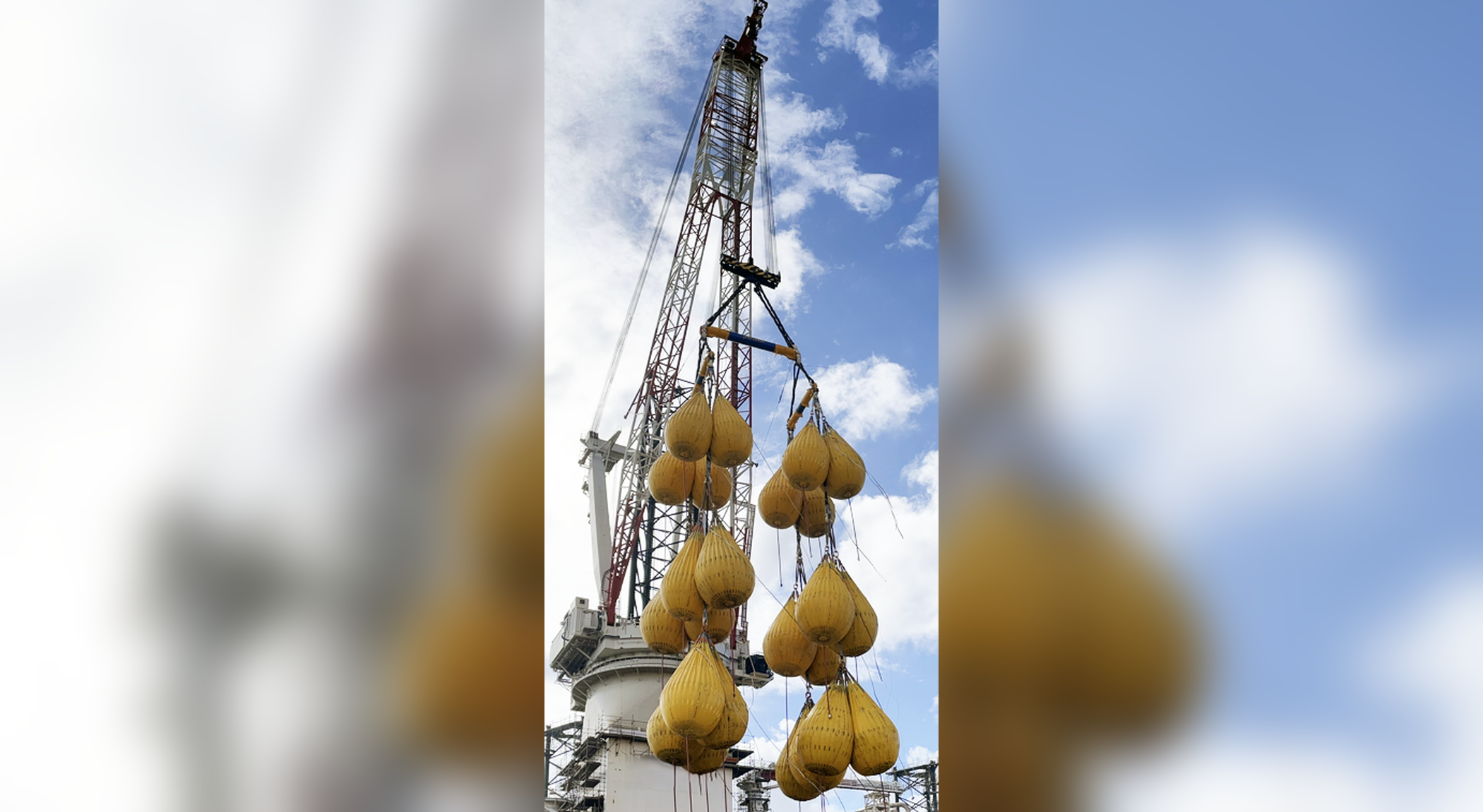
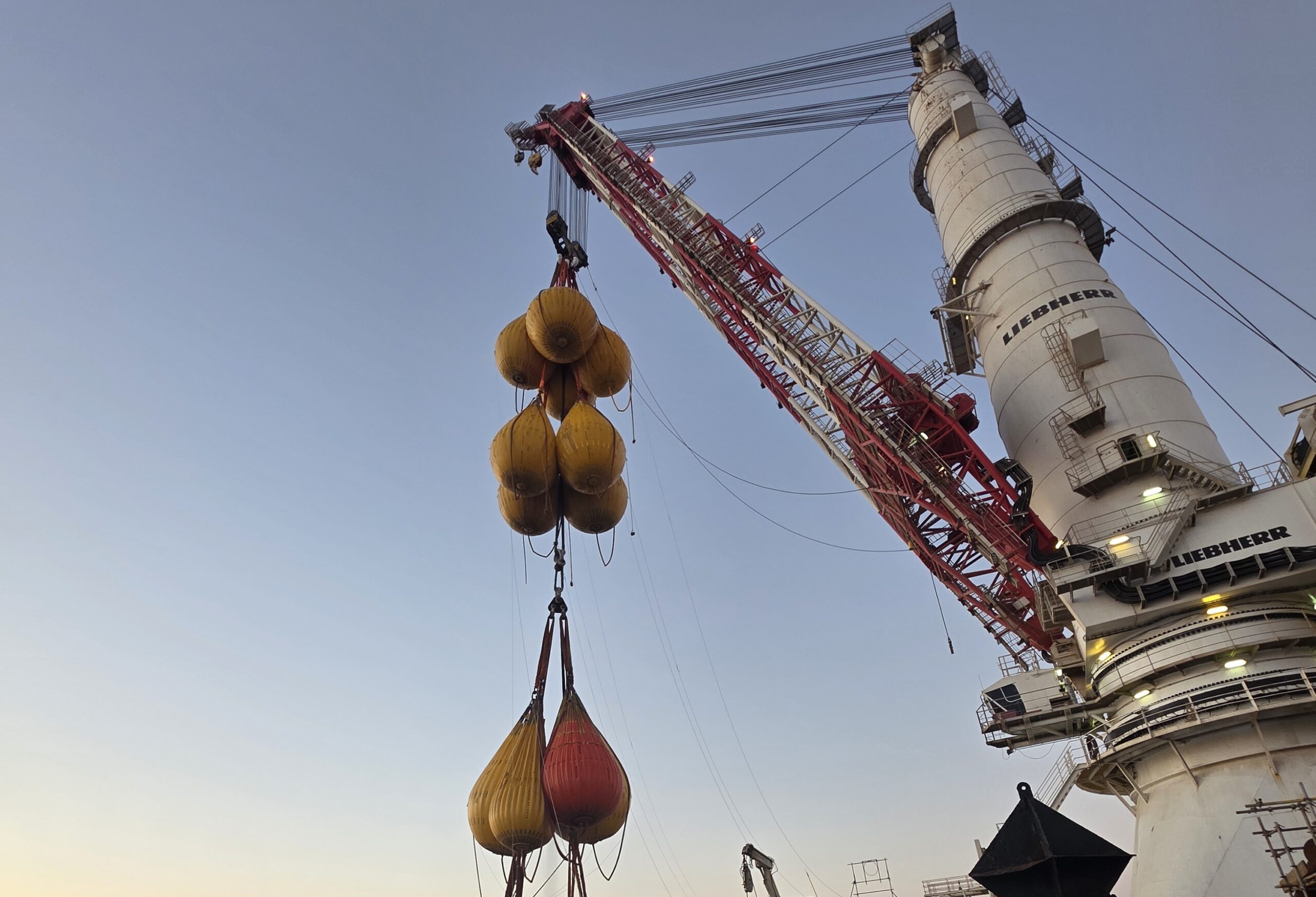
- Managed the load out and transport of the system to the actual site with a barge, we designed the sea fastenings and loaded it out and provided the tug to get it to site
6. Global Execution Model
- UK team: Led structural and habitat design
- US team: Managed fabrication and on-site execution
- Cape Town team: Supported engineering and supplied gas panel systems
- UAE team: Supported the UK team with design engineering when required
This distributed model enabled rapid delivery while maintaining engineering integrity and quality control.
Benefits Delivered
- Extended Human Presence at Depth
Enables significantly longer subsea stays compared to conventional air or saturation diving, unlocking new operational possibilities. - Enhanced Safety & Operational Efficiency
Minimises repeated decompression cycles, reducing risk to personnel while improving mission continuity and productivity. - Engineered for Extreme Environments
Designed for long-term deployment with a 20-year design life and resilience to Category 5 hurricane conditions, ensuring reliability in the harshest offshore settings. - Integrated, End-to-End Delivery
Single engineering partner accountable across multiple workstreams. A fully coordinated approach – spanning survey, engineering, fabrication oversight, and system integration—reduced project risk and ensured seamless execution. - Accelerated Project Execution
Global collaboration across the UK, US, UAE, and South Africa enabled parallel workstreams, meeting an aggressive timeline without compromising quality. - Future-Ready, Multi-Application Platform
Designed to support a wide range of use cases, including:- Scientific research
- Space mission simulation (analog environments)
- Naval and defence operations
- Optimised Design Through Data-Driven Insights
Advanced survey interpretation and metocean modelling ensured informed decision-making, resulting in a robust and efficient habitat design.
Engineering Impact
Vanguard demonstrates how multidisciplinary engineering can enable entirely new ways of operating beneath the ocean.
Beyond supporting marine science, the project establishes engineering methodologies applicable across offshore energy, defence, subsea infrastructure, marine research and future underwater habitation programmes. For Unique Group, the project reinforces more than 30 years of engineering expertise in delivering complex subsea systems where reliability, safety and precision are critical.
Client’s Perspective
Norman Smith, Chief Technology Officer, DEEP said:
“We’re thrilled to partner with Unique Group on this ambitious project. Their expertise in engineering and subsea systems has been invaluable in realizing our vision for Vanguard. We look forward to starting a new chapter in underwater habitation and scientific exploration.”