A more flexible approach to preparing ROVINS/DVL systems for subsea operations.
Accurate navigation is fundamental to subsea survey and inspection operations. Whether operating an ROV, USV or other subsea system, reliable information on position, heading, attitude and movement is essential for collecting accurate data and maintaining operational control.
Two important technologies that support subsea navigation are the Inertial Navigation System (INS) and Doppler Velocity Log (DVL).
An INS uses inertial sensors and supporting navigation inputs to determine a vehicle’s position, heading, attitude and motion. A DVL, meanwhile, uses acoustic signals to measure velocity relative to the seabed or surrounding water. When integrated, the two systems can work together to provide a robust navigation solution, particularly in subsea environments where conventional GNSS positioning is unavailable.
However, for the INS and DVL to operate as a tightly integrated system, their physical mounting relationship needs to be accurately established. This is where calibration is critical.
The Challenge
Mounting the INS and DVL on a vehicle can introduce small alignment differences between the two systems. These misalignments need to be identified and corrected so that the systems can work together accurately.
Traditionally, ROVINS/DVL calibration has been carried out using a small conventional vessel. While this provides an effective platform for the calibration process, it also introduces a practical dependency on vessel availability.
For equipment that needs to be calibrated, prepared and returned to service, waiting for a suitable vessel can affect scheduling and lead times.
Unique Group identified an opportunity to bring greater control to this process by using its own USV.
The Solution: In-House USV-Based Calibration
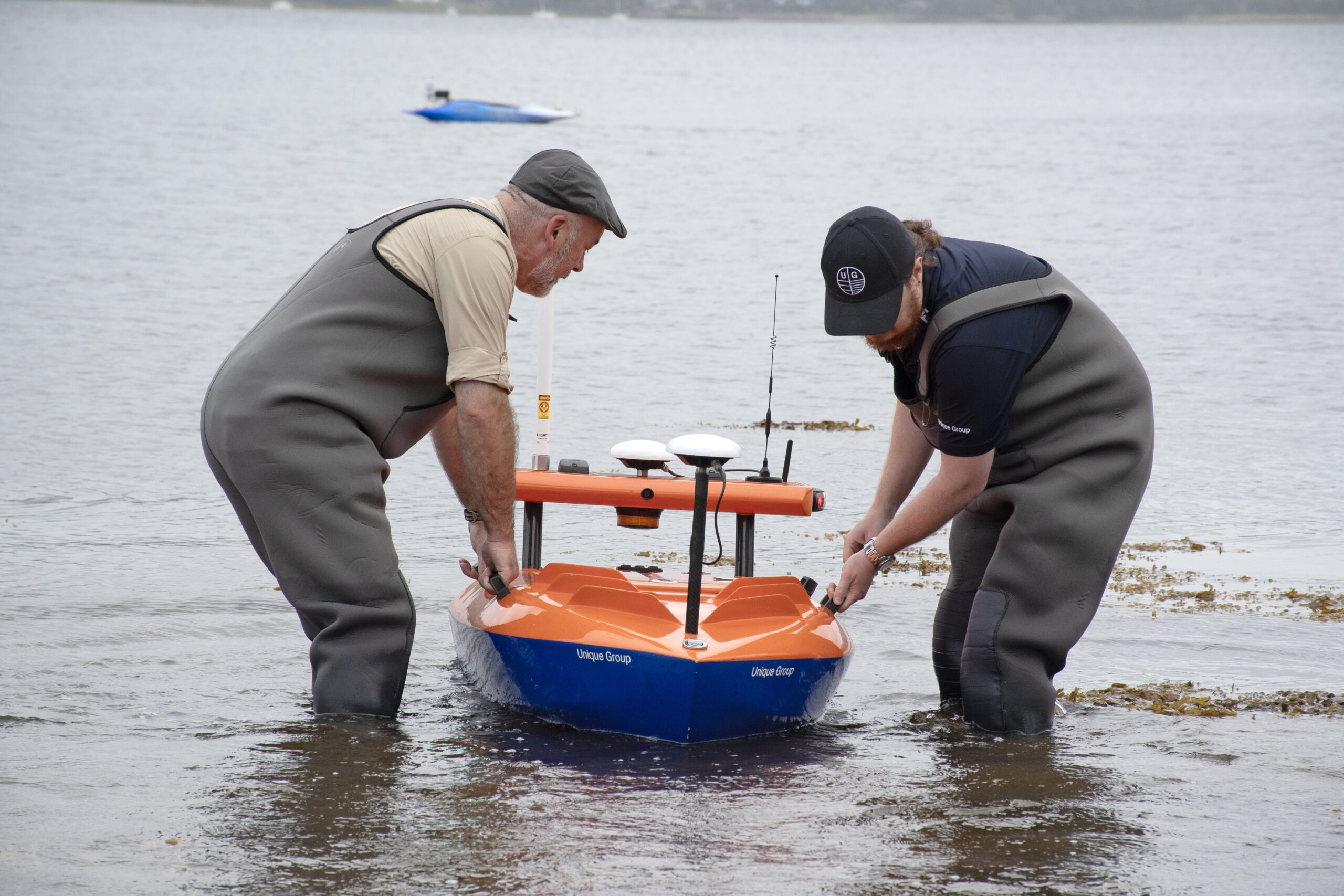
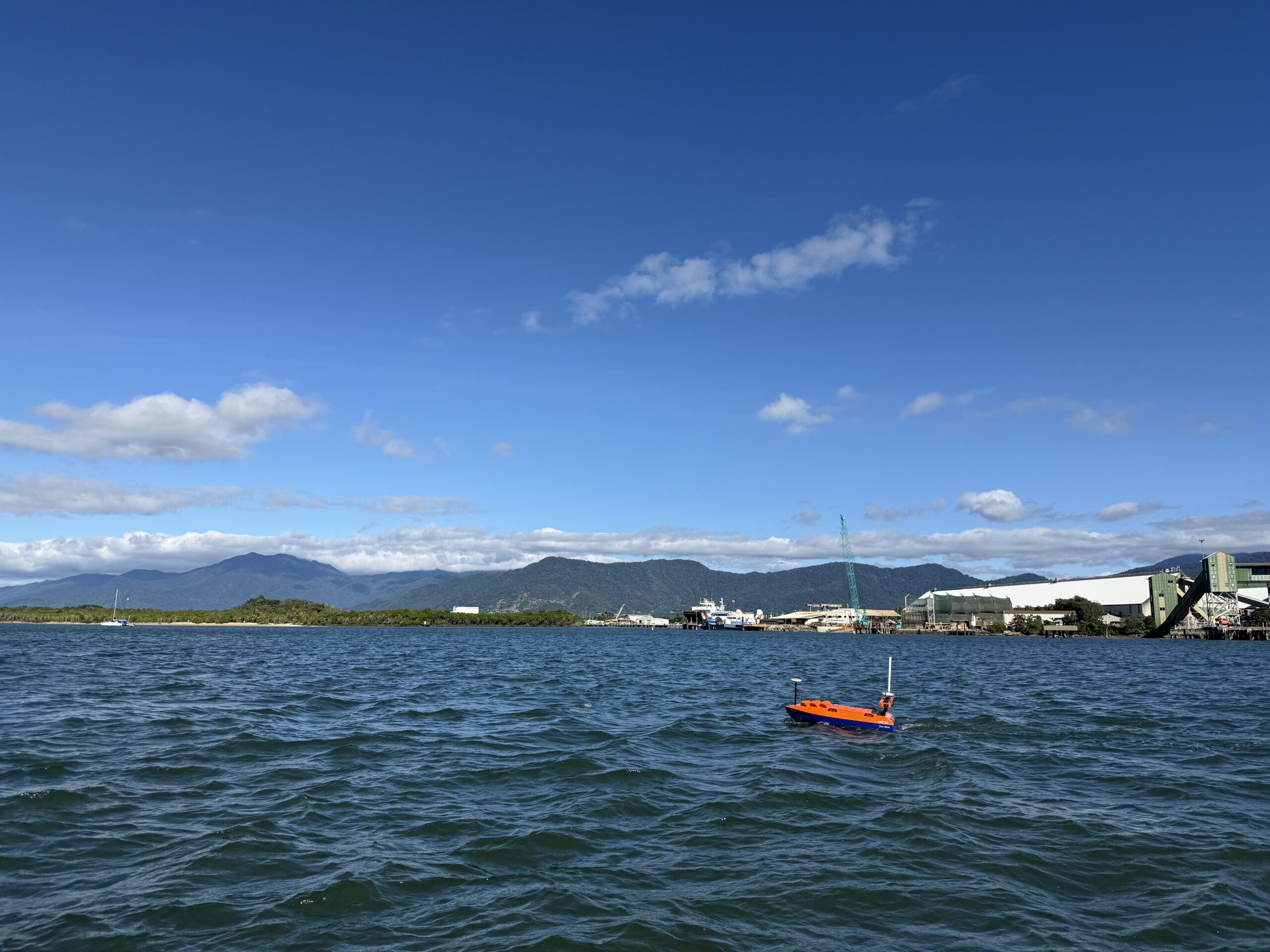
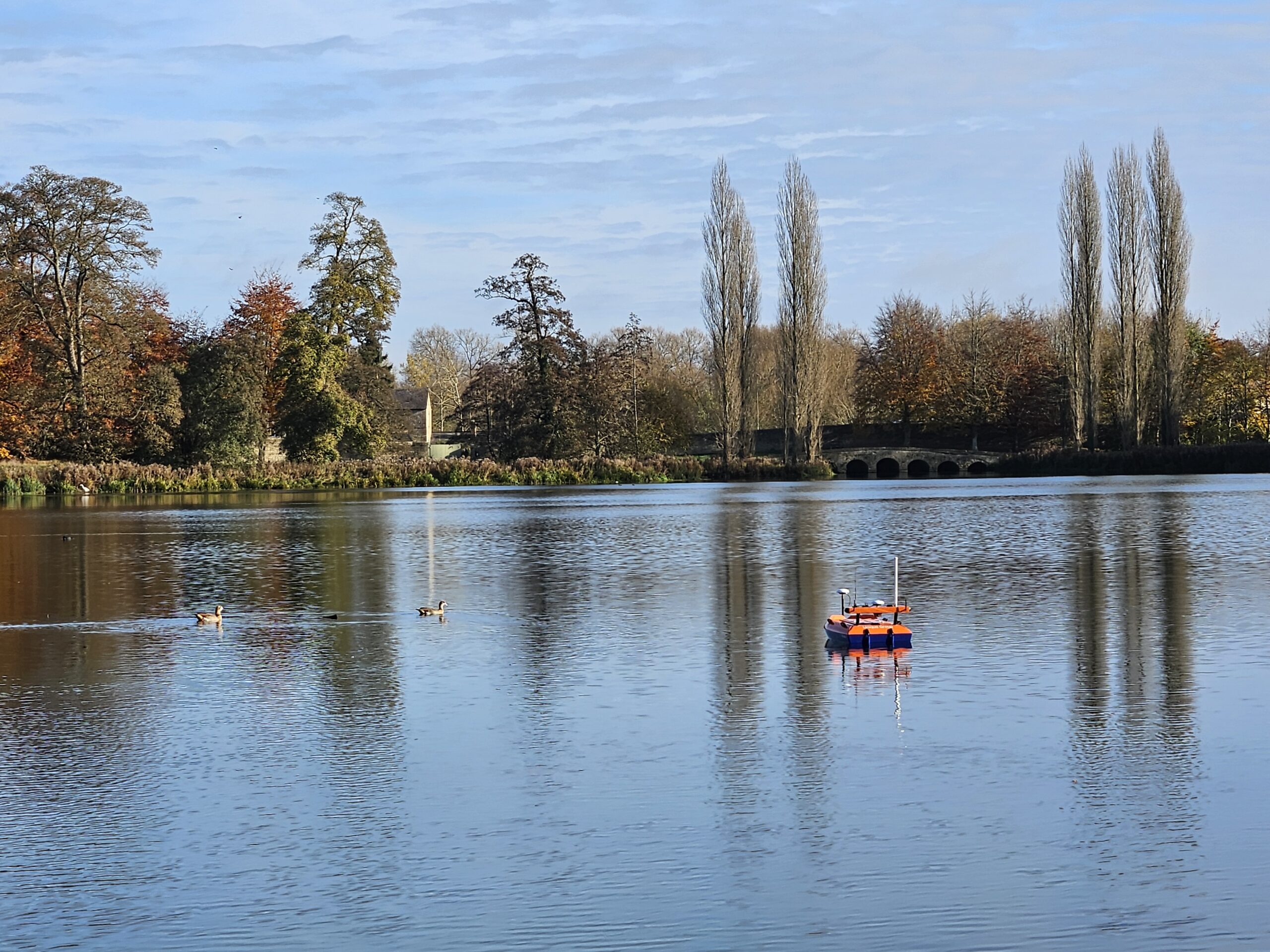
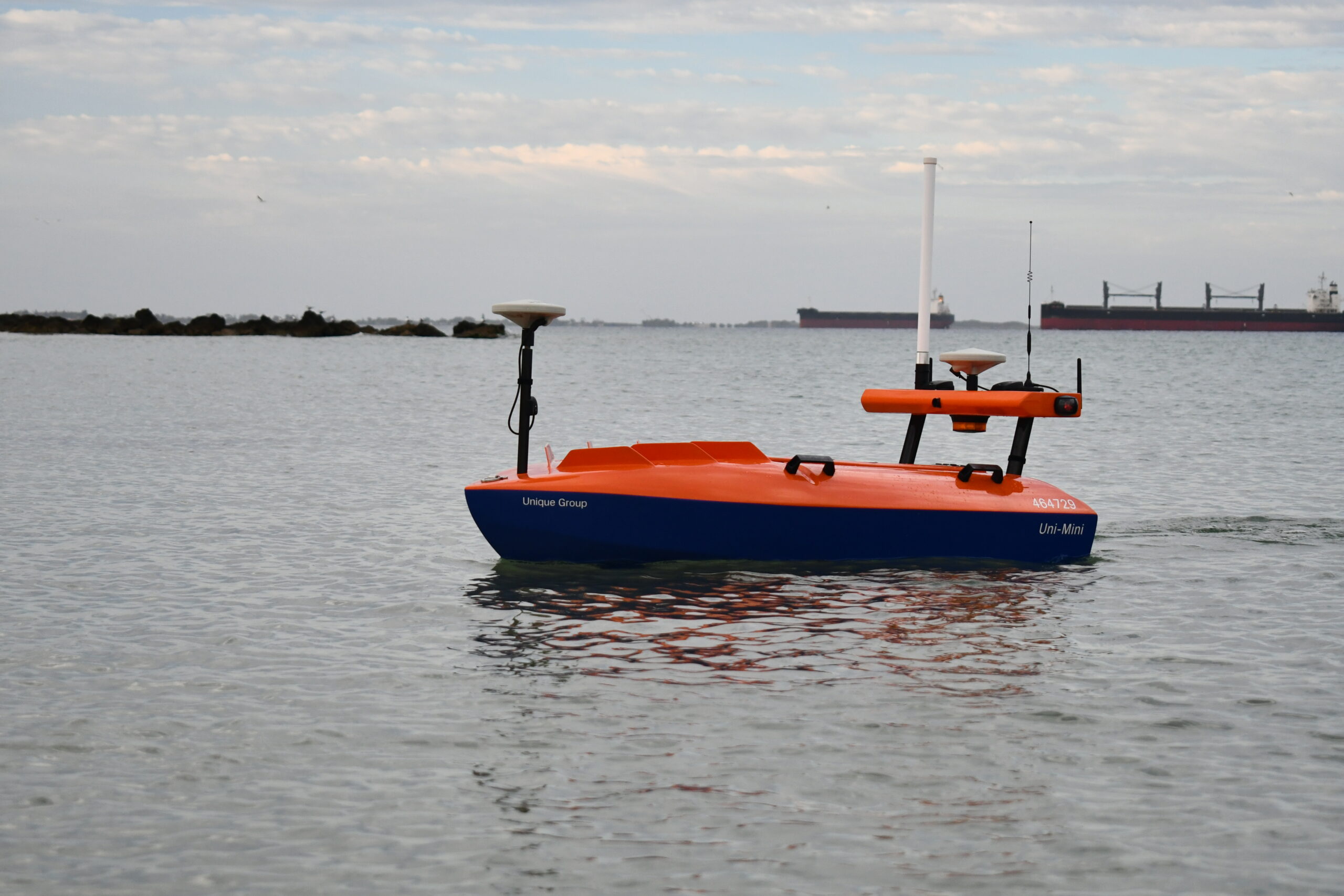
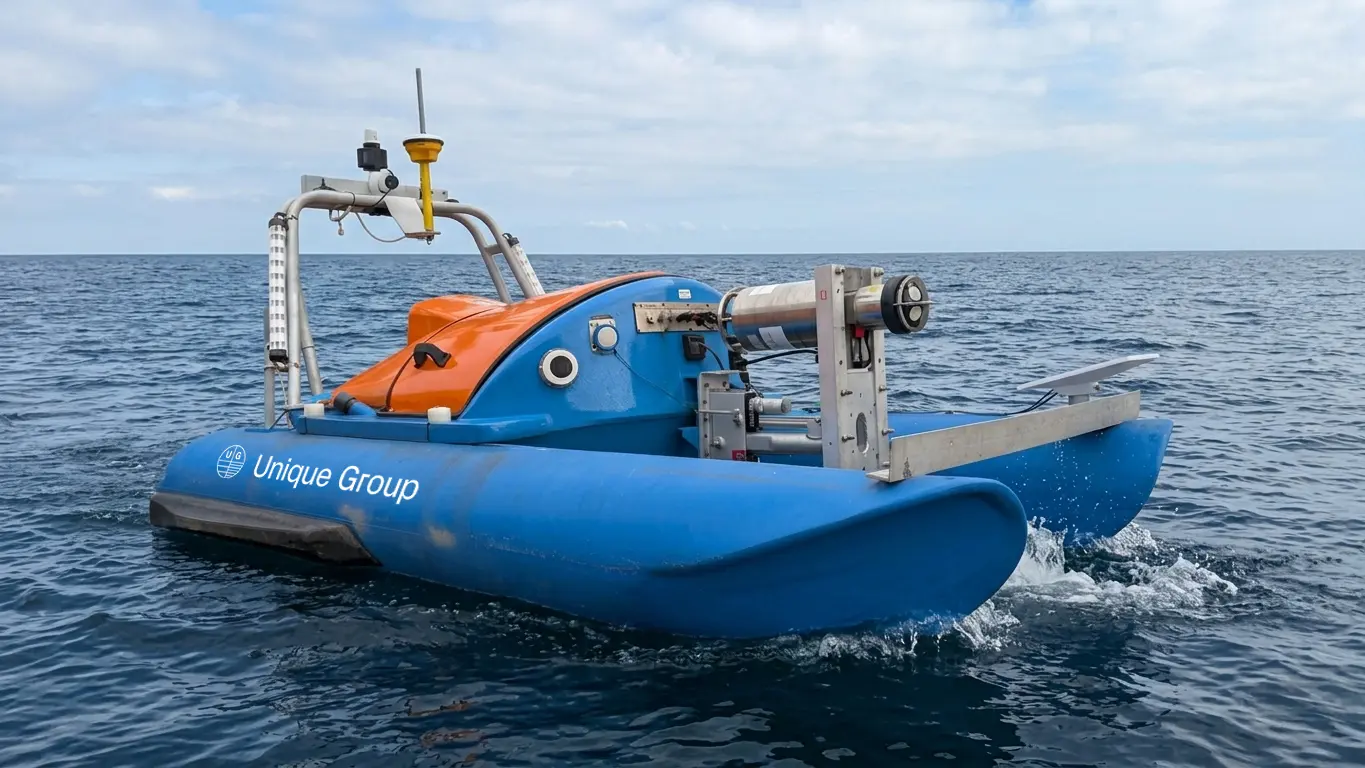
Unique has developed an in-house capability to carry out ROVINS/DVL calibration using an electrically powered USV.
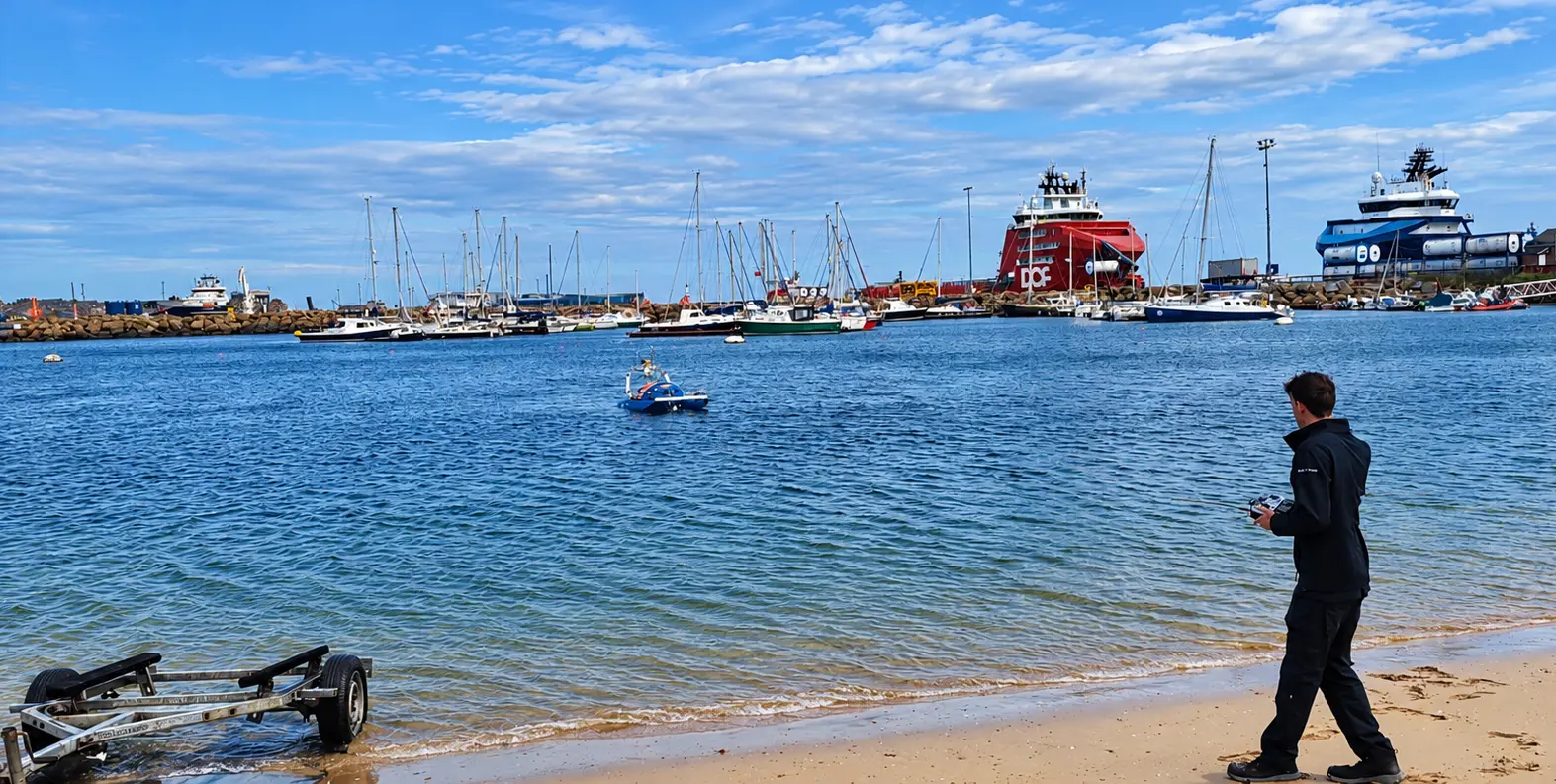
Instead of relying on the availability of a separate small vessel, the calibration can be scheduled using Unique’s own USV, providing greater flexibility and control over when the work is carried out.
The approach also reduces the operational requirement for personnel to be onboard the vessel during the calibration activity.
From an environmental perspective, using an electrically powered USV provides an alternative to a conventional diesel-powered vessel for the calibration operation.
How the Calibration Works
The ROVINS/DVL system is securely mounted on the USV before being deployed on the water.
The calibration process follows a structured sequence:
- Static alignment: Following deployment, an initial static alignment is completed to establish the starting reference between the INS and DVL.
- Dynamic alignment: The USV then performs controlled manoeuvres, including figure-eight patterns. These movements allow the system to establish the dynamic relationship between the INS and DVL and determine the required alignment corrections.
- Calibration run: Once fine alignment has been established, a dedicated calibration run is completed.
- Verification run: A subsequent verification run is performed to check the calibration results and verify that the required alignment has been achieved.
The result is a calibrated ROVINS/DVL system that can be integrated and prepared for subsea operations.
What Makes the Approach Different?
The key difference is control. Using an in-house USV reduces dependence on the availability of a traditional vessel and gives Unique greater control over the calibration schedule.
This creates greater flexibility both for Unique’s rental fleet and for customers requiring calibration of their own equipment.
Rather than coordinating equipment availability around a third-party vessel, the calibration activity can be planned around the operational requirement.
Customer Benefits
- Greater equipment availability: The capability supports improved availability of calibrated ROVINS/DVL systems within Unique’s rental pool, helping equipment be prepared for deployment more efficiently.
- Scheduling flexibility: Using a dedicated, in-house USV means calibration is less dependent on the availability of a traditional vessel.
- Potentially shorter lead times: Greater control over scheduling can help reduce delays associated with securing a suitable vessel when customer-owned ROVINS/DVL equipment requires calibration.
- Reduced personnel requirements: The USV-based approach removes the need for personnel to be onboard the vessel during the calibration operation, reducing the associated operational requirements.
- A more efficient vessel alternative: The electrically powered USV provides an alternative to a conventional diesel-powered vessel, removing the requirement for diesel fuel during the calibration activity.
- Proven Calibration Expertise: Unique Group brings extensive experience in conducting ROVINS/DVL calibrations using conventional survey boats, having successfully performed numerous calibrations. Customers benefit from a team that understands the technical requirements of the process and is focused on delivering reliable, calibrated systems ready for subsea operations.
Supporting Deployment Readiness
Calibration is an important step in ensuring that navigation equipment is properly integrated before it is put to work.
By bringing ROVINS/DVL calibration in-house and combining its navigation expertise with its own USV capability, Unique has greater control over the process from equipment preparation through to verification.
The result is a more flexible approach to calibration, designed to improve equipment availability and responsiveness while helping customers get their ROVINS/DVL systems ready for subsea operations.
Currently, the capability is available for ROVINS/DVL calibration, with the potential to extend the approach to other equipment in the future.