A Launch and Recovery System that has been in service for ten or fifteen years rarely fails all at once. It shows up first as more frequent hydraulic top-ups, then a control panel that needs restarting mid-dive, then a class surveyor flagging a component past its design life. At that point the question is not whether to act, but whether to refurbish the system or replace it outright.
This guide covers what LARS refurbishment involves, how to recognise when a system needs it, and how to weigh refurbishment against a new build. This is especially relevant for work-class ROV operators, where the LARS is inseparable from the ROV system it deploys.
Key Takeaways
- LARS refurbishment covers seven areas: structural integrity, corrosion protection, hydraulic and mechanical systems, electrical and control upgrades, winch and umbilical handling, system modernisation, and testing and certification
- Refurbishment is generally faster and lower cost than a new build, provided the structural frame is sound
- Refurbished systems are re-certified through FAT, proof load testing, and third-party certification (DNV, ABS, Lloyd’s Register)
- Replacement is the better option when structural damage exceeds economic repair, or operational requirements have changed (higher SWL, different vessel, new class notation)
What LARS Refurbishment Involves
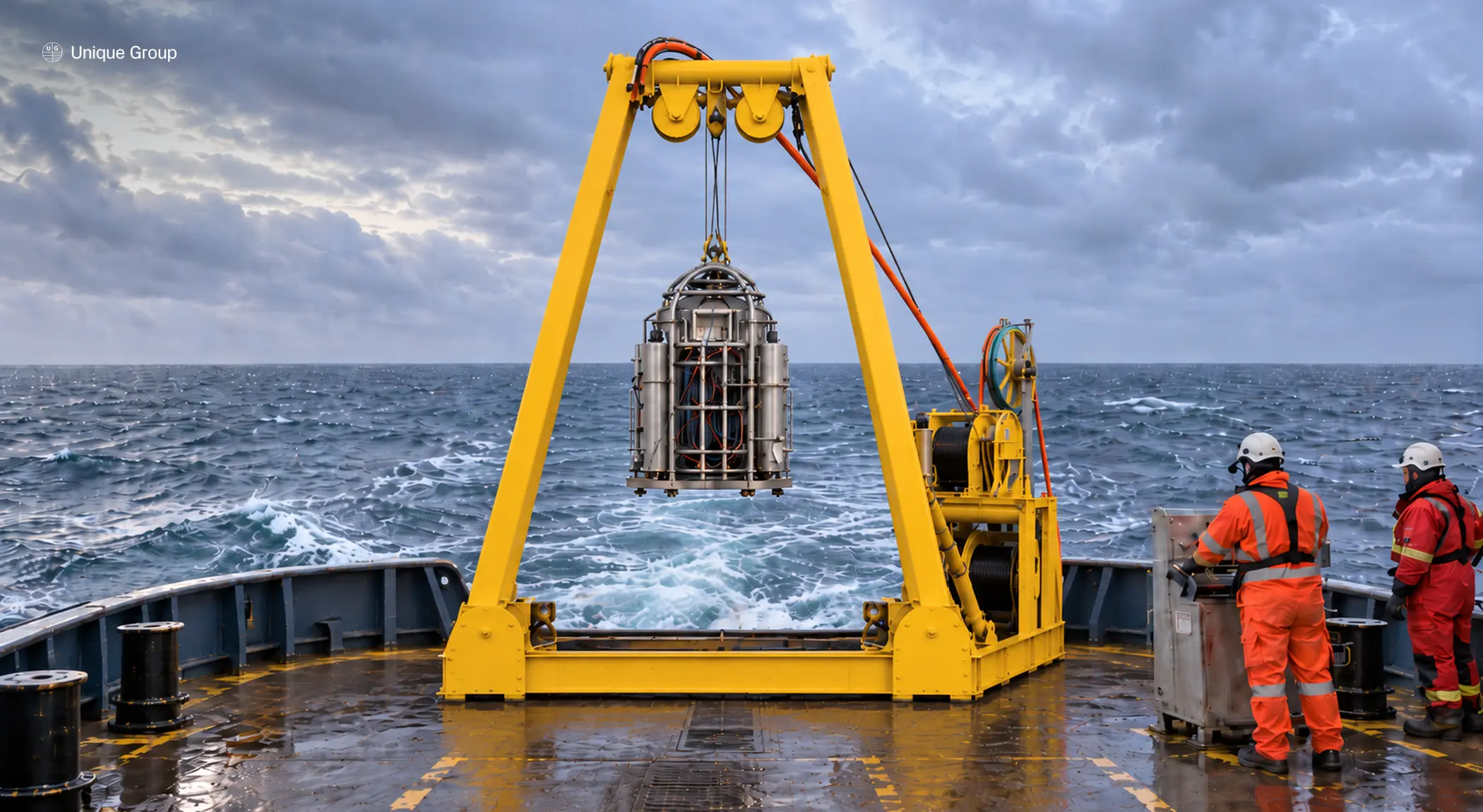
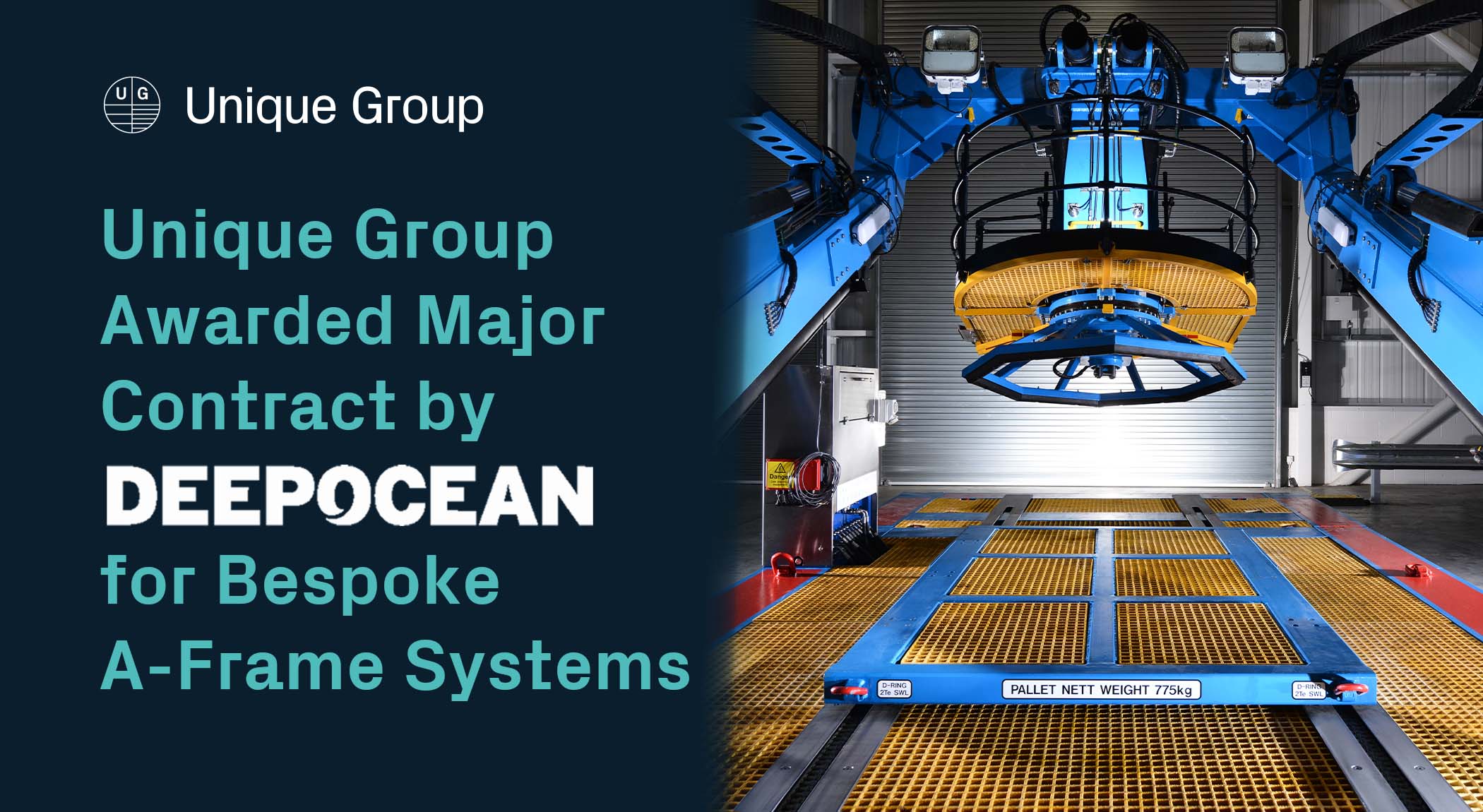
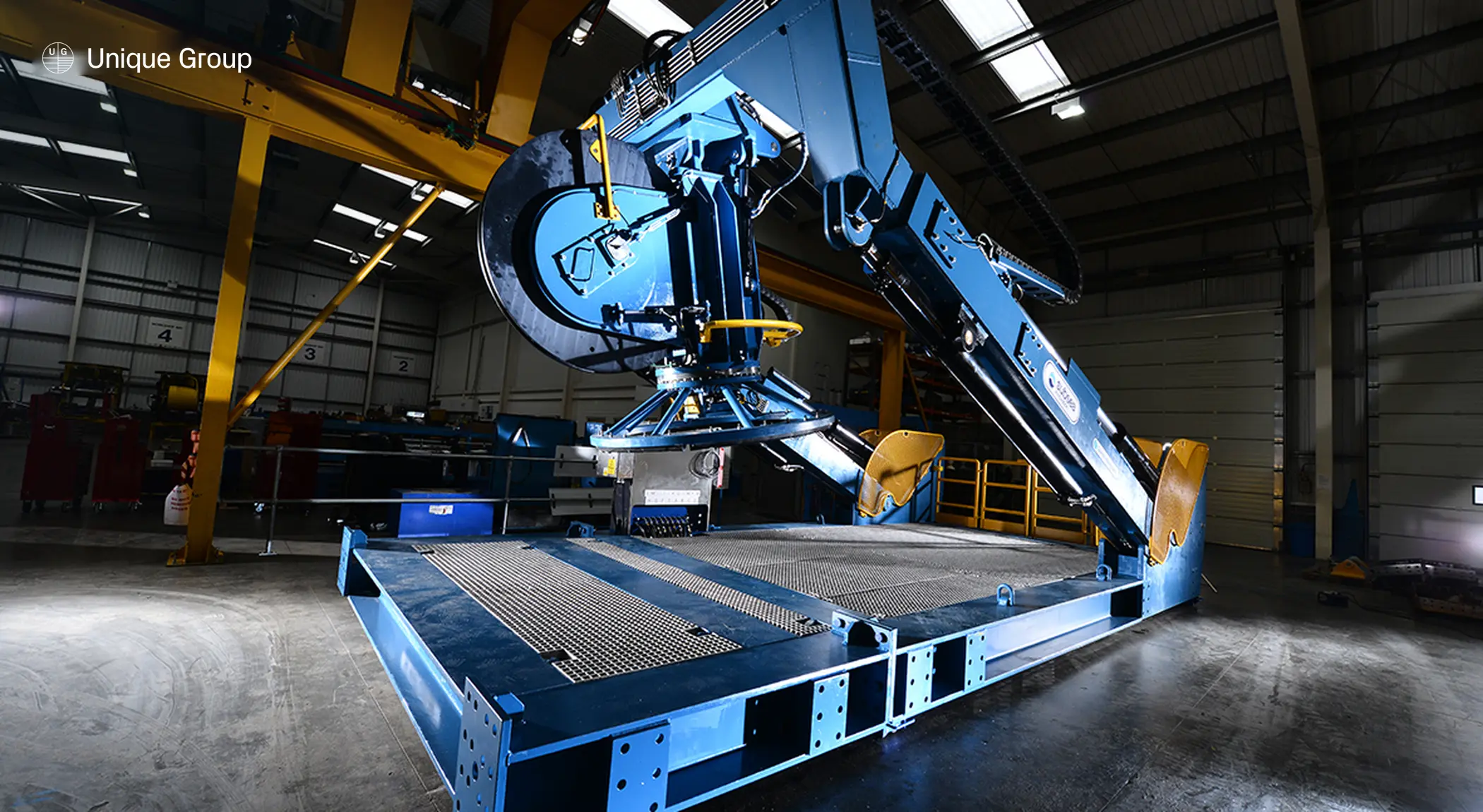
LARS refurbishment restores an aging Launch and Recovery System to full operational condition, and in most cases upgrades its control and safety systems beyond the original specification. For a WorkClass ROV LARS, the work typically spans seven areas:
- Structural integrity assessment: inspection, non-destructive testing (NDT), weld repair, and replacement of worn pins, bearings, and bushes
- Corrosion protection through abrasive blasting and reapplication of offshore-grade coating systems
- Hydraulic and mechanical overhaul of cylinders, hydraulic power units (HPUs), manifolds, hoses, slew drives, sheaves, and wire rope
- Electrical and control system upgrades: PLCs, operator consoles, sensors, limit switches, and cable management
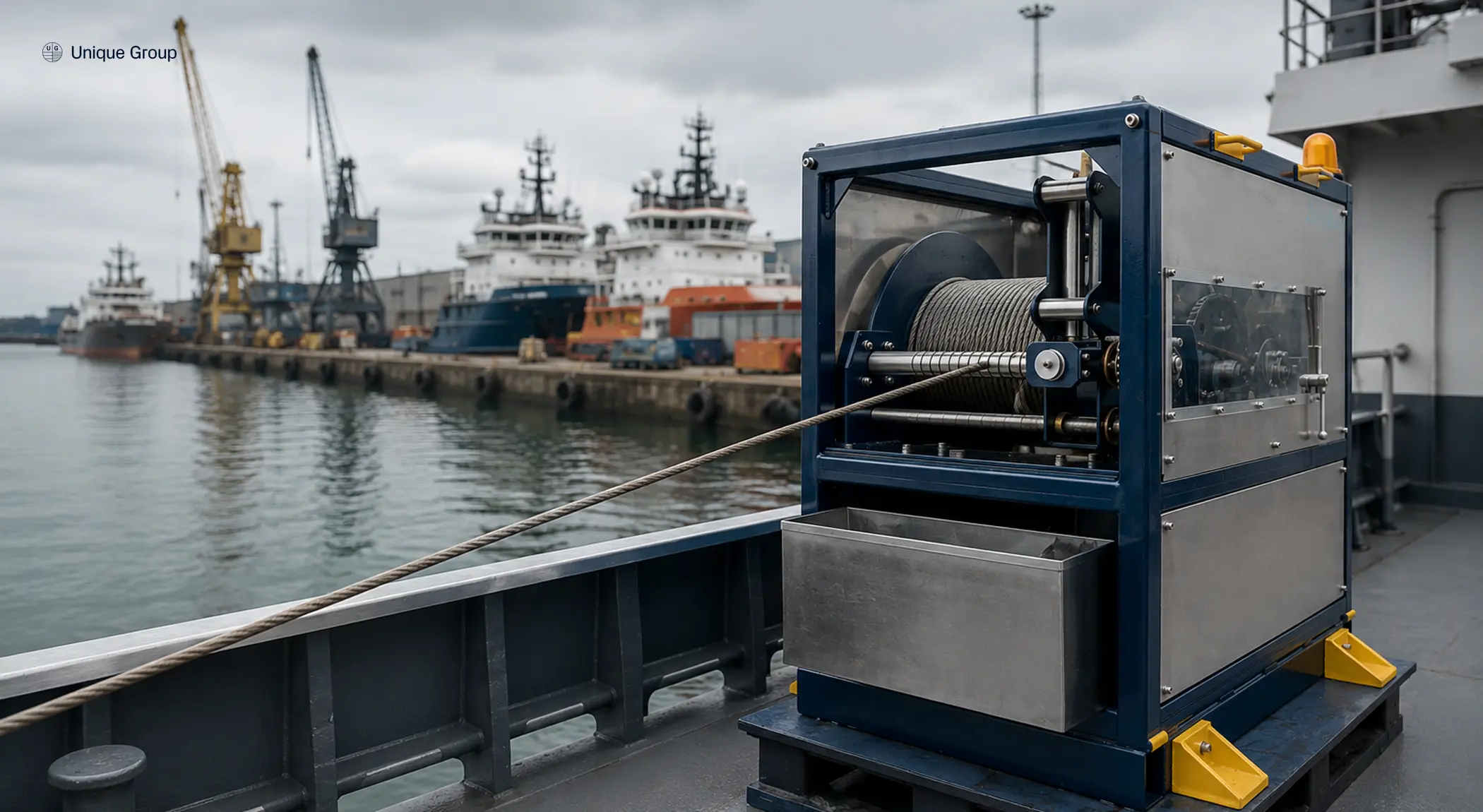
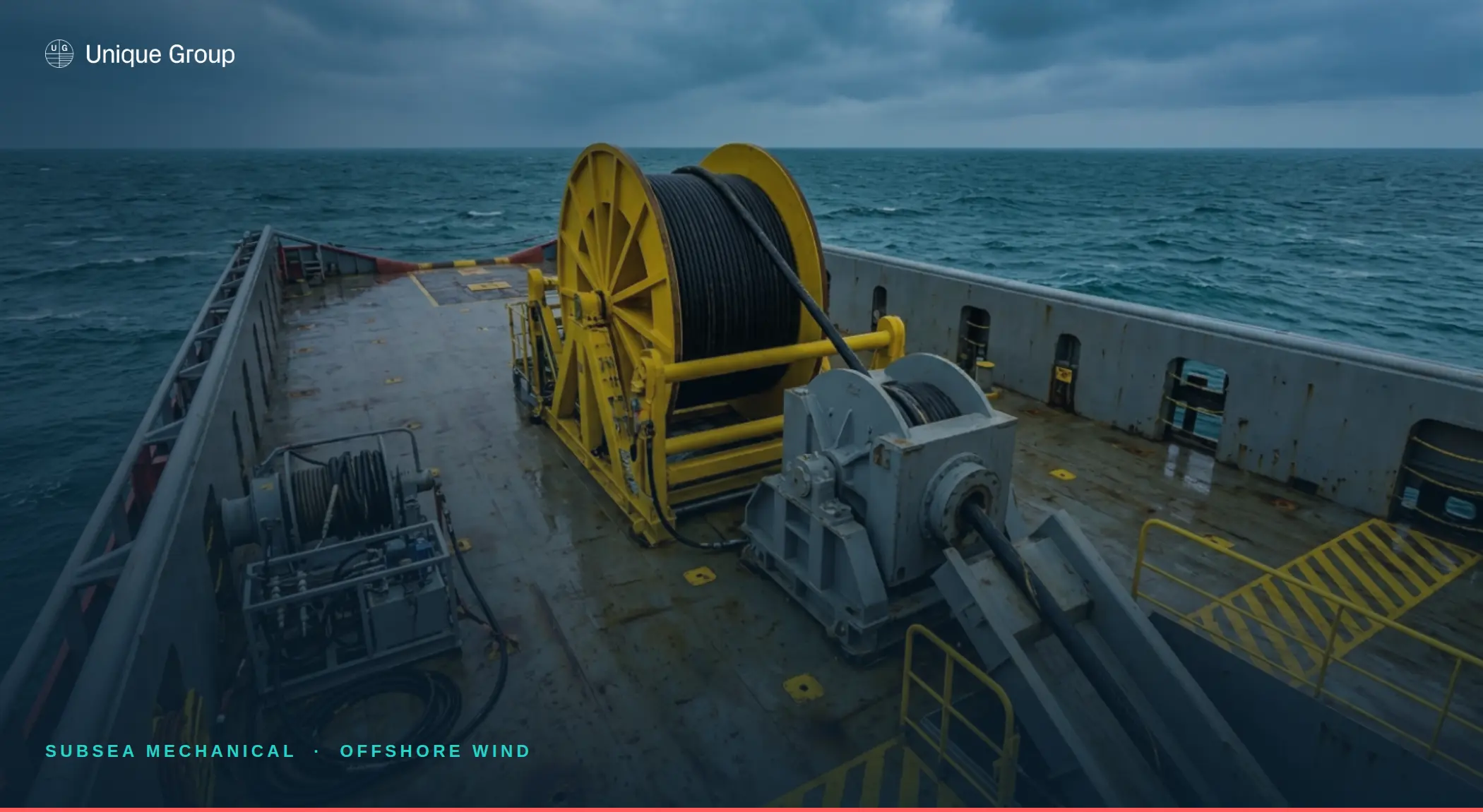
- Winch and umbilical handling systems, including traction and storage winches, level-wind systems, and Tether Management Systems (TMS)
- System modernisation covering Active Heave Compensation (AHC), load monitoring, remote monitoring, and safety interlocks
- Testing and certification: Factory Acceptance Testing (FAT), proof load testing, commissioning, and third-party certification to DNV, ABS, or Lloyd’s Register
Signs Your LARS Needs Refurbishment
A LARS rarely announces that it needs attention. Watch for these indicators instead:
Hydraulic leaks or pressure loss that recur despite repeated servicing
Structural wear at pins, bushes, or weld points identified during routine inspection
Control systems that are unreliable, slow to respond, or no longer supported by the original manufacturer
Certification or class survey findings that flag components approaching end of design life
Increasing downtime or maintenance cost relative to the system’s operational output
Any one of these on its own may just mean a repair. Several together usually mean it is time to assess the whole system.
Refurbish vs. Replace: Making the Decision
Refurbishment and new build both restore a LARS to full working order, but they suit different situations.
| Factor | Refurbishment | New Build |
|---|---|---|
| Cost | Generally lower, especially where the structural frame is sound | Higher upfront capital cost |
| Lead time | Shorter, since major structural components are reused | Longer, full design and fabrication cycle |
| Asset life extension | Extends service life by years, depending on condition | Resets service life from zero |
| Certification | Reset through FAT, proof load testing, and third-party certification | Certified as new |
| Best suited to | Structurally sound systems with outdated hydraulics, electrics, or controls | Systems with structural damage beyond economic repair, or a change in operational requirement (higher SWL, different vessel, new class notation) |
The right choice depends on the condition of the existing structure and what the operation actually needs going forward. A structural survey is the starting point either way.
Our Approach to LARS Refurbishment
Unique Group has delivered more than 150 launch and recovery systems for ROVs, trenchers, and subsea vehicles over 33 years, designed, built, and tested in-house to DNVGL, Lloyd’s Register, BV, ISR, and RINA standards.
Refurbishment work is carried out to restore the system to its original design specification, or to an upgraded specification where the client’s operational requirements have changed, followed by FAT and load testing to confirm the system performs as required.
Applications
LARS refurbishment supports WorkClass ROV operations across oil and gas, offshore renewables, defence and naval, and subsea survey work, wherever an operator needs to extend the working life of an existing system rather than commit to a full replacement.
Speak with our subsea mechanical specialists to discuss your project requirements.