A diving life support system is the combination of breathing-gas supply, pressure-control, decompression and recompression equipment, environmental-control systems, and associated equipment required to support divers safely during an underwater operation.
The exact system configuration depends on the diving mode, operating depth, duration, number of personnel, deployment method and the regulatory, classification and project requirements that apply.
This guide explains the main components of commercial diving life support systems, the equipment used alongside them, and the key factors to consider when specifying a system for a project.
Key takeaways
- A diving life support system provides the breathing-gas, pressure-control and environmental infrastructure required to sustain divers during an operation.
- Commercial diving systems can be configured for surface-supplied air, nitrox or other mixed-gas operations, or for closed-bell and saturation diving, with the choice driven by depth, duration and operational requirements.
- Diver personal equipment, communications, umbilicals, chambers and launch-and-recovery equipment need to be compatible with the wider diving system and are often part of the same specification and assurance scope.
- Specifying a system starts with diving mode, depth and duration, then moves to personnel capacity, deployment format, interfaces and certification requirements.
What is a Diving Life Support System?
At its core, a diving life support system provides the breathing gas, pressure control and environmental conditions needed to sustain divers safely during underwater operations.
Where the system’s boundary sits depends on its configuration, the project scope and the standards being applied. Diver umbilicals, communications, personal equipment, chambers, bells and launch-and-recovery equipment often form part of the wider diving-system specification, rather than sitting as entirely separate systems.
The distinction matters because “life support” is often used broadly. A diving system works as an integrated arrangement, where breathing-gas supply, environmental control, communications, personal equipment and handling systems all have to function together safely.
Core life support components
These are the systems responsible for providing breathing gas, controlling pressure and maintaining a safe environment for divers.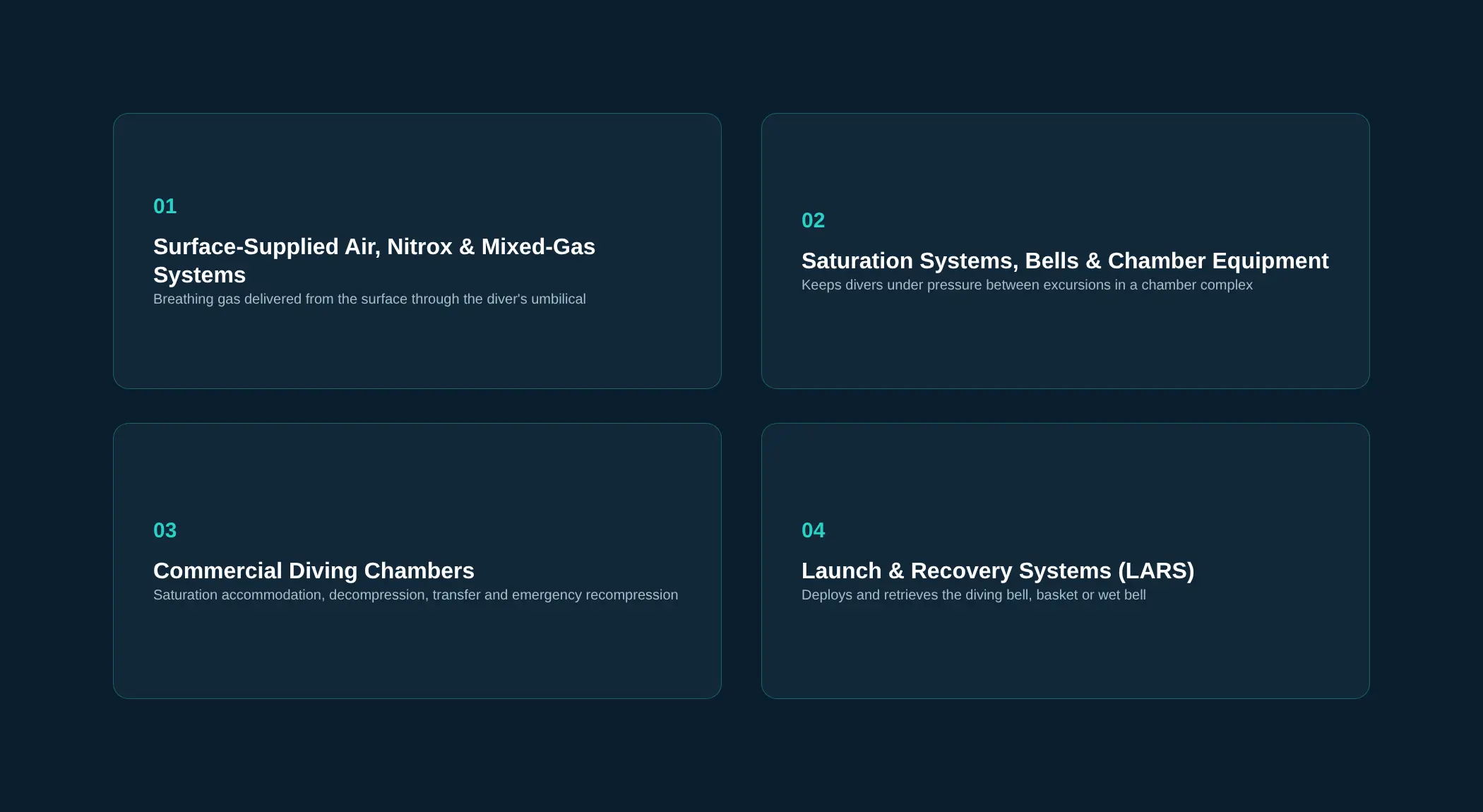
Surface-supplied air, nitrox and mixed-gas systems
In surface-supplied diving, breathing gas is supplied from the surface through an umbilical rather than carried as the diver’s primary gas supply.
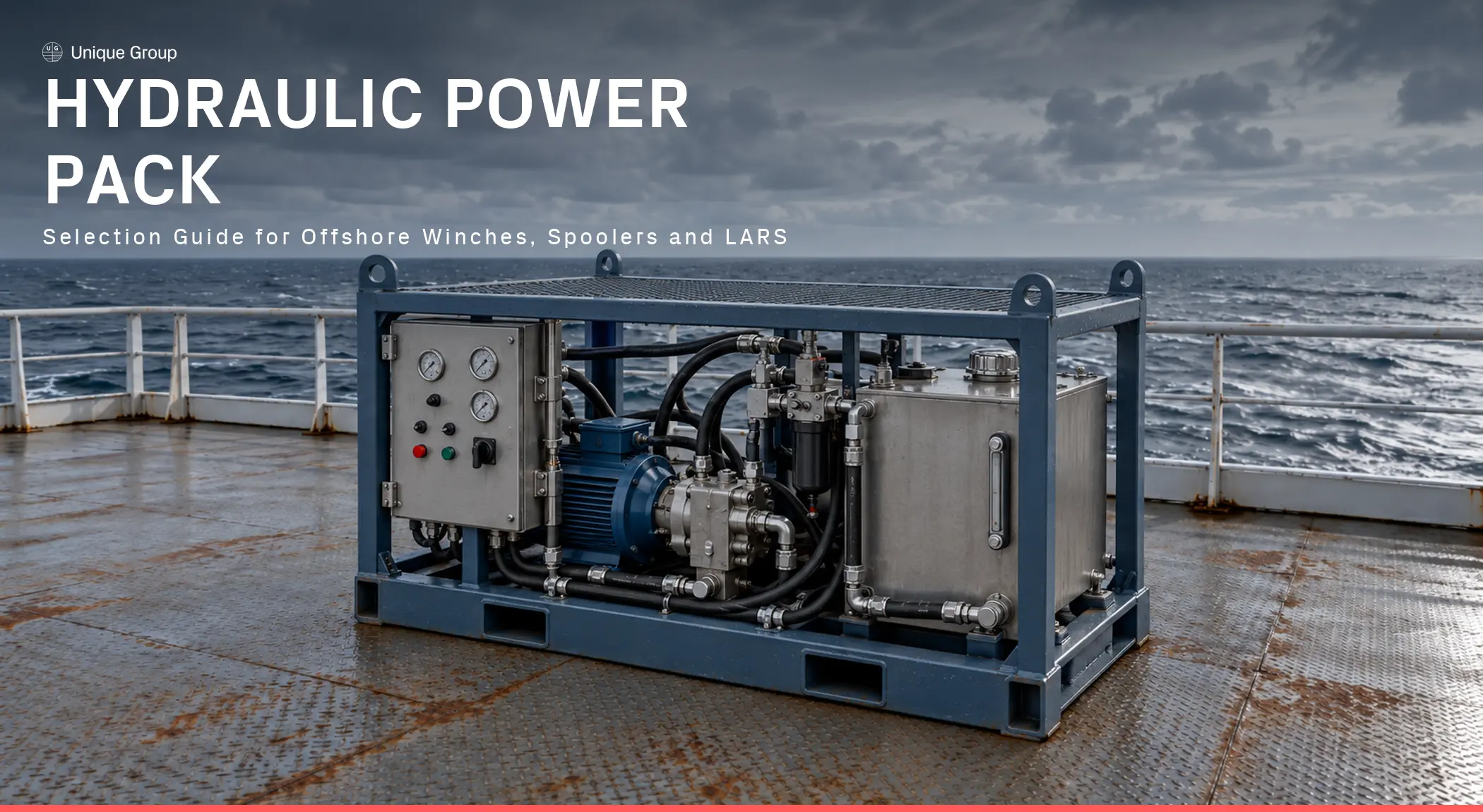
The breathing medium may be air, nitrox or another suitable gas mixture, chosen according to operating depth and project requirements. The surface supply arrangement typically includes compressors, high-pressure gas storage, gas-control panels, filtration, monitoring equipment and emergency gas supplies.
The diver’s umbilical connects the surface system to the diver and can carry breathing gas, communications and other services the operation needs.
Saturation systems, bells and chamber equipment
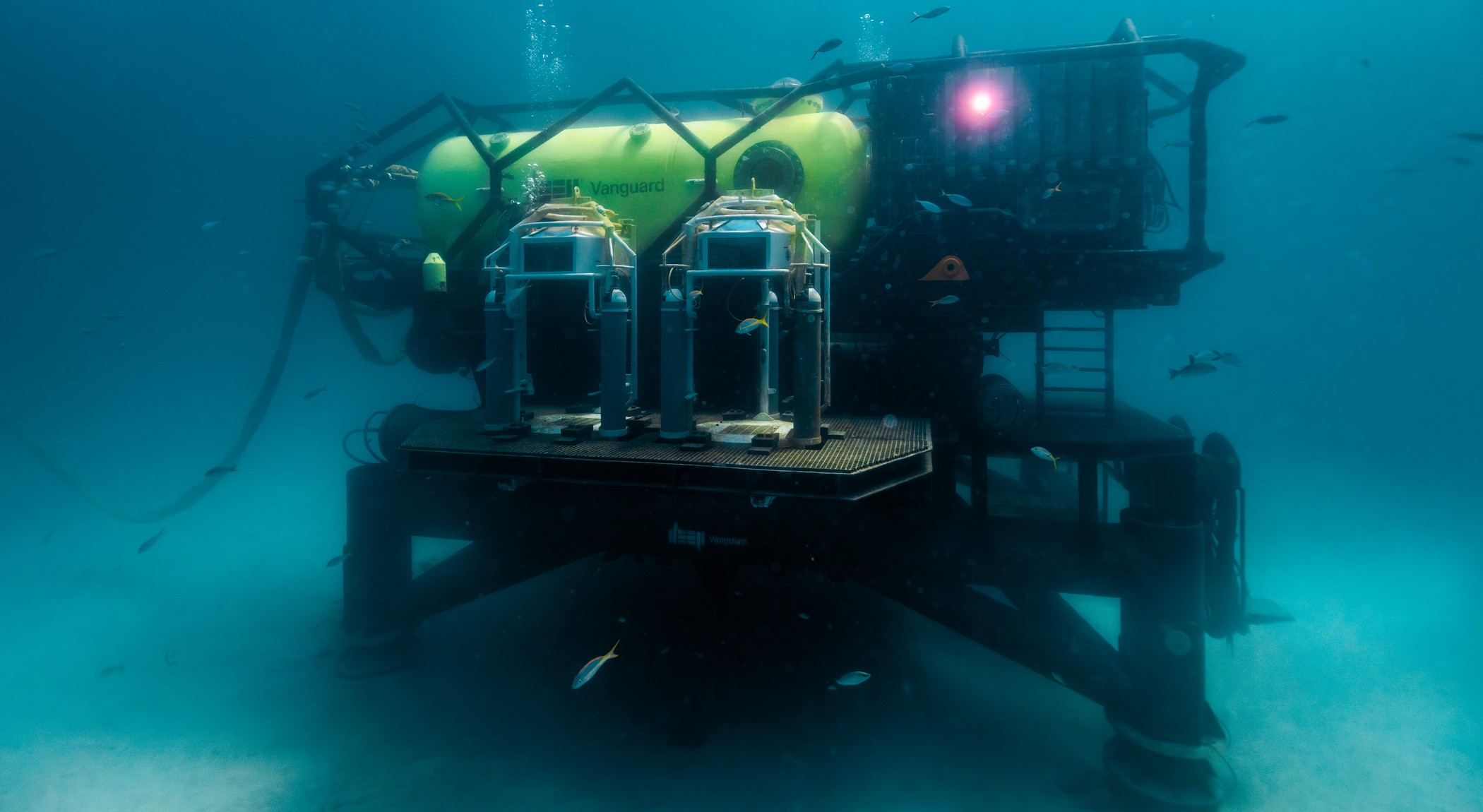
For deeper or longer-duration work, saturation diving systems let divers remain at an elevated pressure between individual excursions, rather than decompressing after each dive.
Divers typically live within a pressurised chamber complex and travel to and from the worksite in a closed diving bell. A complete saturation system therefore needs breathing-gas management, environmental control, pressure-control systems, chambers, a diving bell and the supporting equipment required to sustain personnel under pressure.
This avoids repeated decompression between individual working excursions, though divers still complete a final controlled decompression at the end of the saturation period.
Commercial diving chambers
Commercial diving chambers perform different functions depending on the diving mode and system design.
These include saturation accommodation, surface decompression, transfer under pressure, and emergency recompression or treatment. A chamber’s configuration, pressure rating, life-support capacity and certification requirements need to match its intended role.
Launch and recovery systems
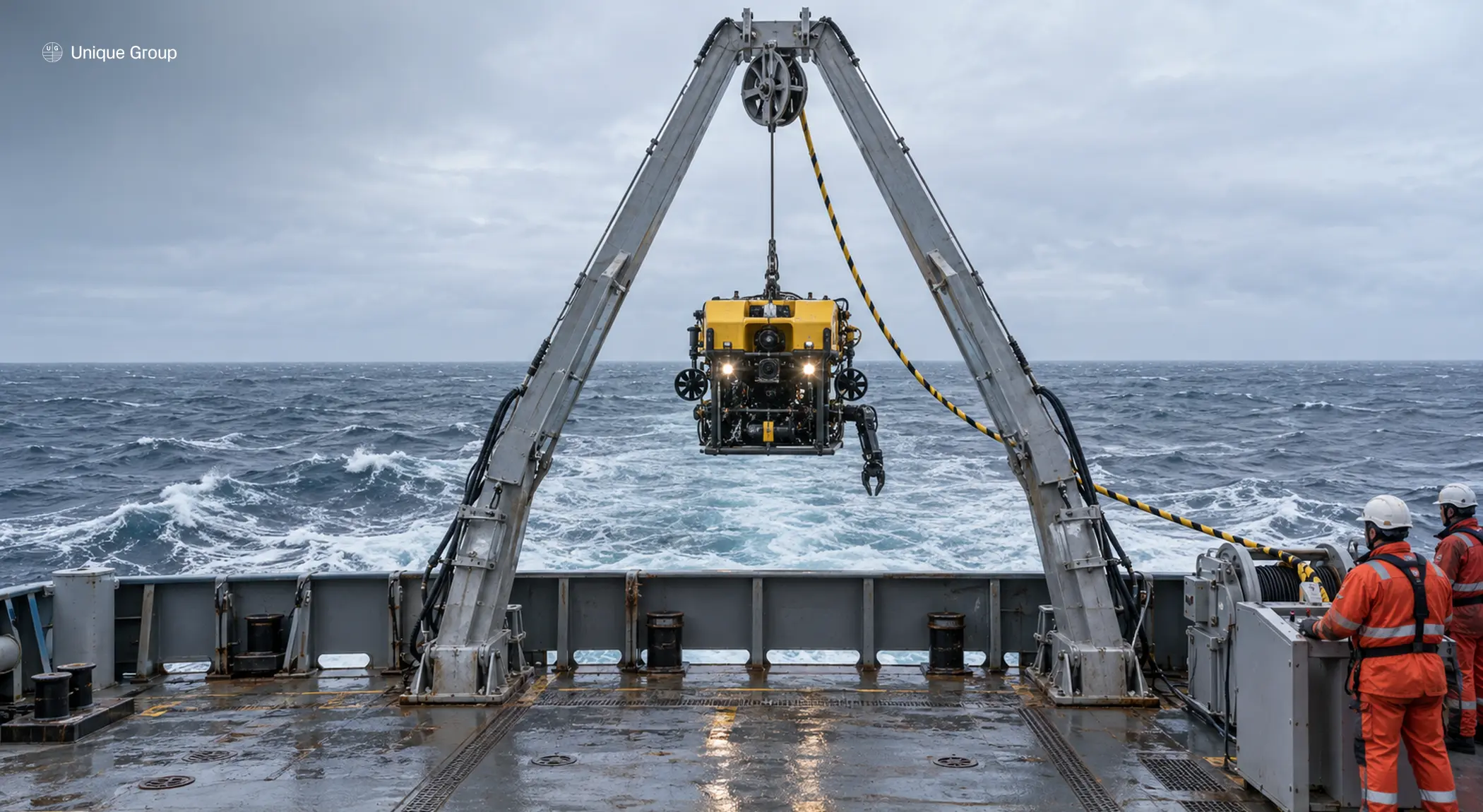
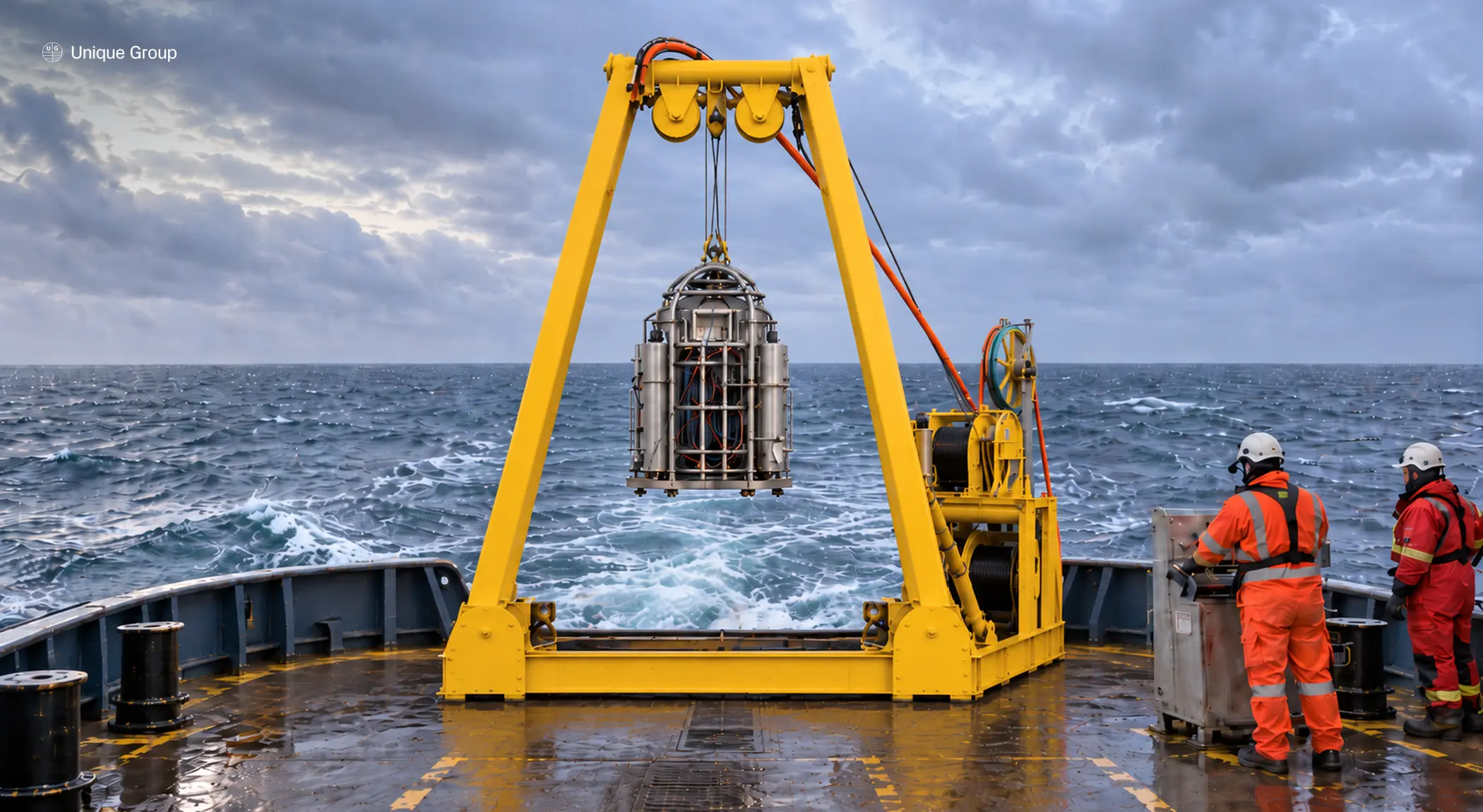
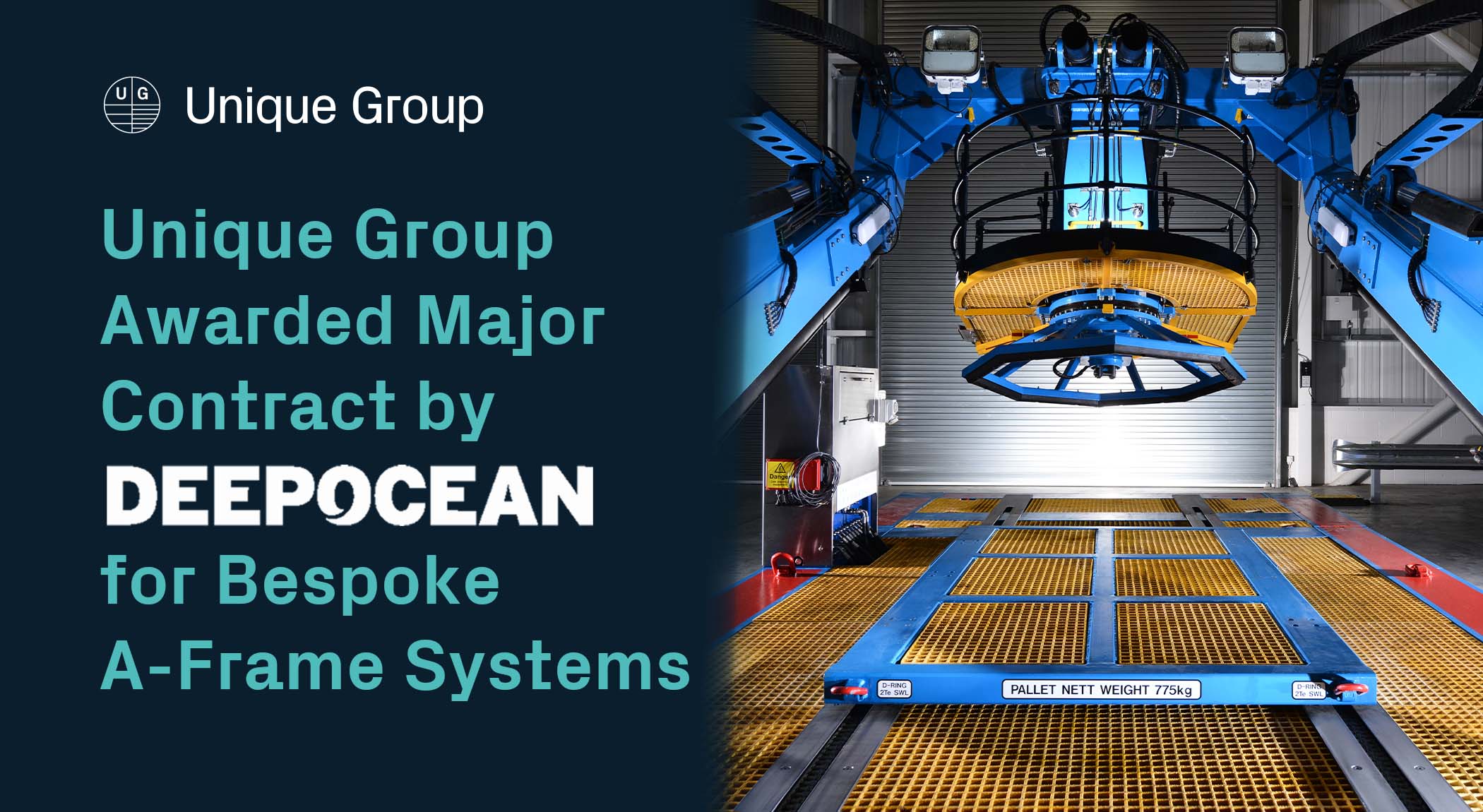
A launch and recovery system (LARS) deploys and retrieves a diving bell, wet bell, basket or other diver deployment system.
Its primary function is mechanical handling rather than breathing-gas life support, but it remains an integral part of the wider diving system. Its safe working loads, redundancy, interfaces and inspection or certification requirements need to be considered alongside the rest of the system, not specified in isolation.
Diver equipment and personal equipment
The equipment worn or used directly by the diver has to be compatible with the wider life-support and communications arrangement.
Diving helmets
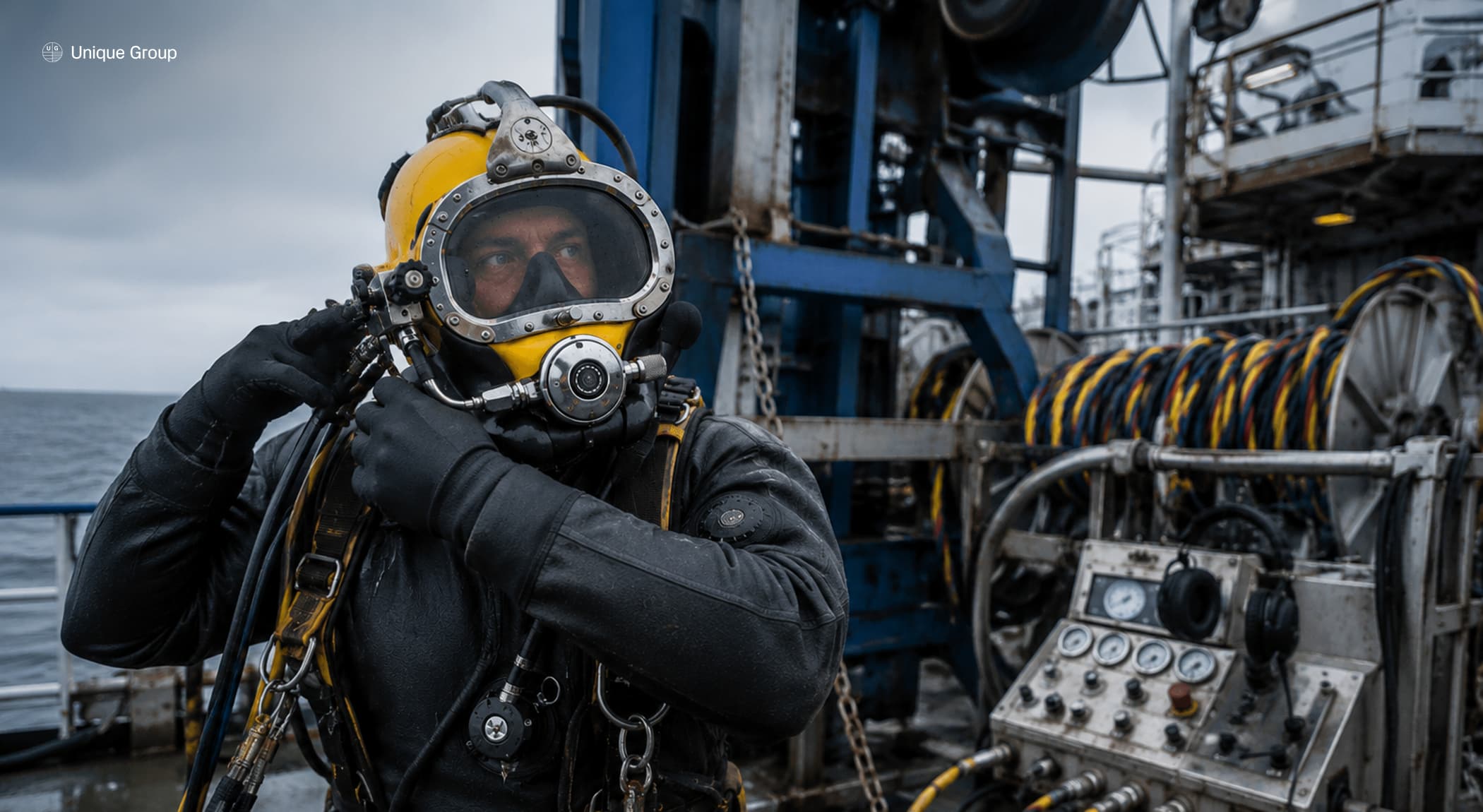
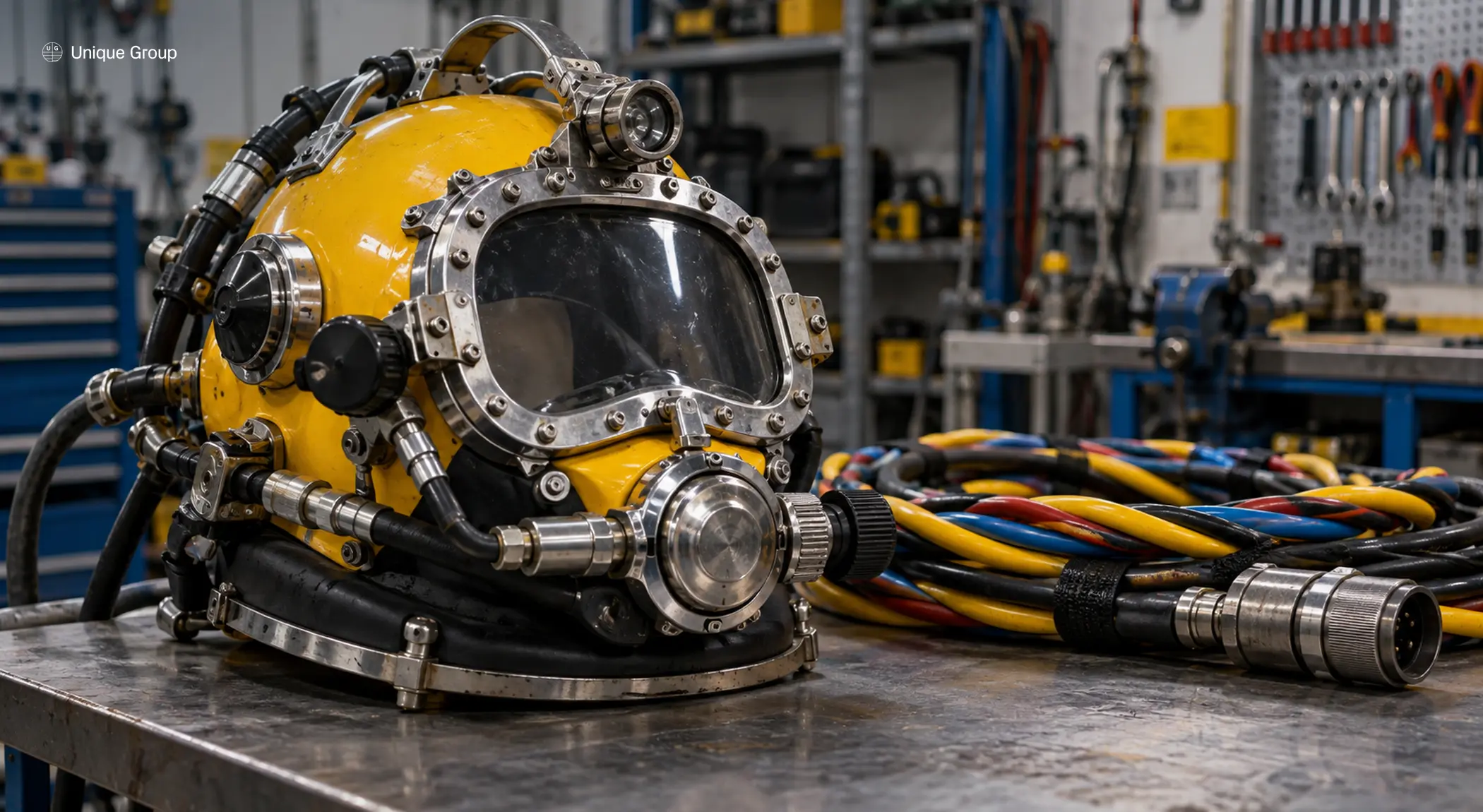
A commercial diving helmet is the diver’s interface with the breathing-gas and communications system. The Kirby Morgan 37 is one of the most widely used helmets for surface-supplied commercial diving.
Its pressure, gas-flow, communications and connection requirements have to be compatible with the rest of the diving system, and correct fit and maintenance matter just as much to safe operation.
Dry suits and masks
Thermal protection is selected according to water temperature, dive duration and operating conditions. Unique Group supplies a range of masks and helmets and dry suits for commercial diving applications, matched to the breathing-gas and communications arrangement and diving mode in use.
Communication and monitoring
Reliable communication is an essential part of the wider diving system.
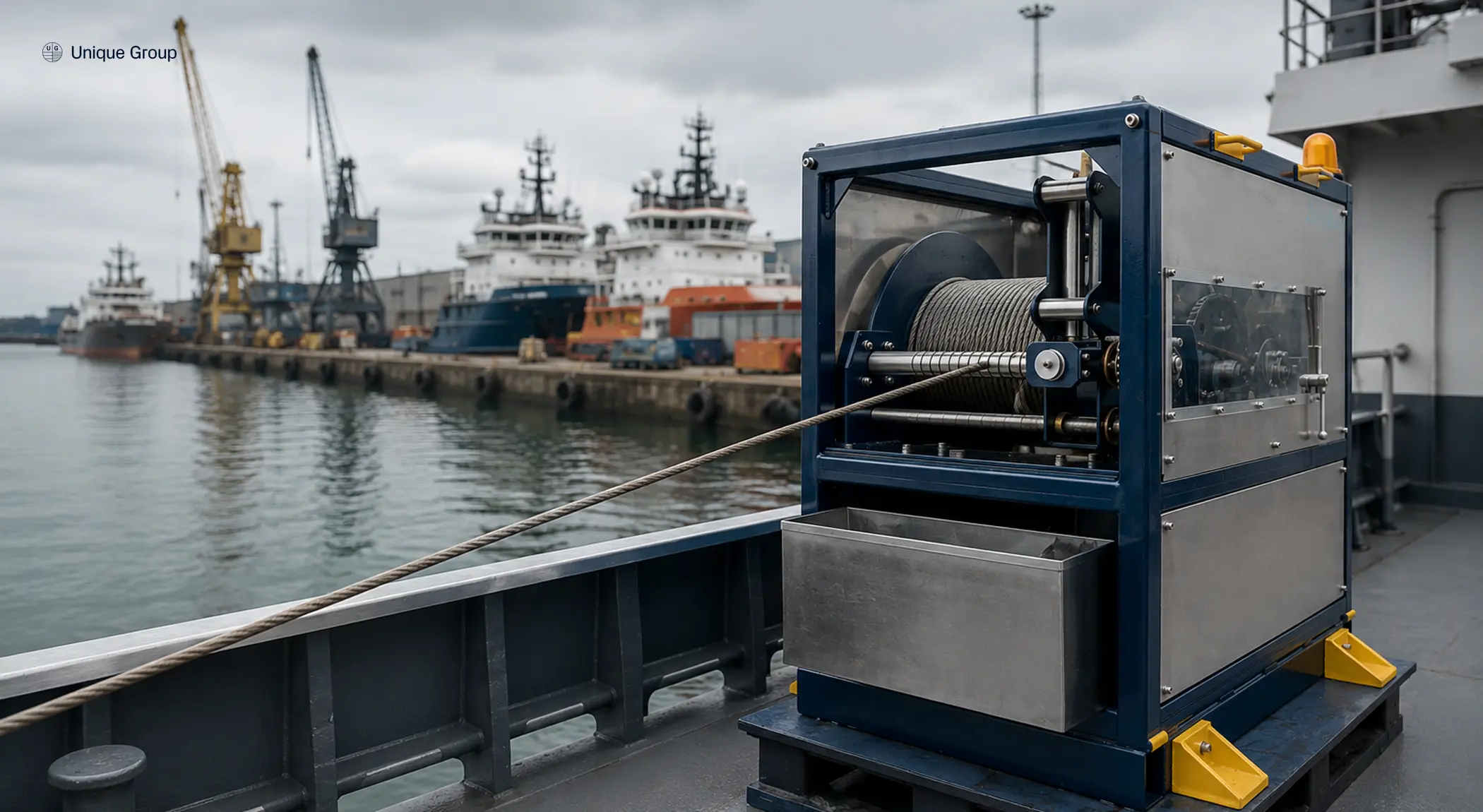
Surface-supplied divers are normally connected to dive control through the umbilical, which lets the surface team talk to the diver and monitor the operation as it progresses. UG supplies dedicated diver communication systems for this purpose.
Diving bells and hyperbaric chambers need their own communication systems for personnel under pressure, see chamber communication. Additional or backup methods, such as through-water communication, may be specified for divers out of direct line or as an emergency backup, depending on the diving mode and operating environment.
Communication equipment should be planned alongside the life-support arrangement from the outset, not added once the rest of the system is already specified.
Deployment formats
How the system will be mobilised and installed affects the final specification.
Containerised and mobile diving systems
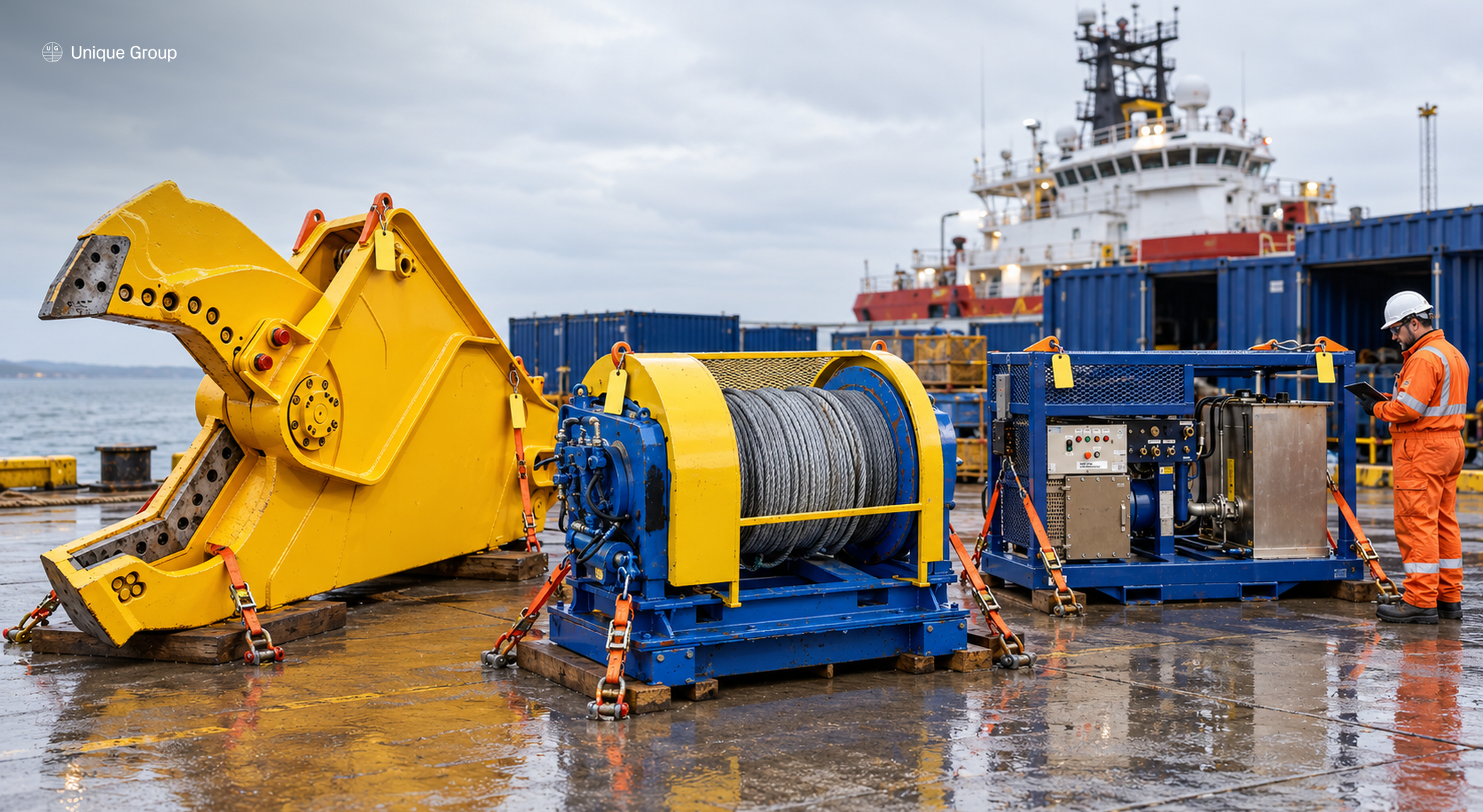
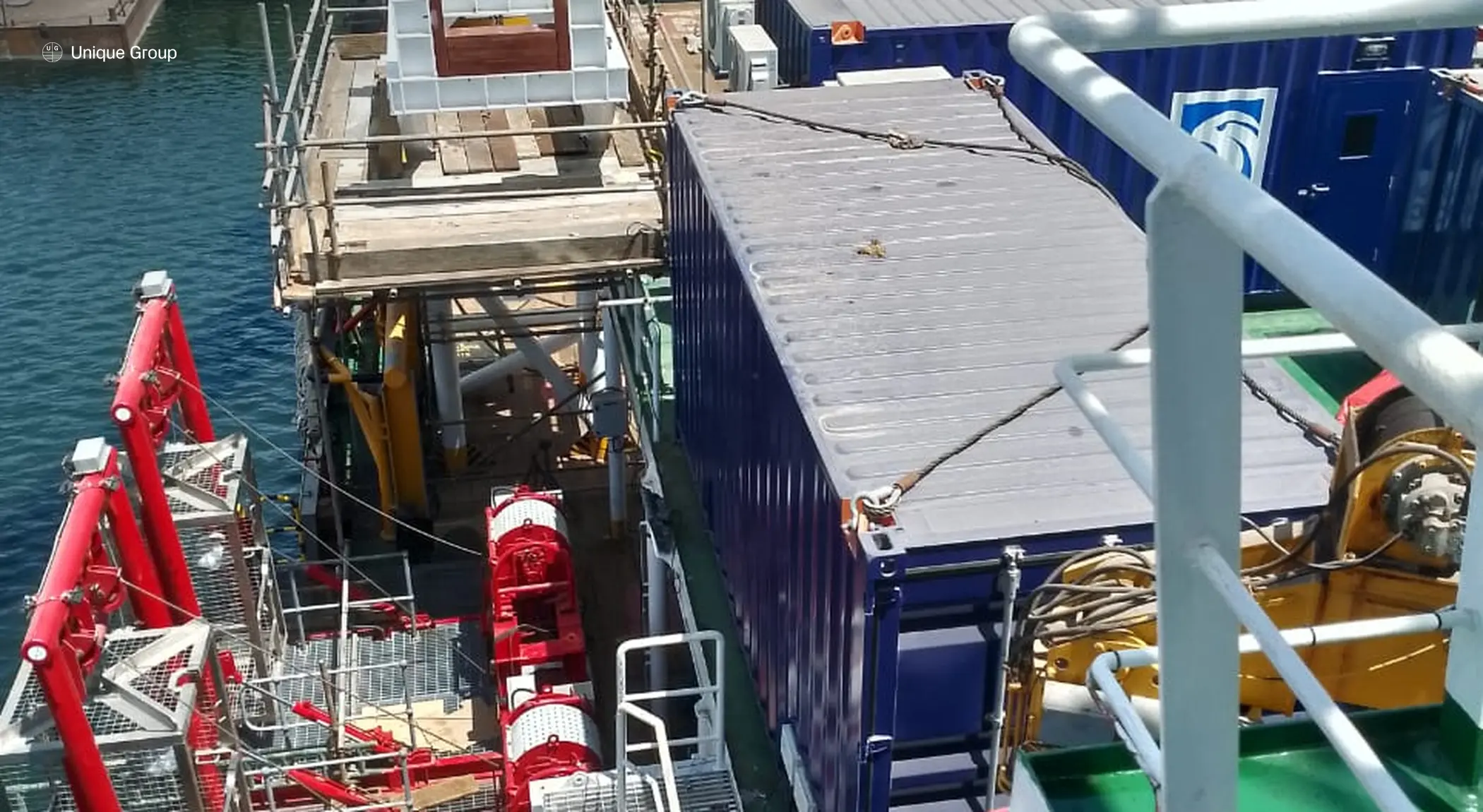
A containerised or skid-mounted diving system can be engineered for offshore lifting and transport, letting it move between vessels or project sites rather than staying fixed to one location.
This suits contractors running multiple projects, where a permanently installed system isn’t the right fit. The transport structure, lifting arrangement, interfaces and certification requirements need to be designed for the deployment environment in question — not assumed from a standard container.
Hyperbaric evacuation systems and SPHLs
Saturation diving systems also need a plan for emergency hyperbaric evacuation.
A self-propelled hyperbaric lifeboat (SPHL) is one type of hyperbaric rescue unit, designed to evacuate saturation divers while keeping them under pressure and providing continued life support during an emergency. UG’s broader specialised boats range covers related craft for diving support.
The right hyperbaric evacuation arrangement depends on the saturation system’s design, its operating location and the project’s specific requirements.
How to specify a diving life support system
System specification starts with the operational scope, not with picking individual pieces of equipment.
Dive mode
Work out whether the project calls for surface-supplied air, nitrox or mixed-gas diving, or a closed-bell/saturation system.
Surface-supplied techniques suit projects where the planned depth, duration and decompression requirements remain workable from the surface. Closed-bell and saturation techniques become the better fit once greater depth, longer exposure, or operational efficiency make repeated surface decompression impractical.
Depth and duration
Operating depth and expected dive duration shape almost every other part of the system — breathing-gas selection, decompression requirements, chamber capacity, gas storage, environmental control, and the diving method itself.
Personnel and chamber capacity
How many divers need supporting, and for how long, sets the required gas capacity, chamber capacity and life-support provision.
For saturation operations, it also determines the size and configuration of the pressurised living complex and the support systems around it.
Deployment format
Decide early whether the project needs a mobile or containerised system, a vessel-integrated installation, or a fixed facility. This shapes transportation, lifting arrangements, deck interfaces, utilities, structural integration and certification.
Certification and compliance
Commercial diving systems can involve a combination of classification-society requirements, industry guidance, client specifications and the legal requirements of the jurisdiction they’ll operate in. The applicable requirements depend on the diving system type, its intended use and project location.
Unique Group has delivered systems against project-specific requirements of exactly this kind. For Oceaneering’s field-life-extension project in Angola, Unique Group designed and supplied a 12-person Hyperbaric Rescue Facility and Life Support Package for diving operations to 300 metres, built to a modular design that could be adapted for future operational needs.
Common specification mistakes
- Treating “life support system” as a fixed boundary without defining what equipment the project scope actually includes.
- Choosing a diving mode before establishing operating depth, dive duration and decompression requirements.
- Underestimating chamber, gas-storage or life-support capacity for saturation operations.
- Leaving classification, regulatory or client requirements until late in the design process, when they can still change the physical system configuration.
- Specifying diver personal equipment, communications and core life-support equipment separately, without checking interface compatibility between them.
- Leaving vessel interfaces, lifting requirements, utilities and mobilisation constraints until too late in the specification process.
Specify your diving life support system with a specialist
A diving life support system is engineered around the operation, not picked off a shelf. Depth, duration, personnel numbers, deployment method, vessel interfaces and certification requirements all shape the final configuration.
Unique Group’s life-support engineering also extends beyond conventional commercial diving systems into specialised human-rated subsea applications. For MATSYA 6000, India’s manned submersible designed for operations to 6,000 metres, Unique Group delivered a DNV-compliant Human Support and Safety System for a three-person crew, including 96 hours of emergency endurance, developed with India’s National Institute of Ocean Technology.
Browse the full diving and life support equipment range or see our solutions for diving and life support projects.
Speak with our diving specialists to discuss your project requirements.
Frequently asked questions
What is the difference between surface-supplied and saturation diving life support?
Surface-supplied systems deliver breathing gas to the diver from the surface through an umbilical during each dive, and divers return to surface pressure afterward using the applicable decompression procedure. Saturation systems keep divers under pressure between working excursions within a chamber complex, allowing repeated dives at similar depths without a full decompression after every excursion — a final controlled decompression happens at the end of the saturation period.
What equipment is included in a diving life support system?
A diving life support system typically includes the breathing-gas supply, pressure-control and environmental-control equipment required for the chosen diving mode, together with decompression or recompression equipment where applicable. Depending on the configuration and project scope, the wider system may also include chambers, diving bells, umbilicals, communications, launch-and-recovery equipment and associated personal equipment.
What’s the difference between a diving life support system and diving PPE?
Life-support equipment provides the breathing gas, pressure control and environmental conditions that sustain the diver. Personal equipment — helmets, suits, masks — is worn or used directly by the diver, and needs to be compatible with the wider diving system; it’s often included within the overall system specification and assurance scope.
How do you specify a diving life support system for a project?
Start with diving mode, operating depth and expected duration. Then work out the number of divers to support, chamber or life-support capacity, deployment method, vessel or facility interfaces, and the classification, regulatory and client requirements that apply.